Cables used for variable frequency drives (VFDs) generally include the following types:
- Shielded VFD cable: This type of cable has a shielding layer that can effectively prevent electromagnetic interference (EMI), is suitable for the transmission of high-frequency signals, and ensures stable communication between the motor and the inverter.
- Twisted VFD cable: The twisted structure can reduce electromagnetic interference and improve signal integrity. Suitable for applications that require high sensitivity and precise control.
- Multi-conductor VFD cable: Usually contains multiple conductors for simultaneous transmission of power and control signals, which is convenient for connecting the inverter and the motor.
- High-temperature resistant VFD cable: Cables used in high-temperature environments can withstand high operating temperatures and are suitable for industrial equipment applications.
- Low-capacitance VFD cable: This type of cable has a lower capacitance value and is suitable for high-frequency applications, reducing the burden on the inverter and improving the performance of the system.
When choosing a suitable VFD cable, it should be determined based on specific application requirements, environmental conditions, and equipment requirements.

You May Also Like

Spindle Cable

VFD Cables
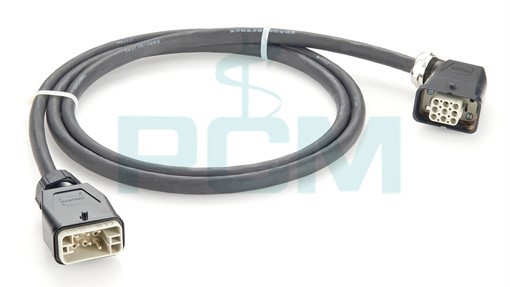
Shielded VFD Cable

CNC Spindle Cable

Spindle Extension Cable

VFD Cable Assembly VFD Spindle Cable