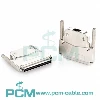
The difference and application between wiring terminals and terminal strips
In the electrical field, terminal blocks and terminal blocks are two common connecting components that play a crucial role in circuit connections and electrical equipment. Although they are all devices used to connect wires, there are some significant differences in design and functionality. This article will delve into the characteristics, uses, and roles of wiring terminals and terminal strips in circuits.
A terminal block is a device used to connect wires, usually made of insulating material, with a metal connection part. They are usually used for the connection of a single wire, securely connecting the wire to the circuit through screws, clips, or other fixing devices. Terminal blocks are widely used in household appliances, electronic devices, and various industrial applications.
Features:
Independent connection: Terminal blocks are usually used to connect a single wire separately. Each terminal is designed as an independent connection unit to ensure that wires do not come into direct contact, thereby preventing short circuits and other safety issues.
Simple installation: Installing wiring terminals is usually relatively simple and does not require professional tools. Usually, wires can be safely connected to terminals with just a screwdriver or other manual tool.
Suitable for small-scale connections: Terminal blocks are suitable for relatively small-scale electrical connections, such as single appliances or small circuit boards.
A terminal block is a long strip of equipment composed of multiple connection points, used to connect multiple wires or other electrical equipment. They typically have multiple channels, allowing users to connect multiple wires to the same terminal block. The design of terminal blocks is more suitable for large circuits and complex electrical systems.
Features:
Multi channel connection: Terminal strips typically have multiple connection points, allowing multiple wires to be connected to the same device. This makes terminal blocks very suitable for large circuits, allowing for more effective organization and connection of wires.
Modular design: Some terminal blocks have modular design, allowing users to freely add or remove connection modules as needed. This design provides greater flexibility, making circuit adjustment and maintenance more convenient.
Suitable for complex systems: Terminal strips are widely used in complex electrical systems, such as industrial control systems and power distribution systems. They provide effective methods to manage a large number of wires and connections.
Comparison of differences:
Connection quantity: Terminal blocks are mainly designed for the connection of a single wire, while terminal blocks are suitable for connecting multiple wires, with usually a large number of channels.
Scope of use: Terminal blocks are more suitable for small-scale connections, such as household appliances, while terminal blocks are more suitable for large-scale electrical systems, such as industrial control systems.
Installation and maintenance: Terminal blocks are usually easier to install and maintain, while terminal blocks may require more professional knowledge and tools for installation and maintenance, especially in complex electrical systems.
Space utilization: Due to the multi-channel design of terminal strips, they are more efficient in space utilization and can neatly organize and connect multiple wires.
Application case:
Terminal block application: Terminal blocks are commonly used in small electrical equipment such as household sockets, lamps, and switches. Due to its simple installation and maintenance, it has been widely used in households and small commercial applications.
Terminal strip application: Terminal strips are commonly used in large electrical systems such as industrial automation, power distribution cabinets, and control panels. The multi-channel design of the terminal block enables it to effectively connect and manage a large number of wires, making it suitable for complex electrical layouts.