In the installation of CNC spindle cables, proper strain relief can prevent the cable from being damaged during use. Here are the steps to achieve strain relief:
1. Choose the right cable length
Make sure the cable length is moderate, not too long or too short. Cables that are too long are prone to excessive tension during use, while cables that are too short can cause tension.
2. Use strain relief
Install strain relief at the cable connection. This can be a dedicated strain relief device, or some simple fixing methods, such as using cable ties, clamps or brackets to maintain the stability of the cable at the connection.
3. Fix the cable
Fix the cable to the machine tool or frame, ensuring that there is proper support in the cable connection and movement area. The fixing point should be appropriately away from the connector and moving parts to avoid tension on the cable during work.
4. Avoid sharp bends
During installation, ensure that the bending radius of the cable is not less than the minimum bending radius recommended by the manufacturer. Avoid sharp bends to reduce the risk of damage to the internal conductors of the cable.
5. Use sheath or pipe
Use sheath or pipe on the exposed part of the cable to protect the cable from mechanical wear and external environmental influences, and also provide additional support.
6. Regular inspection
Check the cable and its strain relief device regularly to ensure that there is no wear or damage. If any problems are found, replace or repair them in time.
Summary
By choosing the cable length reasonably, using strain relief devices and regular inspections, you can effectively extend the service life of CNC spindle cables and ensure the stable operation of the equipment. Proper strain relief can not only protect the cable, but also improve the overall performance and reliability of the system.

You May Also Like

Spindle Cable

VFD Cables
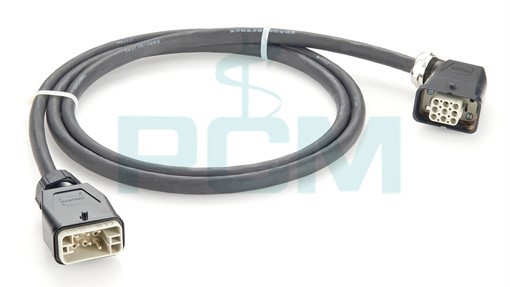
Shielded VFD Cable

CNC Spindle Cable

Spindle Extension Cable

VFD Cable Assembly VFD Spindle Cable