Introduction :
H-MTD female terminals supplied without a plastic housing are component level contacts used in cable harness production, connector assembly, and terminal replacement. They allow engineers and harness manufacturers to work with the metal contact parts separately from the molded connector body and its locking or sealing components.
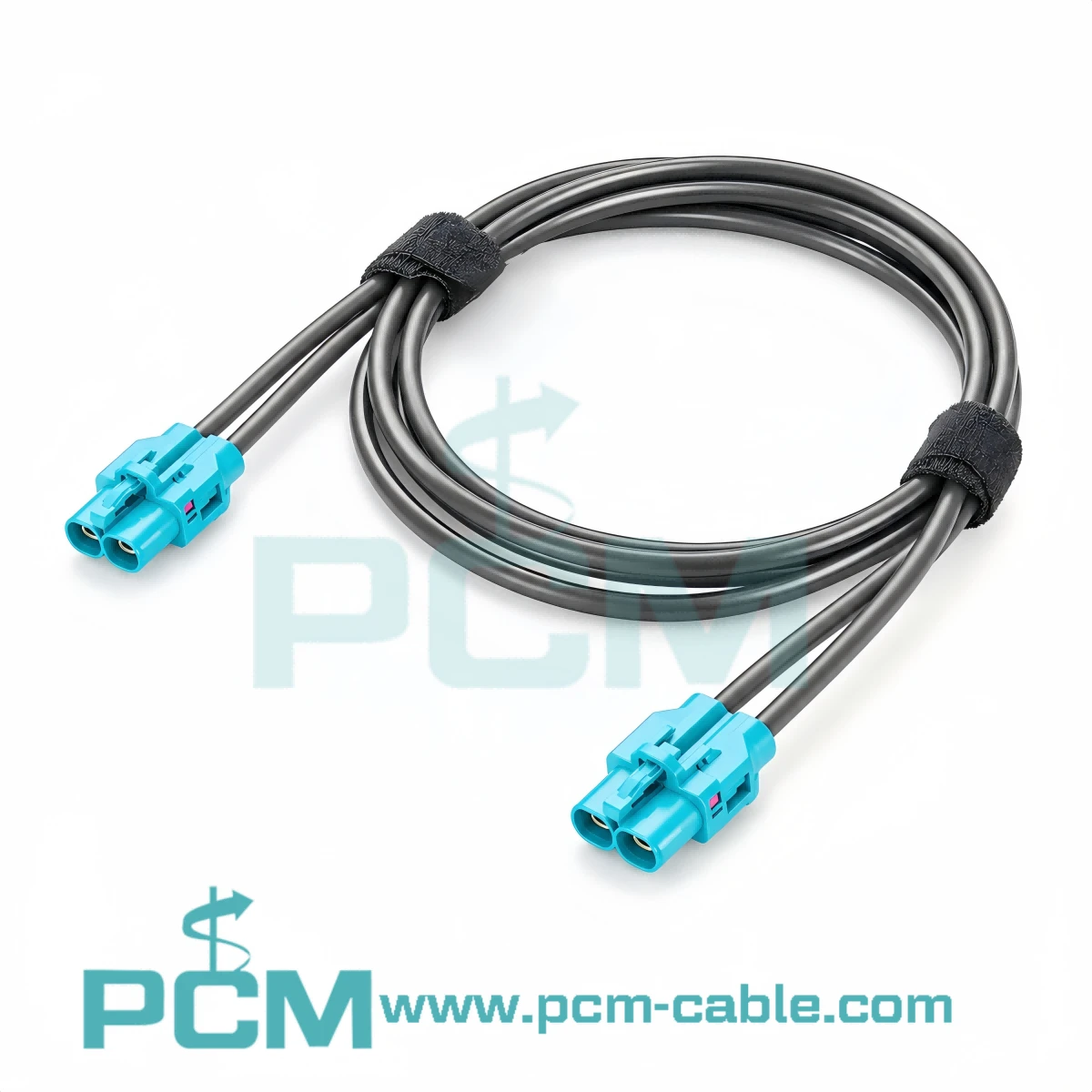
"Female to female" normally describes the completed cable assembly: both ends have female H-MTD interfaces. It does not mean that loose metal terminals form a complete connector or mate directly with each other. Each cable end still requires the compatible H-MTD receptacle housing and the other components specified for that design.
What Are H-MTD Female Metal Terminals ?
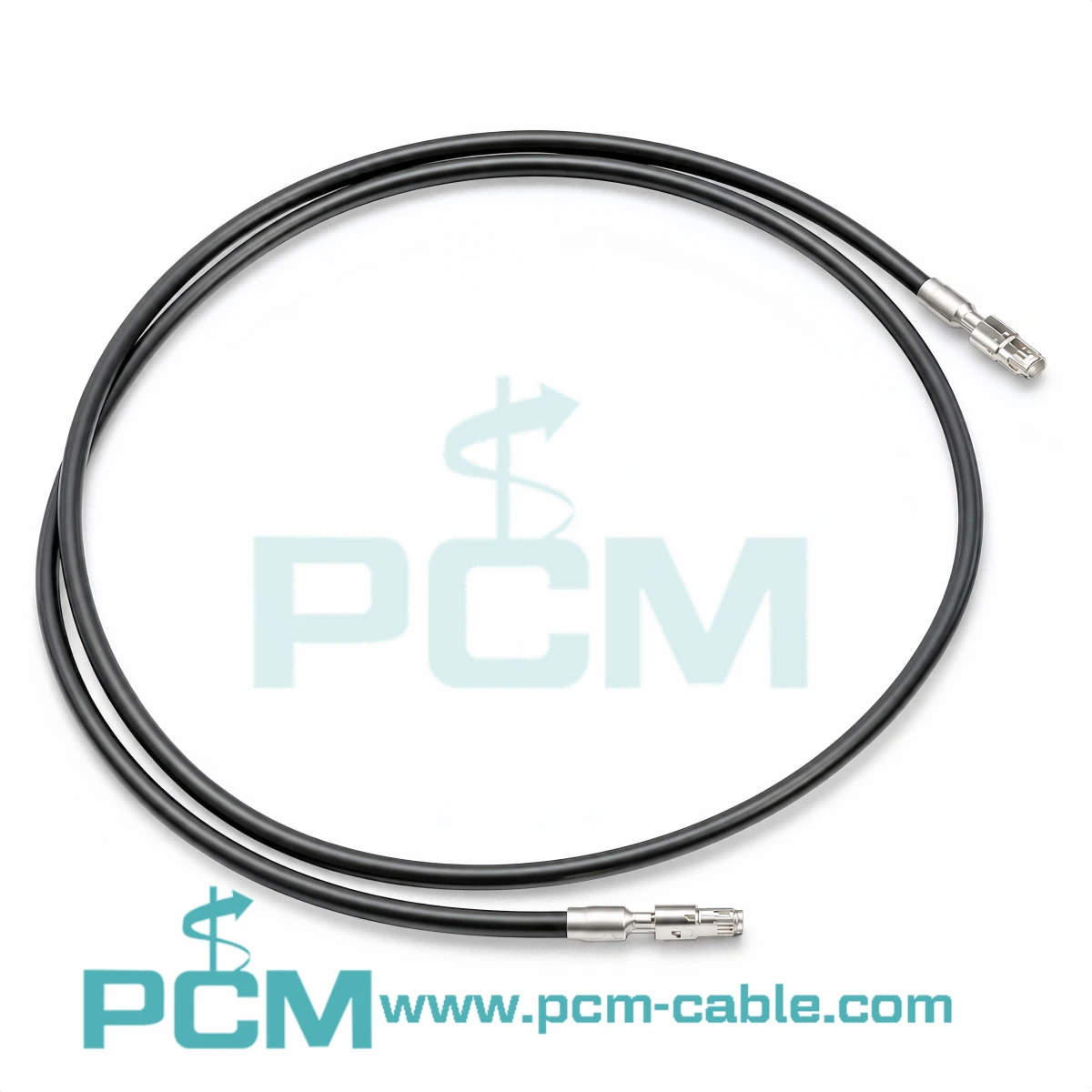
H-MTD (High-Speed Modular Twisted-Pair Data) is a connector system designed for high speed differential data links. It is widely used in automotive networks, as well as in applications such as camera systems, driver assistance systems, displays, and in vehicle infotainment systems.
In configurations without a housing, the product consists solely of metal female contacts. While these contacts provide the conductive mating interface and the termination point for the cable, they lack the mechanical protection, polarization (to prevent mis-mating), locking mechanisms, or environmental sealing typically provided by a complete connector housing. These functions must be implemented through the use of a compatible connector housing, along with any necessary secondary locks, end caps, seals, or other components.
How Do Engineers Use the Terminals
The terminals are typically used during cable harness production or connector repair. A controlled assembly process generally includes the following steps:
1. Confirm Contact and Cable Compatibility
Identify the correct H-MTD contact, cable type, conductor arrangement, and matching housing. Confirm cavity assignment and any required seals, caps, or secondary locks against the connector drawing.
2. Prepare and Terminate the Cable
Prepare the cable according to its specified construction, then terminate the conductors to the metal contacts using the specified crimping process and tooling. Correct conductor preparation and crimp quality are essential to a stable electrical connection. For high-speed differential links, maintain the cable pair geometry and shielding arrangement required by the design.

3. Load the Contacts into the Housing
Insert each terminated contact into its designated cavity in the compatible H-MTD housing. Contact orientation and insertion position must match the assembly drawing. The contact should engage the housing's primary retention feature. Install any secondary lock, cable seal, or cap in the specified sequence.
4. Inspect and Test the Assembly
Check contact position, retention, cavity assignment, and visible condition. Perform the electrical and functional checks required by the project; high speed data verification should follow applicable system and customer requirements.
Why is it necessary to use this type of terminal ?
Supplying metal contacts separately gives harness manufacturers more control over the final connector configuration.
Flexible harness production: Manufacturers can terminate the required cables and then load the contacts into the housing selected for the application. This supports custom cable lengths, routing layouts, and connector arrangements.
Modular connector design: H-MTD systems offer different housing configurations for different port arrangements. Separate contacts allow the harness design to be matched to the required housing and system layout instead of using a fixed, preassembled connector end.
Repair and replacement: If a contact is damaged during production or service, a compatible replacement may allow the affected termination to be rebuilt without replacing the entire cable assembly. This depends on the approved repair procedure and the condition of the housing and cable.
Custom H-MTD Cable Solutions from Premier Cable
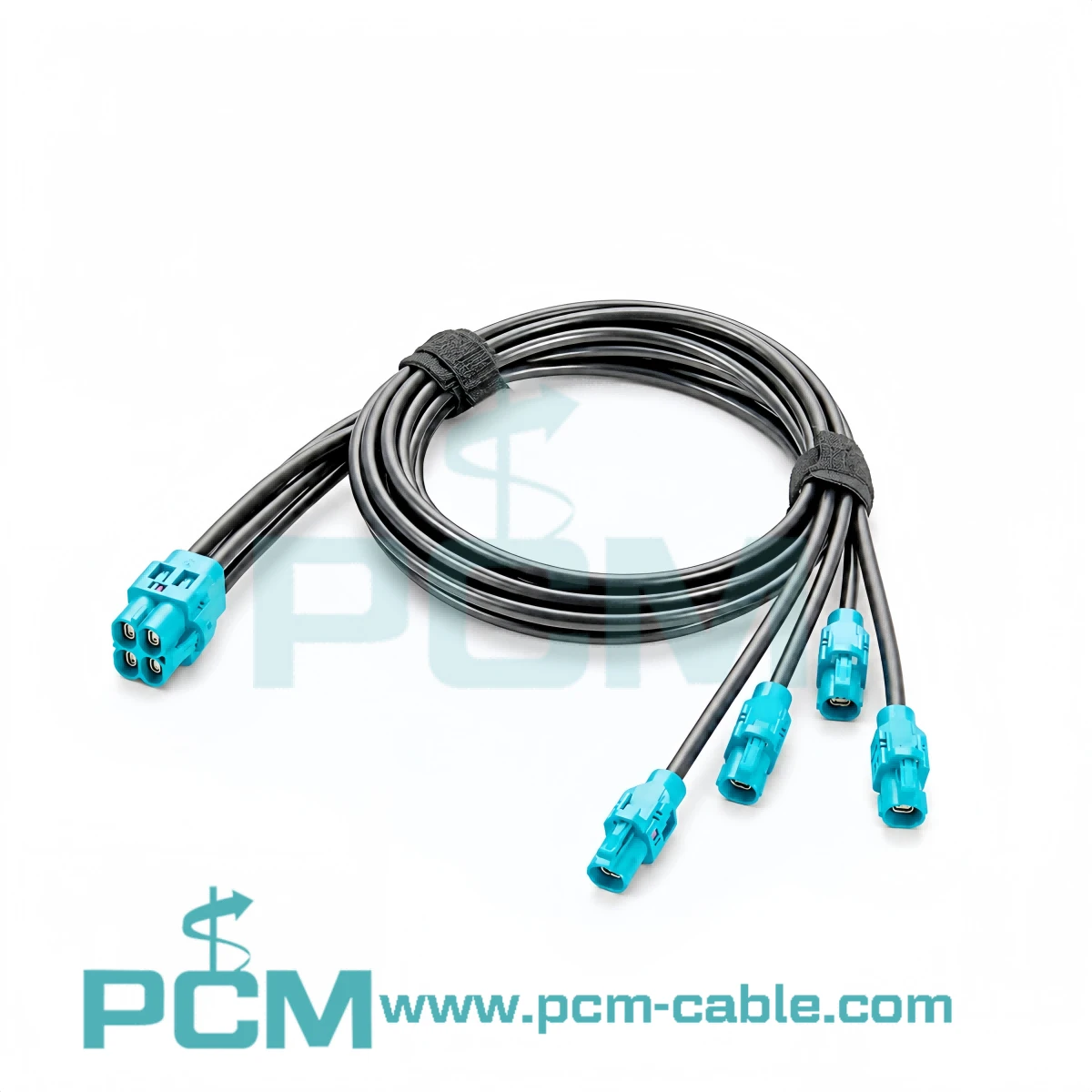
Premier Cable supports customized cable and connector solutions for OEM and harness manufacturing projects. Based on the application, our team can review the H-MTD interface, cable construction, cable length, connector configuration, and assembly details for a custom female to female cable assembly.
For a quotation or technical review, send us your drawing, sample, or target connector information. We can help clarify the required components and develop a cable configuration around your equipment and installation needs.