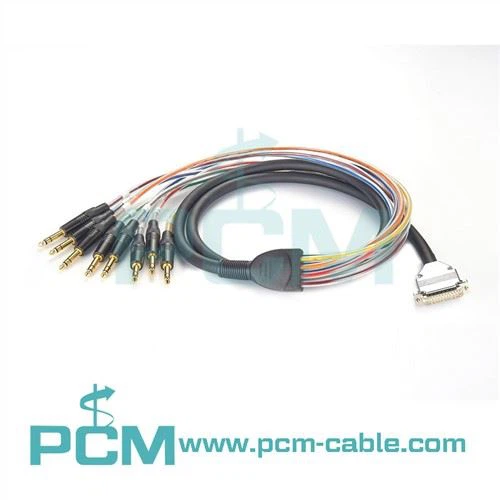
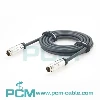
An XLR snake, also known as an XLR multicore or XLR multicore cable, is a useful tool for professionals who need to connect multiple XLR cables over a long distance. In this article, we'll explore why XLR snakes are important, their benefits, and how they're used in different applications.
First, it's important to understand what an XLR cable is and what it's used for. XLR cables are commonly used in the audio industry for microphones, speakers, and other audio equipment. These cables have three pins that are used to carry the audio signal, and they're designed to be rugged and reliable. XLR cables are preferred over other types of audio cables because they're less susceptible to interference and noise.
An XLR snake is essentially a bundle of XLR cables that are bound together in a single jacket or sheath. These snakes can range in length from just a few feet to several hundred feet. They're designed to make it easier to manage multiple XLR cables in a single setup, and they're commonly used in live sound and studio environments.
One of the main benefits of using an XLR snake is that it reduces clutter and simplifies cable management. Rather than having multiple XLR cables running from one location to another, an XLR snake allows you to run all the cables in a single bundle. This makes it easier to set up and tear down equipment, and it reduces the risk of cables becoming tangled or damaged.
Another benefit of using an XLR snake is that it can help to reduce the risk of interference and noise. When multiple cables are running close together, they can sometimes interfere with each other, leading to unwanted noise or hum. An XLR snake is designed to shield each cable from the others, reducing the risk of interference and improving the overall quality of the audio signal.
XLR snakes are also useful for connecting audio equipment over long distances. In live sound applications, for example, it's often necessary to run cables from the stage to the sound booth, which can be several hundred feet away. Running multiple XLR cables over that distance can be impractical and time-consuming. An XLR snake, on the other hand, can be easily run from the stage to the sound booth in a single setup, making it easier to manage and troubleshoot any issues that arise.
XLR snakes are commonly used in a variety of applications, including live sound, recording studios, and broadcast facilities. In live sound, an XLR snake is often used to connect microphones and other audio equipment on stage to the mixing console at the front of house. In recording studios, an XLR snake can be used to connect microphones and other equipment to the mixing console, allowing for a more streamlined setup. In broadcast facilities, XLR snakes are often used to connect audio equipment in different parts of the studio or to run audio signals from the studio to the control room.
When choosing an XLR snake, there are several factors to consider. First, you'll need to determine the length of the snake you need based on the distance you'll be running the cables. You'll also need to consider the number of channels you'll need. XLR snakes can range from just a few channels to dozens of channels, depending on your needs. Additionally, you'll want to consider the quality of the cables and connectors used in the snake, as well as the overall build quality of the snake itself.
In conclusion, an XLR snake is an important tool for professionals in the audio industry. It simplifies cable management, reduces the risk of interference and noise, and makes it easier to connect audio equipment over long distances. Whether you're working in live sound, recording studios, or broadcast facilities, an XLR snake can help you to achieve a more streamlined and efficient setup.