CAN (Controller Area Network) bus is a communication protocol used in modern cars to allow different electronic devices to communicate with each other. It was first developed in the 1980s by Bosch and is now widely used in almost all car manufacturers.
The number of CAN buses in a car varies depending on the make and model. Modern vehicles can have up to five or six CAN buses, each responsible for a different system. For example, a car might have a separate CAN bus for the engine management system, transmission system, ABS system, airbag system, and entertainment system.
The advantage of having multiple CAN buses is that it ensures that the electronic systems can communicate with each other without overloading a single bus. Each CAN bus has its own bandwidth, which means that data can be processed at a faster rate, reducing the time lag between the different systems.
Having multiple CAN buses also makes it easier to troubleshoot problems as the fault can be quickly identified to a particular system. This ultimately leads to better reliability and safety in cars.
In conclusion, CAN buses play an important role in modern cars, allowing different electronic devices to work together seamlessly. The increasing number of CAN buses in today's cars indicates the growing complexity and sophistication of vehicle systems. However, this development should be seen as a positive step towards safer and more efficient cars.

You May Also Like

OBD2 to DB9 Adapter Cable Assemblies

J1939 To DB9 Automotive Cable Harness
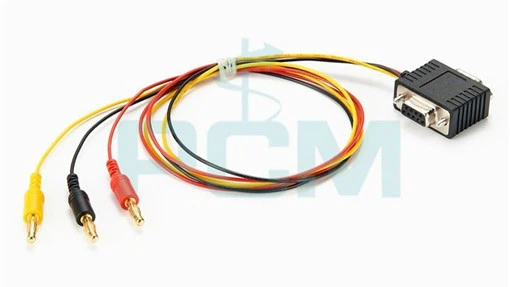
LIN Connection Cable

OBD to Micro Fit Vehicle Wire Harnesses

SHS Automotive Connector Harness

CAN Bus Termination Resistor