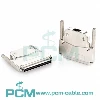
The cables used for POS machines play a crucial role in the commercial field, supporting smooth transactions, secure data transmission, and collaborative work of devices. By selecting appropriate cables, maintaining them regularly, and paying attention to the quality of the cables, merchants can ensure that their POS systems remain efficient and reliable in daily operations.
Therefore, when selecting POS machine cables, it is important to consider system requirements and cable quality in order to provide the best service and performance for your business. Although cables may seem small, they play an indispensable role in POS systems, ensuring the satisfaction of merchants and customers.
1、 Main cable types used for POS machines
POS machines use various types of cables, each with its unique purpose and function. The following are some common types of POS machine cables:
1. Power cord
The power cord is one of the basic cables of a POS machine, which is used to supply electrical energy to the POS terminal. Usually, these cables use standard power plugs and can be connected to AC power sockets or power adapters. The standardization of power cords makes them easy to replace or upgrade.
2. Data cable
The data cable is used to connect POS terminals and other devices, such as printers, barcode scanners, cash drawers, etc. There are various types of data cables, including USB, Ethernet, and Serial connection cables. The data cable plays a crucial role in transmitting data to and from the POS machine, ensuring the accuracy and reliability of transactions.
3. Network cable
For POS systems, network connectivity is crucial. POS machines typically use Ethernet cables to connect to the merchant's local area network (LAN) or internet for real-time transaction processing and data transmission. This enables merchants to manage inventory, accept online payments, and monitor sales data from headquarters or remote locations.
4. Printer cable
For POS systems that require printing sales receipts, a printer line is also essential. These cables are used to connect the POS terminal to the receipt printer, ensuring accurate transmission of sales information to the printer, in order to provide customers with receipts.
5. Barcode scanner cable
Merchants often use barcode scanners to quickly scan product barcodes to accelerate the checkout process. The barcode scanner line is used to transmit scanned information to the POS terminal, thereby recording sales and updating inventory.
6. Cash drawer line
The cash drawer cable is used to connect the POS terminal and cash drawer. It allows the POS system to open the cash drawer at the completion of the transaction in order to provide customers with change or store income.
2、 Important functions of cables
Each type of POS machine cable has its unique function, which helps to ensure the smooth operation of the POS system. The following are some important functions of cables:
1. Data transmission
The main function of data cables and network cables is to transmit transaction and sales data. They ensure that POS terminals can communicate with other devices such as scanners, printers, and inventory management systems, enabling real-time data synchronization and accurate sales records.
2. Power supply
The function of the power cord is to provide necessary electrical energy for the POS terminal. A stable power supply is the foundation for the normal operation of the POS system, ensuring the reliability and stability of the equipment.
3. Equipment connection
The cables used for POS machines are also used to connect various external devices, such as printers, scanners, and cash drawers. These cables ensure collaborative work between different devices, thereby improving the efficiency and functionality of the entire POS system.
4. Safety
The quality and safety of cables are crucial for the operation of POS systems. Unqualified or damaged cables may lead to data leakage or equipment failure, so it is crucial to choose appropriate cables and conduct regular maintenance.
5. Data Integrity
The quality and performance of data cables are crucial for ensuring the integrity and accuracy of data. Low quality cables may cause errors and interference in data transmission, which can have adverse effects on trading and inventory management.
3、 Selection and maintenance of cables
Choosing the appropriate cable is crucial for the performance of the POS system. Here are some suggestions:
1. Understand the POS system requirements
Before selecting cables, merchants should understand the specific requirements of their POS system. Different POS systems may require different types of cables, so it is important to choose the cables that are suitable for your system.
2. Quality and reliability
Choose high-quality cables to ensure their reliability and durability. Low quality cables may be easily damaged, leading to equipment failure or data loss.
3. Regular maintenance
Regular inspection and maintenance of cables are key to maintaining the smooth operation of the POS system. Ensuring that the cables are securely connected without damage or breakage can prevent future problems.
4. Replace aging cables
Over time, cables may age or wear, leading to a decrease in performance. Timely replacement of aging cables can prevent unnecessary faults and interruptions.