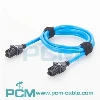
A wire-to-wire connector is a type of electrical connector designed to create a secure and reliable connection between two or more wires. It allows for the convenient joining or splicing of individual wires without the need for soldering or complex electrical terminations. These connectors are commonly used in a wide range of applications, including automotive, industrial, consumer electronics, telecommunications, and more.
The primary function of a wire-to-wire connector is to establish a secure electrical connection between two or more conductive wires. This connection ensures the proper transmission of electrical signals or power between different components or devices. The connector consists of two mating parts, each equipped with terminals or pins that grip the wires and create the connection when they are mated together.
Key Components of Wire-to-Wire Connectors:
Housing: The connector's housing is a protective shell that holds the terminals and provides mechanical support. It is typically made of insulating materials like plastic, ensuring that the conductive parts do not come into contact with each other or other external elements.
Terminals/Pins: These are metal components inside the housing that receive and hold the stripped ends of the wires. Terminals can come in various shapes, such as blades, sockets, pins, or crimp barrels. They are designed to maintain good electrical conductivity and a strong grip on the wires to prevent accidental disconnections.
Locking Mechanism: Many wire-to-wire connectors include a locking mechanism that securely holds the connector halves together once they are mated. This ensures that the connection remains stable even in high-vibration environments.
Insulation: The terminals inside the connector housing are often coated or insulated to prevent short circuits and protect against electrical shocks.
Advantages of Wire-to-Wire Connectors:
Time-saving: Wire-to-wire connectors eliminate the need for time-consuming and potentially hazardous soldering processes. They allow for quick and efficient connections, reducing assembly time and production costs.
Reusability: Unlike soldered connections, wire-to-wire connectors can be easily disconnected and reconnected multiple times without any damage, making them ideal for applications that require maintenance or component replacement.
Versatility: Wire-to-wire connectors come in various sizes, configurations, and current-carrying capacities, making them suitable for a wide range of applications.
Reliability: When properly installed, wire-to-wire connectors create a secure and reliable electrical connection that maintains good conductivity even under challenging environmental conditions.
Compact Design: These connectors are designed to be space-efficient, making them suitable for applications with limited space.
Applications of Wire-to-Wire Connectors:
Automotive: Wire-to-wire connectors are widely used in the automotive industry for connecting various components like lights, sensors, ignition systems, and more.
Consumer Electronics: They are used in household appliances, audio and video devices, and other consumer electronics for internal connections and peripherals.
Industrial Machinery: Wire-to-wire connectors are essential in industrial equipment and machinery for enabling connections in control panels, sensors, motors, and more.
Telecommunications: In the telecommunications industry, these connectors are used in devices like routers, switches, and communication modules.
Power Distribution: Wire-to-wire connectors are used for power distribution in various applications, including renewable energy systems and power distribution units.
In conclusion, wire-to-wire connectors play a vital role in modern electrical systems by providing a safe, efficient, and reliable means of connecting wires together. Their versatility, ease of use, and ability to maintain electrical integrity make them indispensable components in a wide range of industries and applications.