1, Electrical characteristics
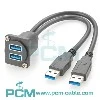
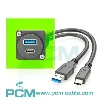
The USB (Universal Serial Bus) interface uses differential signal transmission for data, and its electrical characteristics include low voltage and low current. USB interfaces typically use a voltage of 5V and are limited to currents below 500mA, making them a low-power and easy to implement interface standard.
In contrast, the RS485 interface uses differential signals for data transmission, but its electrical characteristics are different from USB. The RS485 interface uses a higher voltage range, typically between -7V and+12V, which allows it to maintain signal stability during long-distance transmission. In addition, the RS485 interface also has higher anti-interference ability, which can maintain communication stability in environments with more electromagnetic interference.
2, Transmission speed
The transmission speed of USB interfaces is relatively fast, especially with the continuous upgrading of USB versions, the transmission speed has been significantly improved. The transmission speed of USB 2.0 can reach 480Mbps, while the transmission speeds of USB 3.0 and USB 3.1 are as high as 5Gbps and 10Gbps. This makes the USB interface an ideal choice for high-speed data transmission.
In contrast, the transmission speed of the RS485 interface is slower, usually between 10kbps and 10Mbps. Although the RS485 interface has a slower speed, its stability and reliability still give it advantages in certain specific application scenarios.
3, Transmission distance
The transmission distance of USB interfaces is relatively short, usually between a few meters to tens of meters. This is because the differential signal used by the USB interface is prone to attenuation and interference during long-distance transmission, thereby affecting communication quality.
The transmission distance of the RS485 interface is relatively long, reaching several hundred meters or even several kilometers. This makes the RS485 interface an ideal choice for applications that require long-distance communication, such as industrial automation, remote monitoring, etc.
4, Multi device connectivity
USB interfaces typically use a point-to-point connection method, where a USB host is connected to a USB device. This requires the use of additional USB hubs or switches when connecting multiple devices, increasing the complexity of the system.
On the contrary, the RS485 interface supports multiple device connections, allowing multiple devices to connect to the same RS485 interface through the same cable. This connection method not only simplifies wiring, but also reduces the cost and maintenance difficulty of the system.
5, Application scenarios
Due to the differences in electrical characteristics, transmission speed, transmission distance, and multi device connectivity between USB and RS485, they are suitable for different application scenarios. USB interfaces are widely used in the fields of personal computer peripherals, mobile device charging, and data transmission due to their high-speed transmission and convenient connection characteristics. The RS485 interface, on the other hand, has a wide range of applications in industrial automation, remote monitoring, building automation, and other fields due to its long-distance transmission and multi device connection capabilities.
In summary, USB and RS485 are two interface standards with different characteristics and advantages. When choosing which interface to use, it is necessary to comprehensively consider the specific application scenario and requirements.

Mar 06, 2024
Leave a message
USB and RS485: Differences and Characteristics of Interface Technology
Send Inquiry