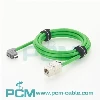
The use of jumper cables can significantly improve network performance, reliability, and security. However, they are not suitable solutions for every situation, so various factors need to be considered comprehensively when deciding whether to use jumper cables. In some cases, they can provide unparalleled advantages, while in others, standard cables may be sufficient. The most important thing is to understand your specific needs and choose the most suitable solution for your network. Regardless of your choice, ensure proper installation, maintenance, and testing to ensure that your network remains efficient and reliable at all times.
What is a jumper cable?
Before delving deeper into why you should use a jumper cable, let's first understand what a jumper cable is. Jumper cables, also known as compensation cables, transition cables, or interconnection cables, are cables used to connect different network devices, distribution frames, or terminals. They are typically used in data centers, enterprise networks, and telecommunications systems to ensure high-speed data transmission and signal stability.
The main function of jumper cables is to connect the differences between devices, which may include connector types, interface standards, cable lengths, and signal characteristics. They are usually composed of insulated conductors and protective sheaths to prevent external interference and cable damage.
Why should you use a jumper cable?
Now let's explore why you should consider using a jumper cable. Here are some main advantages of using jumper cables:
1. Improve network performance
Jumper cables can help eliminate signal attenuation and socket losses in the network. This means you can obtain a more reliable network connection, reducing latency and packet loss. This is crucial for applications and services that require high performance, such as online games, video conferencing, and large-scale data transmission.
2. Ensure device interconnection
When you need to connect different types of devices, jumper cables can become bridges. Different devices typically have different types of connectors and interfaces, and the use of jumper cables ensures that they can effectively communicate with each other. This is particularly important for data centers and enterprise networks, as they typically contain various types of devices.
3. Improve network reliability
Jumper cables can increase network reliability and reduce failures caused by connection issues. This is particularly important when you rely on the network to support critical business and services. Jumper cables can reduce the risk of disconnection and ensure that your network remains online at all times.
4. Adapt to different environments
Jumper cables can be used in different environments, including indoor and outdoor. They usually have waterproof, anti-interference, and durable characteristics, so they can work under various harsh conditions. This makes them ideal choices for telecommunications operators, industrial applications, and military departments.
5. Safety
Jumper cables can also improve network security. They can be used to isolate different parts of the network, thereby reducing the risk of unauthorized access and data leakage. This is crucial for protecting sensitive information and complying with security regulations.
When should jumper cables be used?
Although jumper cables have many advantages, they are not necessary in all cases. Here are some situations where you should consider using jumper cables:
1. Long distance connection
When you need to connect two devices with a distance exceeding the standard cable length limit, a jumper cable is an ideal solution. They can cover longer distances without compromising performance or signal quality.
2. Different connector types
If different types of connectors are used between your devices, jumper cables can help you connect them. This is particularly suitable for mixed device environments, where different devices use different standards.
3. High performance requirements
When you need to support high-performance applications or services such as video streaming, large file transfers, or virtual reality, bridging cables can ensure stable connections and low latency.
4. Data center and enterprise network
For large data centers and enterprise networks, using jumper cables is usually a good choice as they can improve the reliability and performance of the entire network.
5. Safety requirements
If you handle sensitive information or need to comply with specific security standards, jumper cables can help you isolate and protect critical parts of the network.
Although jumper cables have many advantages, they are not a suitable solution for every situation. When deciding whether to use jumper cables, you need to consider your specific needs, budget, and network architecture comprehensively.
Precautions for using jumper cables
If you decide to use a jumper cable, there are some considerations to consider:
1. Correct selection of cable type
Different applications require different types of jumper cables. Make sure to choose the cable type that suits your needs, including cable length, connector type, and signal characteristics.
2. Installation and Maintenance
The installation and maintenance of jumper cables require certain skills and tools. If you are not familiar with how to install them correctly, it is best to have professional personnel install them to avoid problems.
3. Routing and labeling
The routing and labeling of jumper cables are very important. Ensure that you have a clear understanding of what device each jumper cable is connected to, which will help with troubleshooting and maintenance.
4. Testing and Verification
Before putting the jumper cable into use, conduct testing and verification to ensure its normal operation. This will help reduce the risk of problems and malfunctions.