In modern IoT, industrial automation, and outdoor surveillance applications, communication reliability is one of the most critical factors determining system stability. Devices deployed in outdoor cabinets, poles, traffic infrastructure, remote stations, or harsh environments often face unstable network coverage, interference, or temporary carrier outages. When communication links fail, data transmission stops, remote monitoring is lost, and maintenance costs increase dramatically.
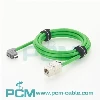
To address these challenges, more outdoor equipment manufacturers are adopting Dual SIM (dual-card) configurations, often paired with IP67 waterproof SIM card extenders that allow SIMs to be placed in protected, accessible locations outside the main device enclosure.
Below is a detailed comparison of Dual SIM vs Single SIM - and why dual-card redundancy is becoming the preferred choice for outdoor systems.

1. What's the Difference Between Single SIM and Dual SIM?
Single SIM
A device operates on one mobile network at a time.
If the carrier signal becomes weak or unavailable, the device loses connectivity until the network recovers.
Dual SIM
A device supports two SIM cards - either in auto-switching mode or manual selection.
When the primary network fails, the device can automatically switch to the secondary SIM, ensuring uninterrupted communication.
2. Why Outdoor Devices Benefit More from Dual SIM
2.1 Network Redundancy in Remote Locations
Outdoor environments often have unpredictable coverage.
Dual SIM provides immediate failover to a second carrier, preventing downtime caused by:
- Local signal dead zones
- Carrier maintenance or outage
- Seasonal or weather-related interference
- Temporary network congestion
This is essential for systems like outdoor routers, solar-powered sensors, security cameras, and traffic controllers.
2.2 Carrier Flexibility for Different Regions
In many deployment scenarios, one carrier may offer better coverage for upload, while another may excel in overall stability.
Dual SIM enables the device to choose the optimal network without hardware changes.
2.3 Lower Maintenance Costs
Sending technicians to remote areas to replace SIM cards or diagnose network failures is expensive.
With dual SIM backup:
- Devices stay online longer
- Fewer service visits are neededM
- aintenance becomes more predictable and cost-efficient
2.4 Better Performance for High-Availability Applications
Applications that cannot tolerate downtime - such as:
- Smart traffic systems
- Environmental monitoring
- Energy infrastructure
- Public safety networks
- Remote video surveillance
- benefit greatly from resilience provided by dual SIM failover.

3. Why Use an IP67 Waterproof Dual SIM Card Extender?
Outdoor equipment often requires sealed, rugged enclosures to prevent:
- Water ingress
- Dust accumulation
- Corrosion
- Temperature stress
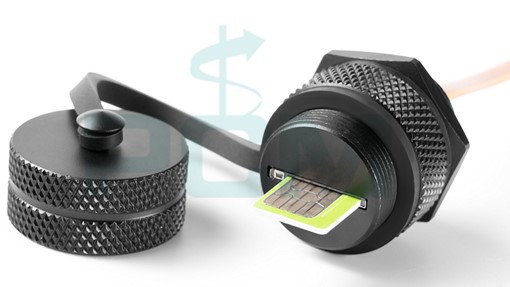
Using a Dual SIM Card Extender (IP67 waterproof) allows the device's SIM cards to be placed outside the main electronics compartment while still protected from environmental elements.
Benefits include:
- Quick SIM replacement without opening the device
- Better heat isolation, keeping SIMs at stable temperature
- Reduced risk of water damage
- Convenient carrier switching for maintenance teams
- Improved sealing of the main device enclosure
This design is especially common in outdoor routers, gateways, cellular modems, and base-station controllers.
4. Typical Use Cases for Dual SIM in Outdoor Systems
- Smart city devices
- Remote monitoring stations
- Outdoor cellular routers
- Environmental sensors
- Energy and utility cabinets
- Digital signage and kiosks
- CCTV / IP surveillance systems
- Renewable energy systems (solar, wind)
These devices often operate 24/7 and demand stable connectivity - making dual SIM redundancy essential.

You May Also Like
IP67 Micro Sim Card Extender

IP67 Mini Sim Card Extender

IP67 Nano Sim Card Extender

IP67 Micro SD Card TF Card Slot Extender

IP67 3-in-1 SIM Card TF Card & USB C

IP67 Waterproof Dual Nano SIM Card Extender