1, The basic structure and types of USB interfaces
USB interface, also known as Universal Serial Bus, is an interface standard used to connect computers and external devices. The USB interface consists of a plug, socket, and cable. Plug types are usually divided into Type A and Type B, with Type A plug (i.e. male) being the most common type widely used in various USB devices.
USB interfaces can be divided into multiple versions based on their speed and functionality, including USB 1.0, USB 2.0, USB 3.0, etc. These different versions of USB interfaces have slight differences in physical structure and electrical characteristics, but their basic working principles are the same.
2, Feasibility of USB male to male connection
When it comes to the feasibility of USB male to male connection, we need to first understand the design intention of the USB interface. The initial design of the USB interface was to achieve one-way communication between computers and external devices, that is, data flows from the device to the computer or from the computer to the device. Therefore, in the standard USB interface design, there is no direct support for male to male connection.
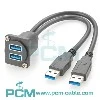
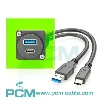
However, with the development of technology and the increase in demand, there have indeed been some products in the market that can achieve USB male to male connection. These products typically use special circuit designs to achieve communication between two USB pins through internal bridging. These products can meet some special application scenario requirements, such as connecting two USB devices for data exchange or expanding the number of USB interfaces.
3, Application scenarios for USB male to male connection
Although USB male to male connection is not a standard feature of USB interfaces, it does have some unique advantages and application scenarios in practical applications. Here are some possible application scenarios:
Data exchange: In some cases, we may need to directly connect two USB devices to achieve data exchange. At this point, using a USB male to male connection cable can easily connect two devices without the need for a computer to transfer them.
Expanding the number of USB interfaces: For some devices with fewer USB interfaces, using a USB male to male connector cable can easily expand the number of USB interfaces, thereby meeting the connection needs of more devices.
Special device connection: Some special devices may require the use of a USB male to male connector cable for connection. For example, certain audio or professional devices may require the use of special USB cables to achieve specific functionality or performance requirements.
4, Precautions for using USB male to male connections
Although USB male to male connections have unique advantages in certain scenarios, the following precautions should also be taken during use:
Compatibility: Due to the special circuit design used for USB male to male connectors, it is necessary to ensure compatibility with the device being used before use.
Stability: Due to the design of internal bridging circuits involved in the USB male to male connection line, its stability may not be as good as standard USB connection lines. During use, it is important to avoid frequent plugging or excessive bending to avoid affecting its lifespan and stability.
Security: When using the USB male to male connection cable, attention should be paid to security issues. Avoid touching exposed wires or metal parts during the connection process to avoid dangerous situations such as electric shock.

May 27, 2024
Leave a message
Can I connect a USB male to a male?
Send Inquiry