Introduction :
Automotive USB Type-C connectors and standard USB-C connectors share the same basic reversible interface, but they serve different installation environments. A connector designed for consumer electronics is not automatically suitable for integration into a vehicle's electrical system.
The main differences involve mechanical design, connector retention, housing configuration, wiring integration, and environmental requirements. Understanding these differences helps automotive engineers and cable assembly manufacturers select the right USB-C connector for infotainment systems, charging interfaces, diagnostic equipment, and in vehicle data connections.
What Is an Automotive USB Type-C Connector ?
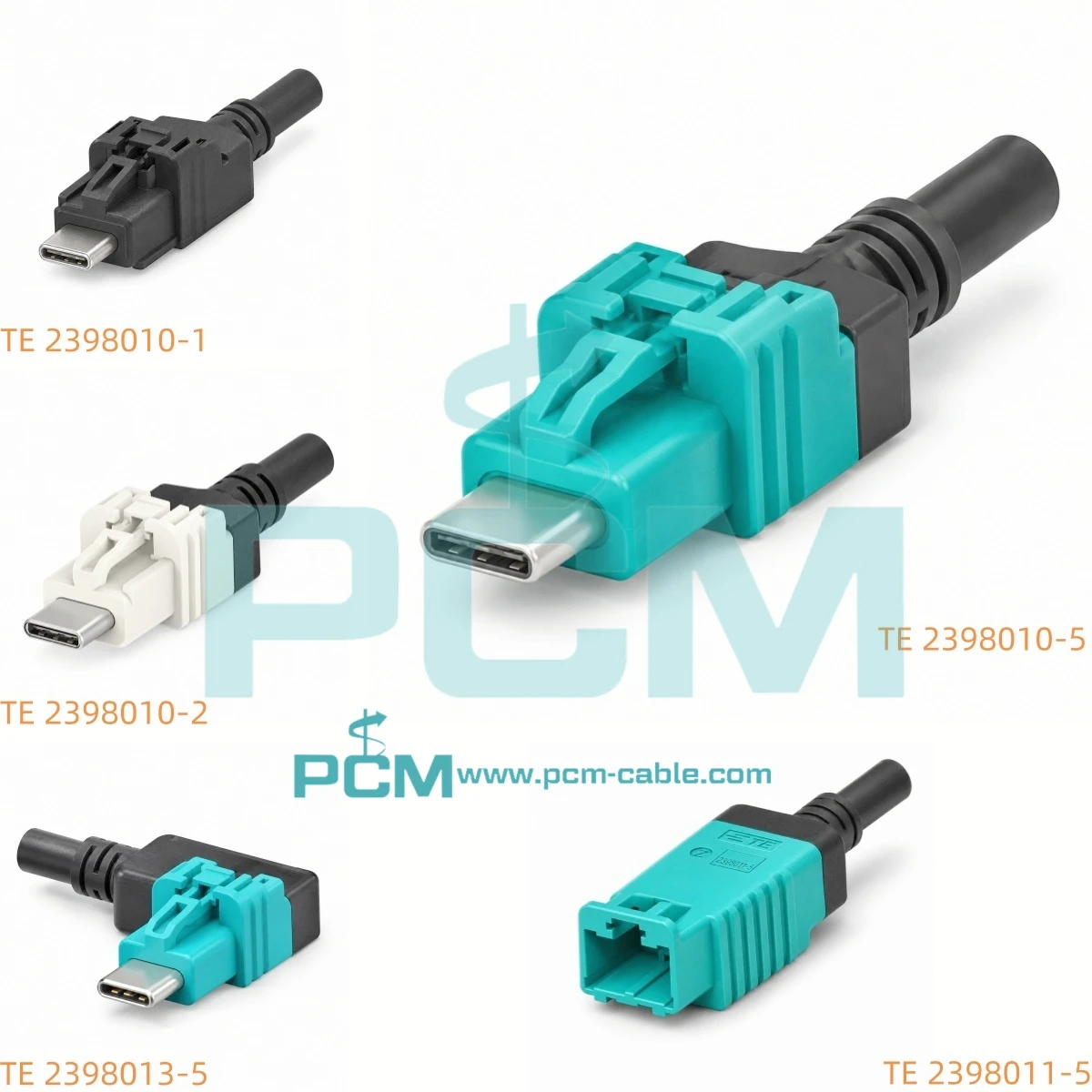
An automotive USB Type-C connector is designed for integration into vehicle electronic systems, where mechanical stability, reliable connections, and compatibility with automotive wiring assemblies are important.
Unlike many standard USB-C connectors used in computers and mobile devices, automotive connector designs may incorporate application specific housings, terminal arrangements, and mechanical keying features.
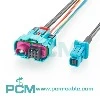
A representative example is the TE Connectivity 2398010 Series, an automotive USB Type-C male plug assembly. This product family illustrates how automotive USB-C connectors can use application specific mechanical configurations while retaining the familiar USB Type-C interface.
Automotive USB-C vs Standard USB-C: Key Differences
1. Mechanical Structure and Connector Retention
Standard USB-C connectors prioritize compact size and convenient insertion. Automotive versions must also withstand vehicle vibration, shock, and mechanical stress. For example, TE 2398010 is a wire to cable connector assembly designed for automotive cable integration, rather than a conventional PCB-mounted USB-C receptacle.
2. Housing Design and Mechanical Coding
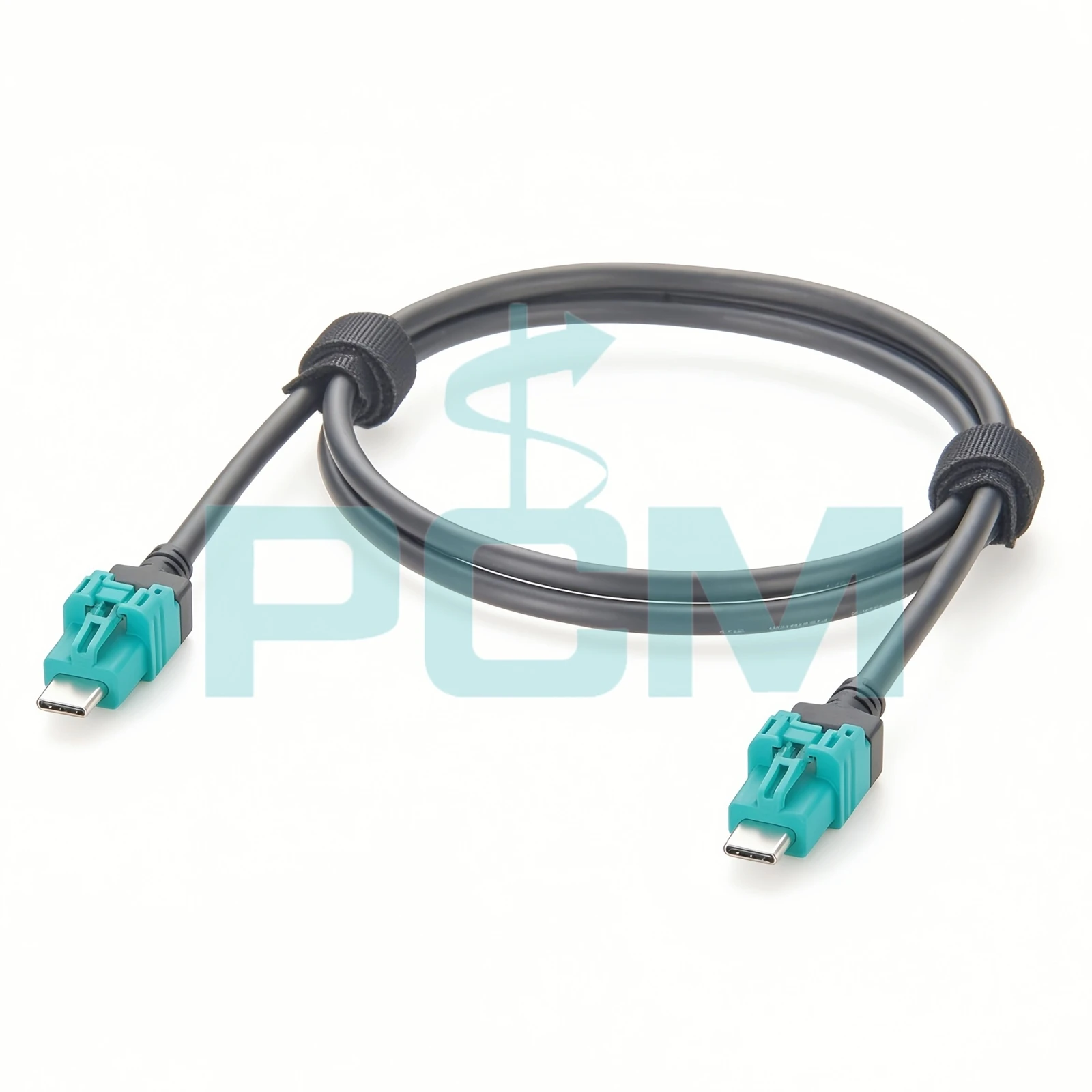
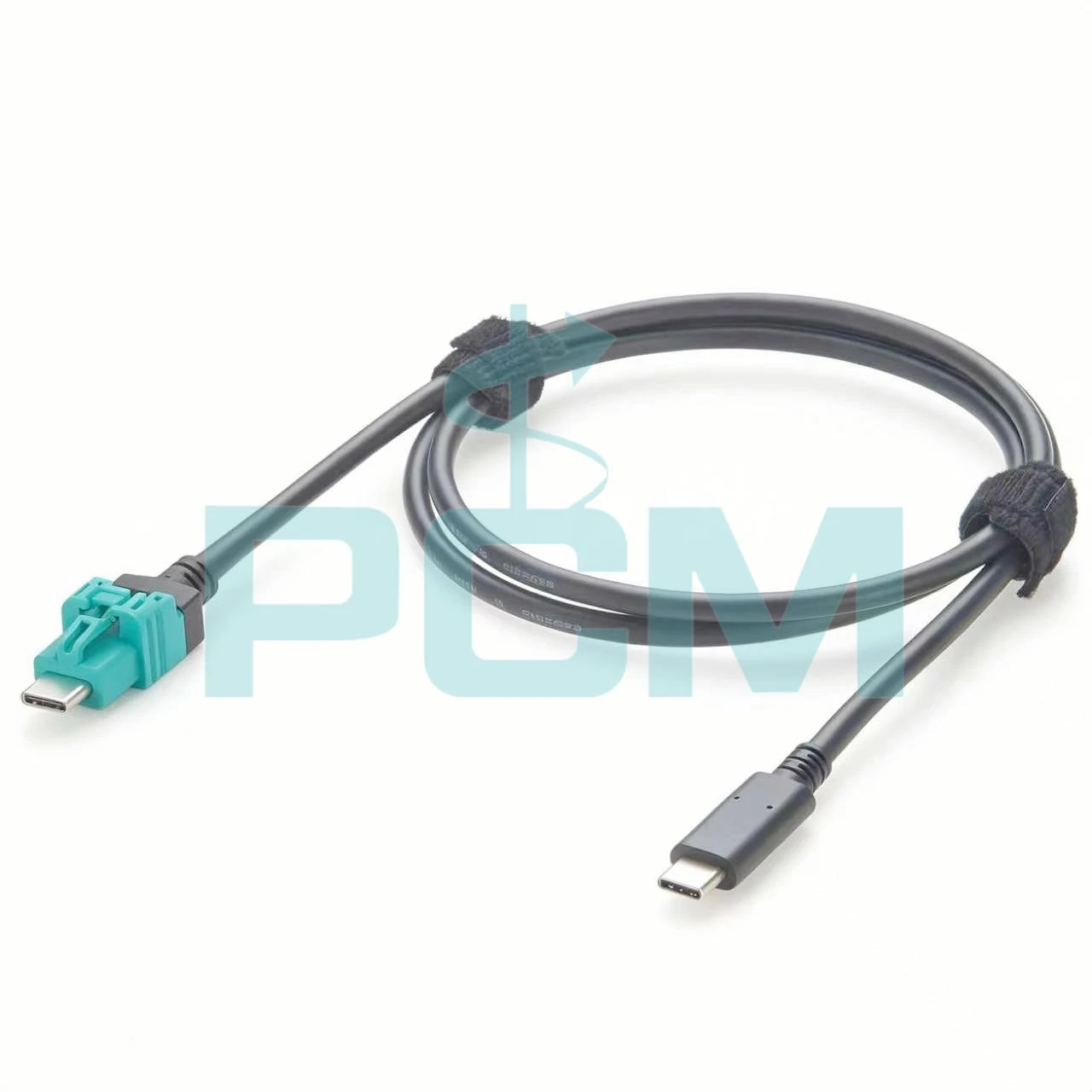
Standard USB-C connectors use a common reversible mating interface. Automotive designs may incorporate additional coding to prevent incorrect connections. The TE 2398010 series offers A, B, C, D and Z coding variants. Engineers should verify the matching connector and pin assignment before selecting a compatible assembly.
3. Environmental Requirements
Automotive connectors must account for temperature variations, vibration, dust, moisture, and electromagnetic interference. Protection depends on the complete installation design. For example, TE 2398010 is non sealable, so additional protection may be required in moisture exposed applications.
4. Cable Assembly and Installation
Automotive USB-C cable assemblies often require application specific configurations, including:
- Customized cable lengths and routing.
- Straight or right angle connectors.
- Shielded cable construction.
- Different coding options.
The complete cable assembly should be evaluated according to installation requirements, not connector appearance alone.
How to Choose the Right Automotive USB-C Connector
When comparing automotive USB-C connectors with standard USB-C products, engineers should evaluate the following factors:
| Selection Factor | What to Check |
| Connector Type | Plug, receptacle, and mating configuration |
| Coding | A, B, Z, or other specified coding |
| USB Version | Required data transmission specification |
| Mechanical Design | Vertical, right angle, or other configuration |
| Environmental Protection | Sealing, moisture, dust, and temperature requirements |
| Cable Construction | Shielding, conductor arrangement, and jacket material |
| Electrical Performance | Impedance, attenuation, and signal integrity |
For the TE 2398010 family, engineers should confirm the exact suffix, mating connector, terminal arrangement, and product drawing before finalizing a cable assembly design.
Premier Cable Finished Product Showcase
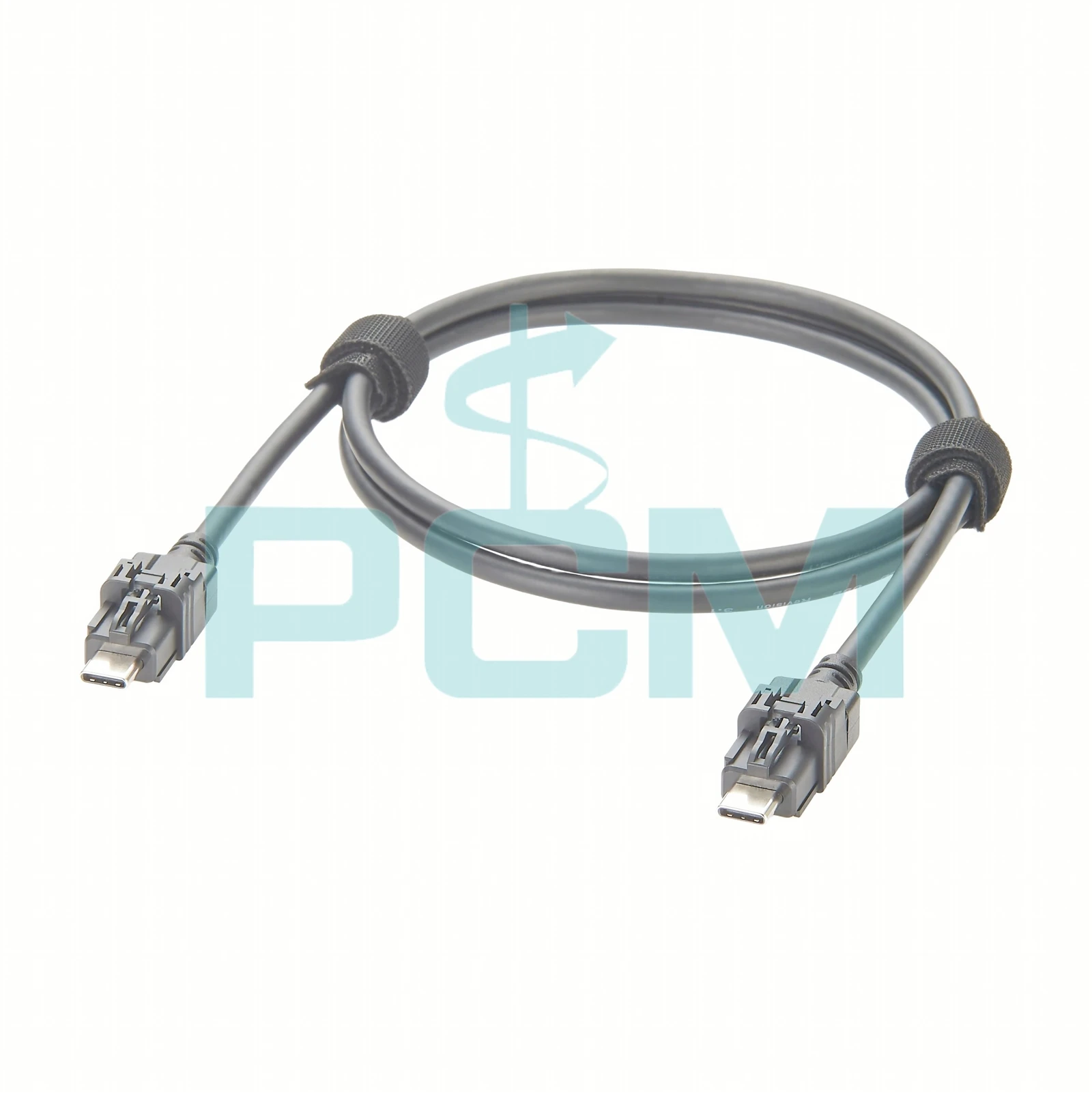
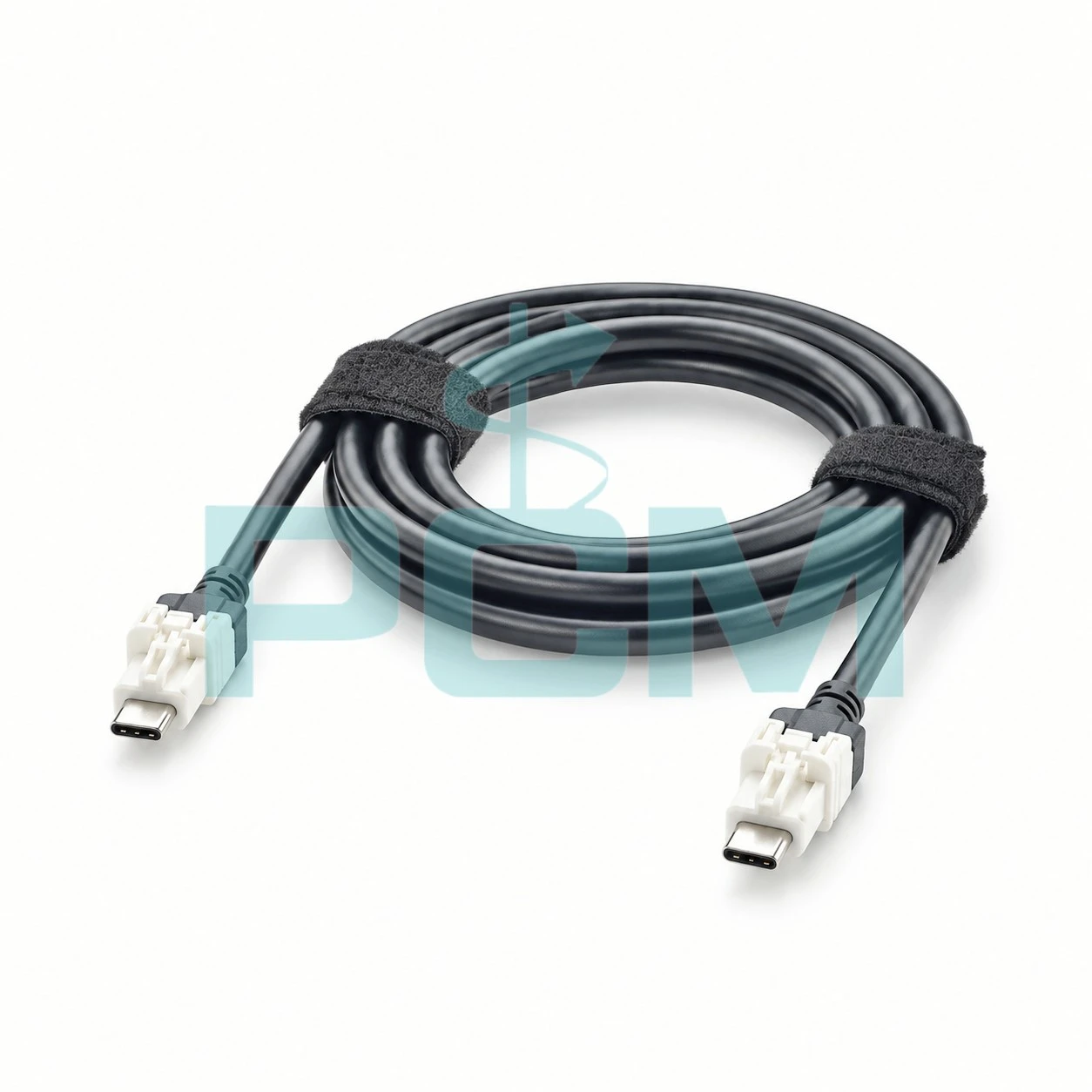
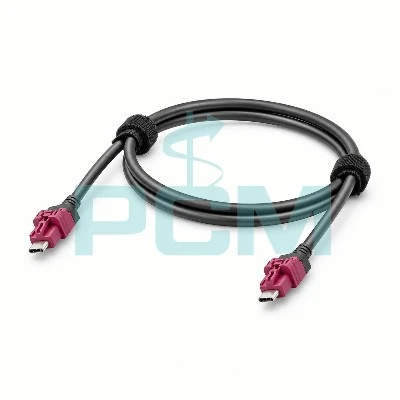
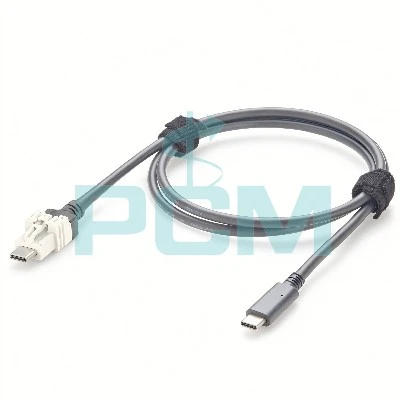
Custom Automotive USB Type-C Cable Assemblies from Premier Cable
Selecting an appropriate automotive USB-C connector is only one part of the design process. Cable construction, termination quality, shielding, and mechanical integration also affect the performance of the complete assembly.
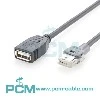
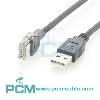
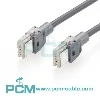
Premier Cable provides customized cable assembly solutions using automotive USB Type-C connector designs, including TE Connectivity 2398010 compatible configurations. Depending on project requirements, customized assemblies can be developed around cable length, connector orientation, coding configuration, shielding construction, and mating interface.
For automotive manufacturers, electronic module suppliers, and cable assembly distributors, confirming the connector specification and complete wiring requirements at the design stage helps reduce compatibility issues during integration.
Contact Premier Cable to discuss your automotive USB Type-C cable assembly requirements, including TE 2398010 connector configurations and customized cable designs.