

If you're working with stage lighting or audio equipment, you've probably noticed that DMX cables and XLR cables look nearly identical. They both use 3-pin or 5-pin XLR connectors - but are they really the same?
The short answer is: No, DMX and XLR cables are not the same, even though they may physically look similar.
DMX Cables vs. XLR Cables – Key Differences
| Feature | DMX Cable | XLR Cable |
|---|---|---|
| Purpose | Transmits digital DMX512 signals | Transmits analog audio signals |
| Impedance | 120 Ohms (required for proper DMX operation) | Typically 75 Ohms (or unregulated) |
| Shielding | Heavier shielding for data integrity | Lighter shielding, designed for audio |
| Cable Quality | Designed for high-frequency digital signals | Optimized for low-frequency audio |

Can You Use XLR Cables for DMX Lighting?
Technically yes - but not recommended.
Using a regular XLR microphone cable in place of a DMX cable may work over short distances, but it can cause:
- Flickering or erratic lighting behavior
- Data transmission errors
- Signal degradation over longer cable runs
To ensure reliable performance, always use true 120-ohm DMX cables for your lighting control system.
How to Tell the Difference
- DMX cables are usually labeled "DMX512" and specify 120 Ohm impedance.
- Audio XLR cables don't mention impedance and are often more flexible with thinner shielding.
You May Also Like
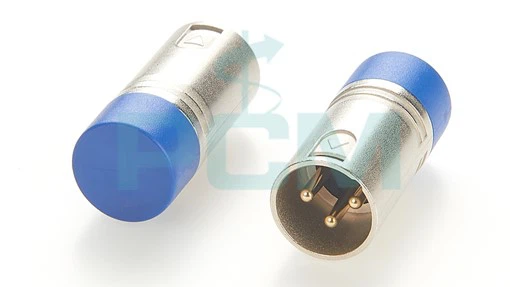
3 Pin DMX Termination Resistor
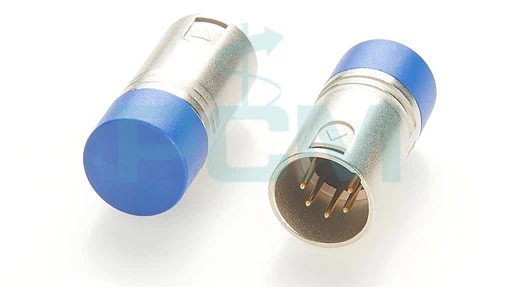
DMX Termination Resistor - 120 Ohm

USB to DMX512 Interface Cable

XLR DMX To Screw Terminal Adapter

DMX To Terminal Adapter For DMX System

Microphone Cables


