The NMEA 2000 cable standard is a communication protocol widely used in marine and boating industries for data exchange between various electronic devices on a vessel. NMEA stands for National Marine Electronics Association, an organization that develops and maintains standards for marine electronics.
The NMEA 2000 standard defines a network architecture and physical specifications for connecting different marine electronic devices together. It enables seamless communication and data sharing between devices such as chartplotters, GPS receivers, depth sounders, autopilots, instruments, and more.
Here are some key features and characteristics of the NMEA 2000 cable standard:
Physical Cable: NMEA 2000 cables use a backbone-drop topology, where a main backbone cable connects all the devices on the network. Drop cables are used to connect individual devices to the backbone. The cables are typically round and shielded to protect against electrical interference and water intrusion. They come in various lengths to accommodate different installations.
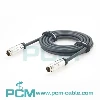
Connectors: The NMEA 2000 standard uses a specific type of connector known as the DeviceNet Micro-C connector. This connector has a 5-pin design and is rugged and waterproof, making it suitable for marine environments. It provides a secure and reliable connection between devices.
Power Distribution: The NMEA 2000 standard incorporates a power distribution system within the network. The backbone cable carries both data and power, eliminating the need for separate power cables to individual devices. This simplifies installation and reduces cable clutter.
Data Transmission: NMEA 2000 utilizes a robust and reliable data transmission protocol based on a Controller Area Network (CAN) bus. The CAN bus allows for high-speed data transfer and supports multiple devices on the network. It uses a priority-based messaging system, ensuring critical data is transmitted promptly.
Plug-and-Play Compatibility: NMEA 2000 devices are designed to be plug-and-play compatible, meaning they can be easily connected to the network without complex configuration. When a new device is added to the network, it is automatically recognized and integrated into the system, allowing for easy expansion and integration of new equipment.
Data Types: The NMEA 2000 standard supports a wide range of data types related to marine and navigation information. This includes GPS data, speed, depth, temperature, wind direction, engine parameters, fuel levels, and more. The standardized data format ensures compatibility between different devices, regardless of the manufacturer.
Network Size: The NMEA 2000 standard supports networks with a large number of devices. A single network can accommodate up to 50 devices, including sensors, displays, and control units. If additional devices are required, multiple networks can be interconnected.
Industry-wide Adoption: The NMEA 2000 standard has gained significant industry-wide adoption, making it a de facto standard for marine electronics. Many manufacturers produce devices that are compatible with the NMEA 2000 standard, allowing for interoperability and integration across different brands.
Overall, the NMEA 2000 cable standard provides a reliable and standardized communication platform for marine electronics. It simplifies the installation process, enables seamless data exchange between devices, and enhances the functionality and interoperability of marine systems.