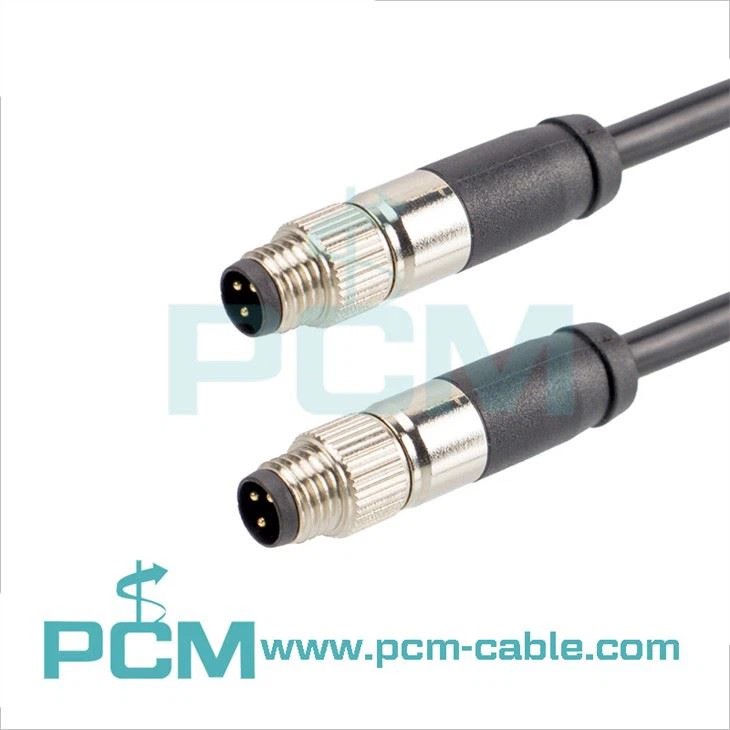
There are some differences between aviation connectors and industrial connectors in design and use, mainly including the following aspects:
Environmental adaptability: Aviation connectors usually need to work in harsh environments, such as high altitude, high temperature, low temperature, high humidity and other conditions. Therefore, the design of the aviation connector needs to have high environmental adaptability to ensure normal operation in various harsh environments.
Protection level: Aviation connectors usually need to have a higher protection level to prevent dust, water, oil and other external substances from entering the connector, causing short circuits or other failures. Industrial connectors usually need to meet the corresponding protection level, but compared with aviation connectors, the requirements may not be so high.
Size and weight: Since the volume and weight of aviation equipment such as airplanes and spacecraft need to be controlled within a certain range, the design of aviation connectors usually takes into account the factors of size and weight, and strives to be as small and light as possible.
Anti-interference ability: Aviation connectors may be affected by electromagnetic radiation, electrostatic interference and other factors during use, so they need to have high anti-interference ability to effectively avoid the impact of these interferences on the system.
Safety: Since safety is a very important consideration in the use of aviation equipment, the design of aviation connectors needs to take into account safety issues, such as fire prevention and explosion protection.
In short, there are some differences between the design and use of aviation connectors and industrial connectors. These differences are mainly reflected in environmental adaptability, protection level, size and weight, anti-interference ability and safety.