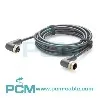
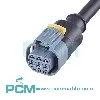
A bidirectional V-CAN (Vehicle CAN, Vehicle Controller Area Network) to NMEA 2000 converter is a device typically used to connect a CAN bus system on a vehicle (such as a CAN bus on a car, truck, agricultural machinery, or construction equipment) to NMEA 2000 network on the ship to enable two-way communication and data sharing between vehicle and ship data. Such converters usually have the following features and functions:
CAN to NMEA 2000 conversion: The converter converts data from the CAN bus on the vehicle into NMEA 2000 formatted data so that it can be understood and used by NMEA 2000 equipment on the vessel.
NMEA 2000 to CAN conversion: It can also convert NMEA 2000 data into a format understood by the vehicle’s CAN bus, allowing systems on the vehicle to read and use the data on the vessel.
Data Adaptation: Converters often include data adaptation capabilities to ensure that data from disparate systems is correctly matched and mapped into NMEA 2000 data structures.
Supports multiple data types: These converters typically support multiple data types, including position, speed, heading, depth, temperature, oil pressure, engine data, and more.
Power supply: They usually require a power supply to function properly, which usually comes from the vehicle or ship's power system.
Configuration and Setup: Some converters allow users to configure and set data mapping and conversion rules to meet specific application needs.
Monitoring and Diagnostics: Some converters have monitoring and diagnostics features to help users track the status and performance of data transfers and perform troubleshooting.
Data filtering: Some converters allow users to set data filters to select specific data types to be forwarded or converted to reduce network traffic and increase efficiency.