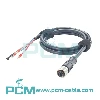
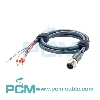
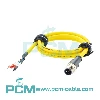
The cables used for LED lights are a crucial component to ensure their normal and safe operation. Proper selection and installation of cables can not only improve the performance and lifespan of LED lights, but also reduce potential safety risks. This article will delve into the cable types, selection standards, and installation considerations required for LED lights.
Cable type
The type of cable required for LED lights can be selected based on different applications and environmental conditions. The following are several common cable types:
Low voltage cable (LV cable): used to connect low voltage LED lights, such as home lighting, office lighting, etc. These cables typically use insulation materials such as PVC (polyvinyl chloride), which have good durability and insulation performance.
High voltage cable (HV cable): used to connect high-power LED lights, such as street lighting, industrial lighting, etc. These cables require higher insulation performance and high voltage resistance, typically using stronger insulation materials such as XLPE (cross-linked polyethylene).
Waterproof cable: Suitable for LED lights in outdoor and humid environments, it needs to have waterproof performance to prevent cable damage from moisture. These cables typically use special waterproof insulation materials, such as TPU (thermoplastic polyurethane).
Shielded cables: In situations where anti-interference performance is required, such as industrial environments or high-frequency applications, LED lights may need to use shielded cables to reduce the impact of electromagnetic interference on signal transmission.
Selection criteria
Choosing the appropriate cable type and specification is crucial for the normal operation of LED lights. Here are some key criteria for selecting cables:
Voltage and power: Select the cable type based on the voltage and power requirements of the LED lamp. High power LED lights typically require larger cross-sectional cables to carry current.
Environmental conditions: Consider the installation location of LED lights and whether they are exposed to special environments such as high temperature, humidity, corrosion, etc. Select cables with corresponding characteristics, such as high temperature resistance, waterproofing, etc.
Cable length: Cable length has an impact on voltage drop and signal transmission. Long cables may require larger cross-sectional wires to reduce voltage drop.
Insulation performance: The cables of LED lights should have good insulation performance to prevent leakage and risk of electric shock.
Wear resistance: If the cable is exposed to mechanical wear, choose a cable with wear resistance to extend its service life.
Electromagnetic interference: In situations where anti-interference performance is required, selecting shielded cables can effectively reduce electromagnetic interference.
Installation precautions
Correct cable installation can ensure the normal operation and safe operation of LED lights. Here are some precautions for cable installation:
Proper protection: Ensure that cables are properly protected from mechanical damage or external environmental influences. Cable trays, cable clamps, etc. can be used to secure and protect cables.
Avoid bending: Avoid excessive bending of the cable to avoid damage to the insulation layer or wires. Use appropriate bending radii to maintain the integrity of the cable.
Correct connection: Ensure that the cable connection is firm and reliable, and avoid safety hazards such as unstable current or fire caused by looseness.
Separate cables: During installation, maintain sufficient distance from other cables and equipment to avoid mutual interference or electromagnetic interference.
Waterproof measures: For LED lights in outdoor or humid environments, ensure that the cable connections have waterproof performance to prevent short circuits or faults caused by cable moisture.
In summary, the cable selection and installation of LED lights is a crucial step in ensuring their performance and safety. Select appropriate cable types and specifications based on factors such as voltage, power, and environmental conditions of LED lights, and pay attention to details such as protection, connection, and waterproofing during installation to ensure that LED lights can operate stably for a long time and achieve optimal results.