Introduction :
NMEA 2000 cables and connectors provide the physical connections that allow compatible marine electronic devices to communicate over a shared network. They connect navigation instruments, engine monitoring systems, sensors, and other onboard equipment through a common network backbone.
Using the correct cables and connectors helps simplify equipment integration, organize onboard wiring, and maintain reliable data communication. For marine equipment manufacturers, system integrators, and installation suppliers, understanding these components is essential when designing or expanding an NMEA 2000 network.
What Is NMEA 2000 and How Does It Work?
NMEA 2000 is a standardized marine communication network based on CAN bus technology. It allows compatible electronic devices to exchange navigation, engine, and vessel information through a shared communication system.
Common equipment includes GPS receivers, chartplotters, fish finders, marine radar systems, autopilots, and engine monitoring displays.
Instead of connecting every device directly to another, an NMEA 2000 network uses a central backbone with individual connections to supported equipment.
For example, a compatible engine monitoring display can receive operating information from an engine interface, while navigation instruments can share position, heading, or depth data when the devices support the required messages.
Essential NMEA 2000 Cables and Connectors
Different NMEA 2000 components perform specific functions within the network. Selecting the correct combination depends on the equipment interfaces and installation layout.
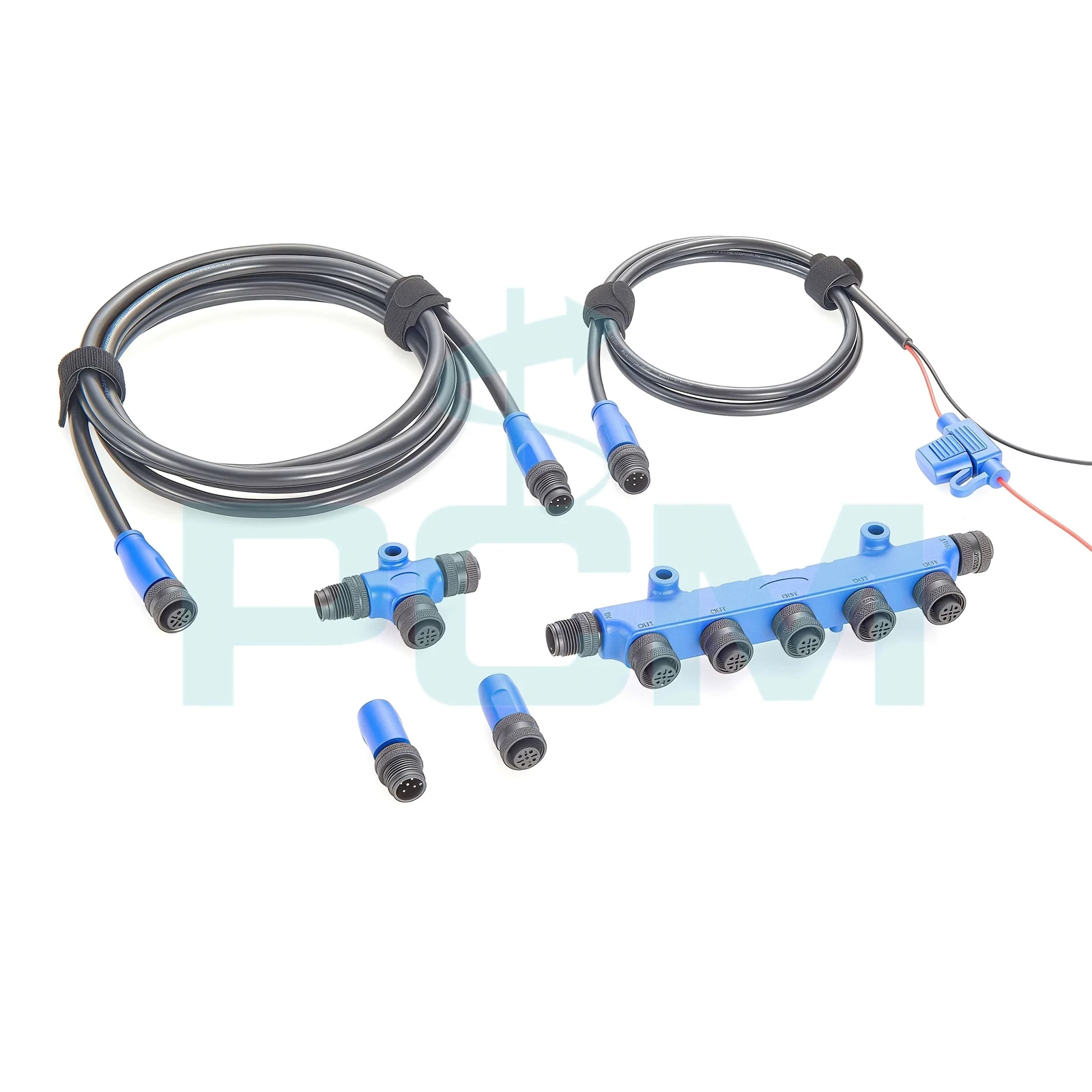
| Product | products | Main Function | Typical Application |
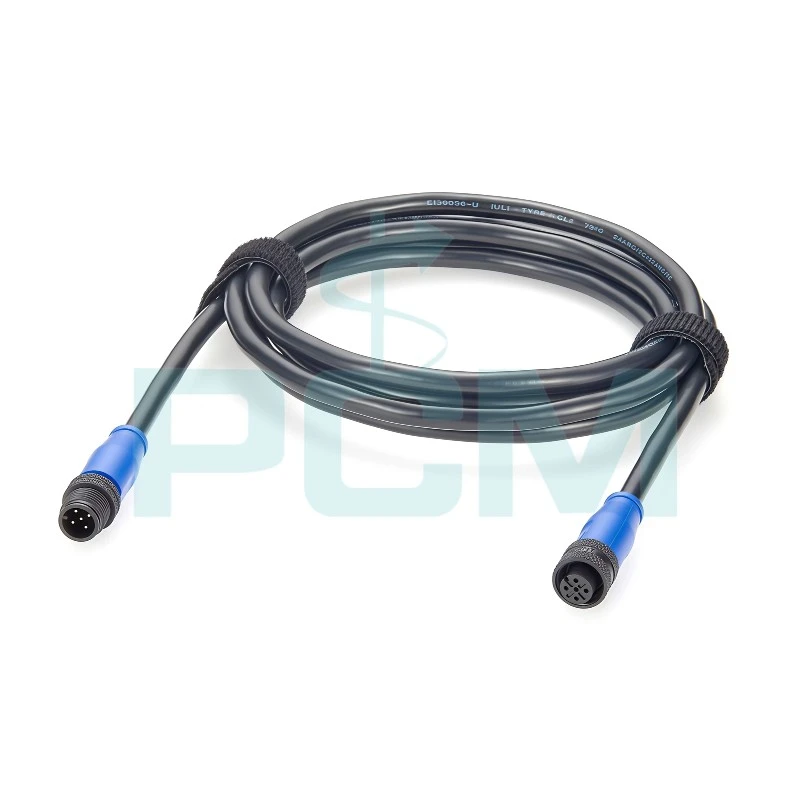
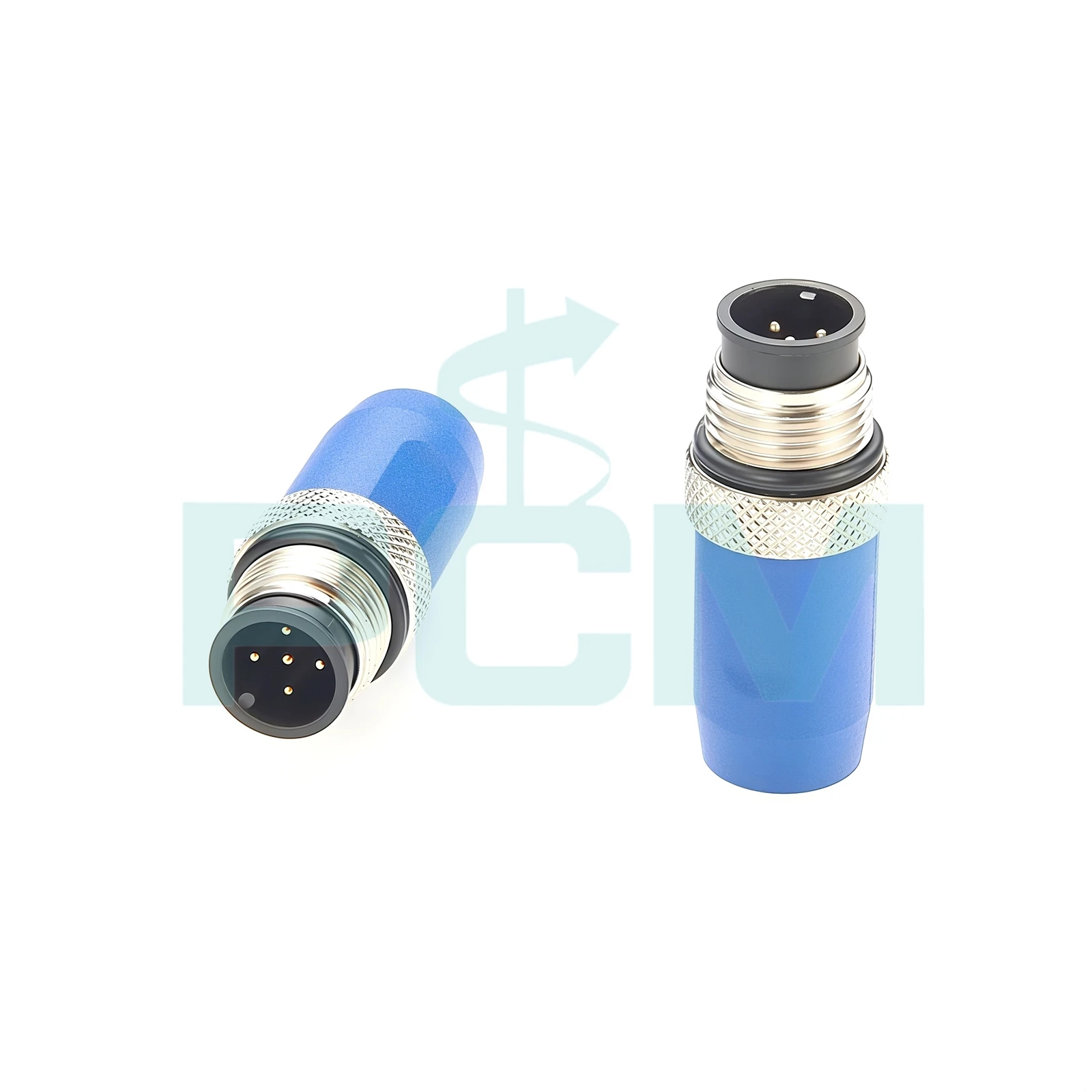
| NMEA 2000 Male/Female Cables |
|
Connect devices and extend network connections | Device connections and cable routing |
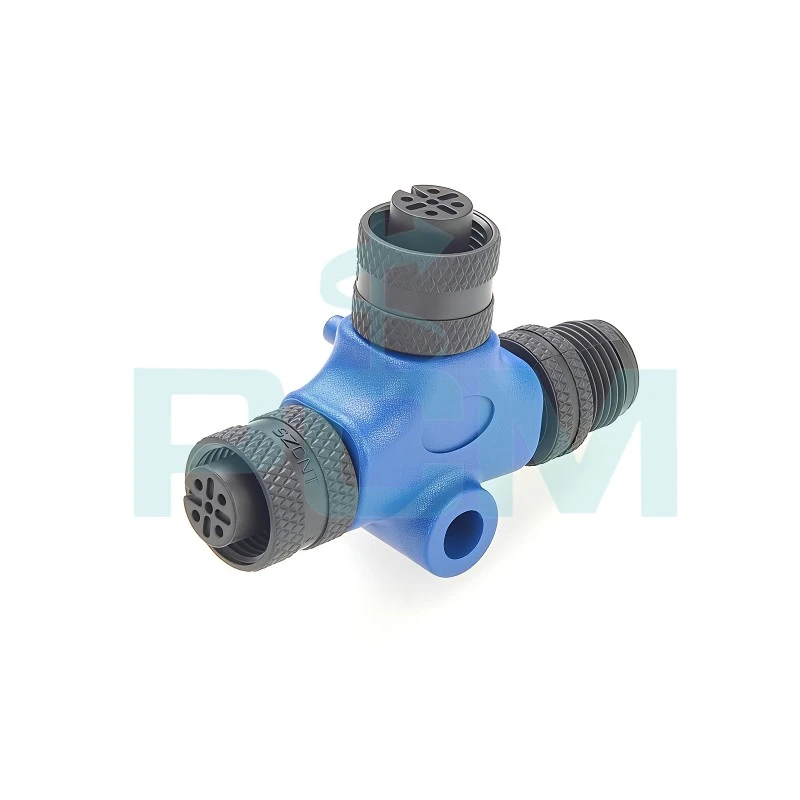
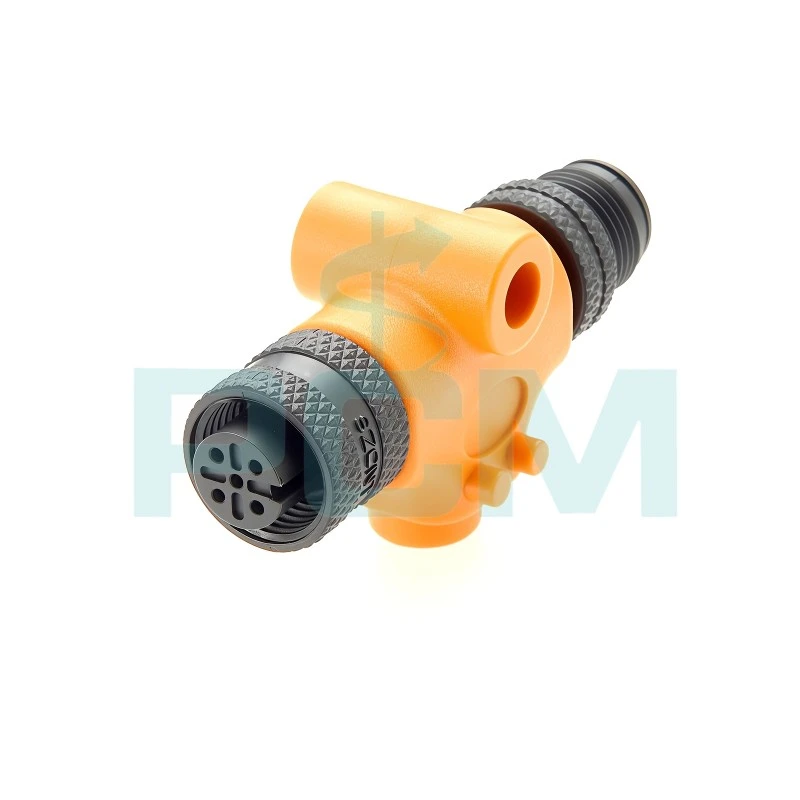
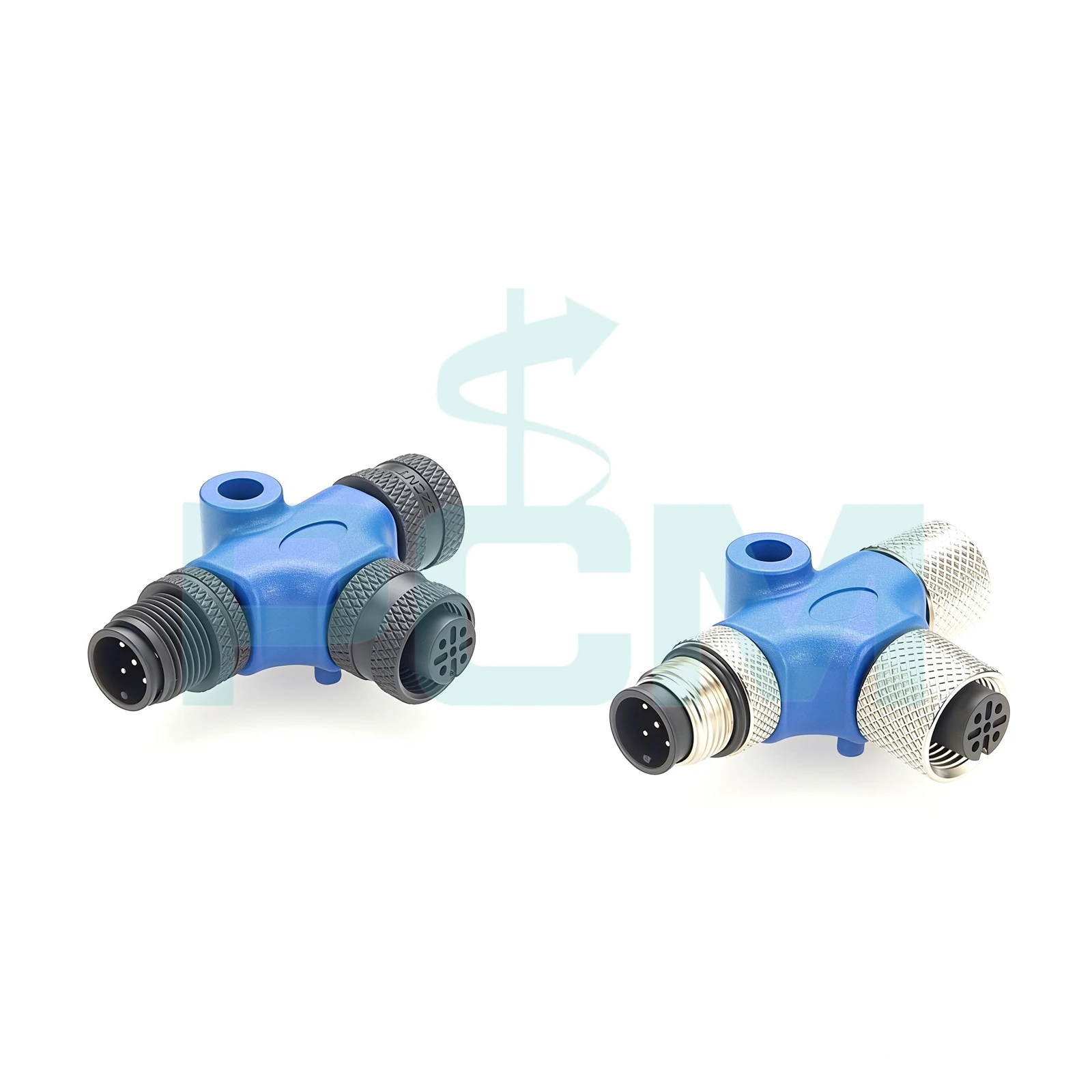
| NMEA 2000 T-Connectors |
|
Connect individual devices to the backbone | GPS, instruments, and sensors |
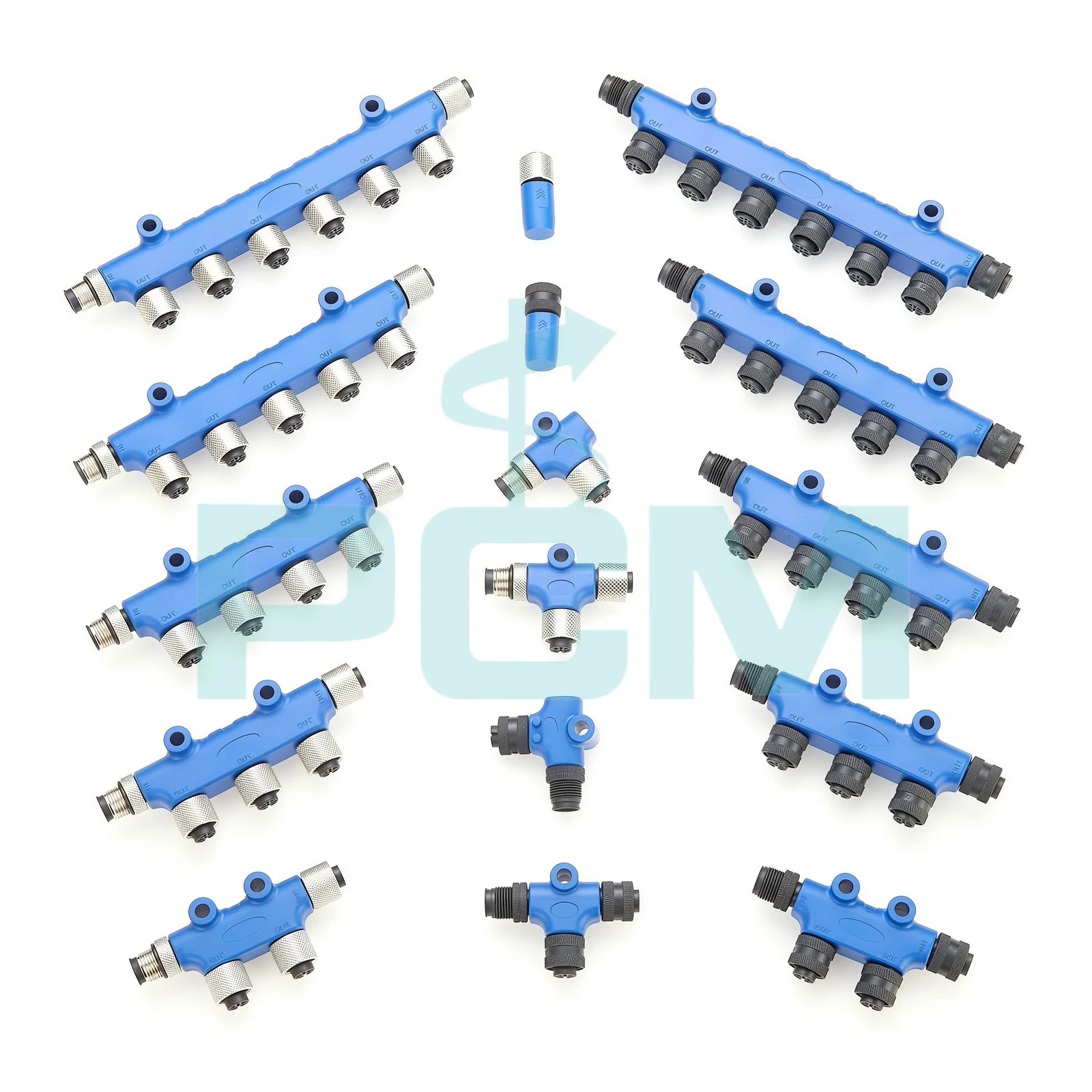
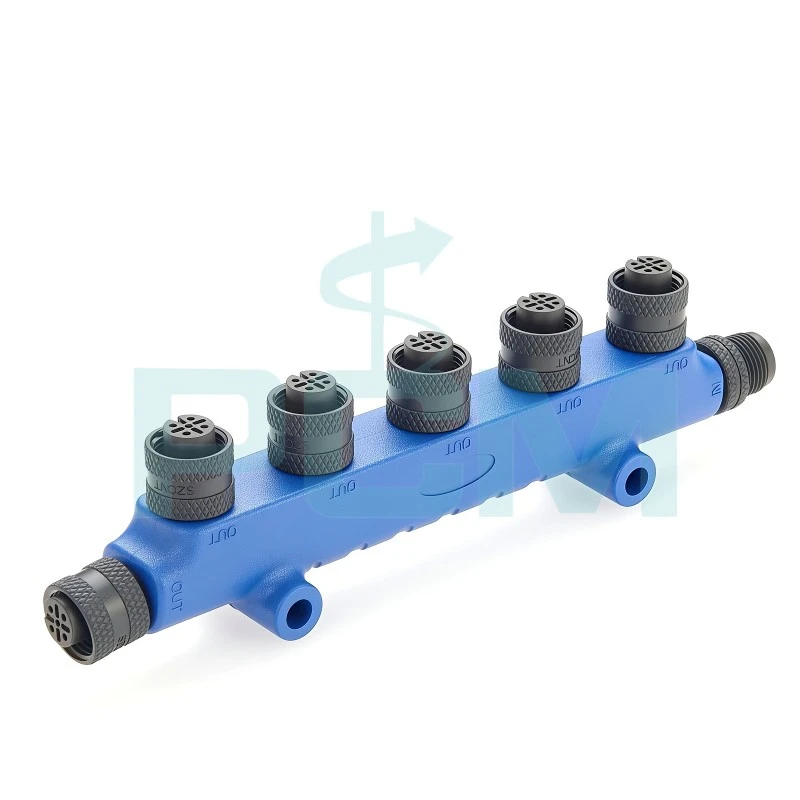
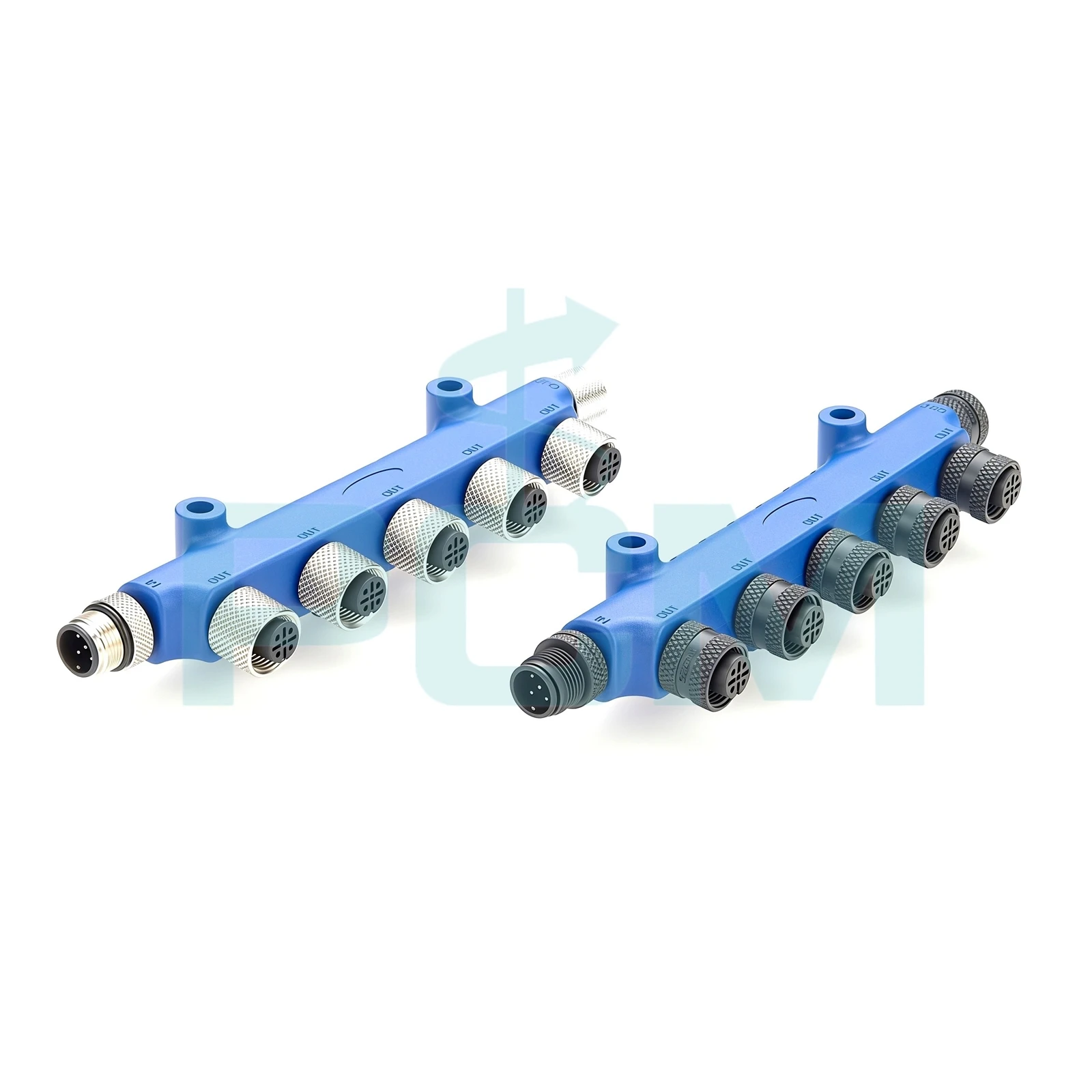
| NMEA 2000 Multiport Connectors |
|
Provide multiple connection points | Compact marine network installations |
| NMEA 2000 Power Tap |
|
Introduce power into the network | Network power distribution |
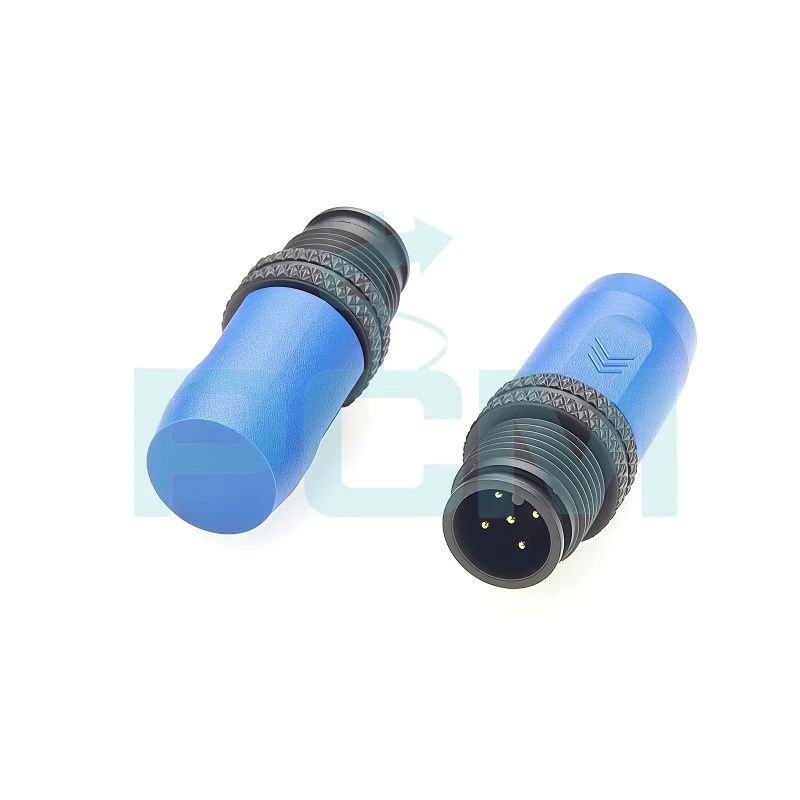
| NMEA 2000 Terminators |
|
Provide termination at backbone ends | Network signal integrity |
How NMEA 2000 Cables and Connectors Work Together
A typical NMEA 2000 installation uses a backbone cable as the main communication path, with individual devices connected through drop cables and T connectors.
The main components work together as follows:
- Backbone Cable: Forms the main network communication path.
- T-Connector: Provides a connection point between the backbone and an individual device.
- Drop Cable: Connects marine equipment to a T-connector.
- Power Tap: Supplies power to the network.
- Male and Female Terminators: Provide the required termination at the backbone ends, according to the connector arrangement.
The backbone follows a linear structure. Device drop cables connect to the branch ports of T connectors rather than extending the backbone through those ports.
Applications of NMEA 2000 in Marine Electronics
NMEA 2000 cables and connectors support communication between various onboard electronic systems.
1. Marine GPS and Chartplotters
Connect compatible navigation equipment to exchange positioning, heading, and other supported navigation information.
2. Fish Finders and Sonar Systems
Allow compatible fish finders, depth sensors, and marine displays to share supported depth and related instrument data.
3. Marine Autopilot Systems
Connect autopilot equipment with compatible navigation instruments and heading sensors to support vessel steering and navigation functions.
4. Engine Monitoring Displays
Enable compatible engine interfaces and monitoring displays to exchange operating information, including engine status and available diagnostic data.
5. Marine Instrument Panels
Connect wind instruments, speed sensors, depth displays, and other supported marine instruments through a common network.
Premier Cable Finished Product Showcase
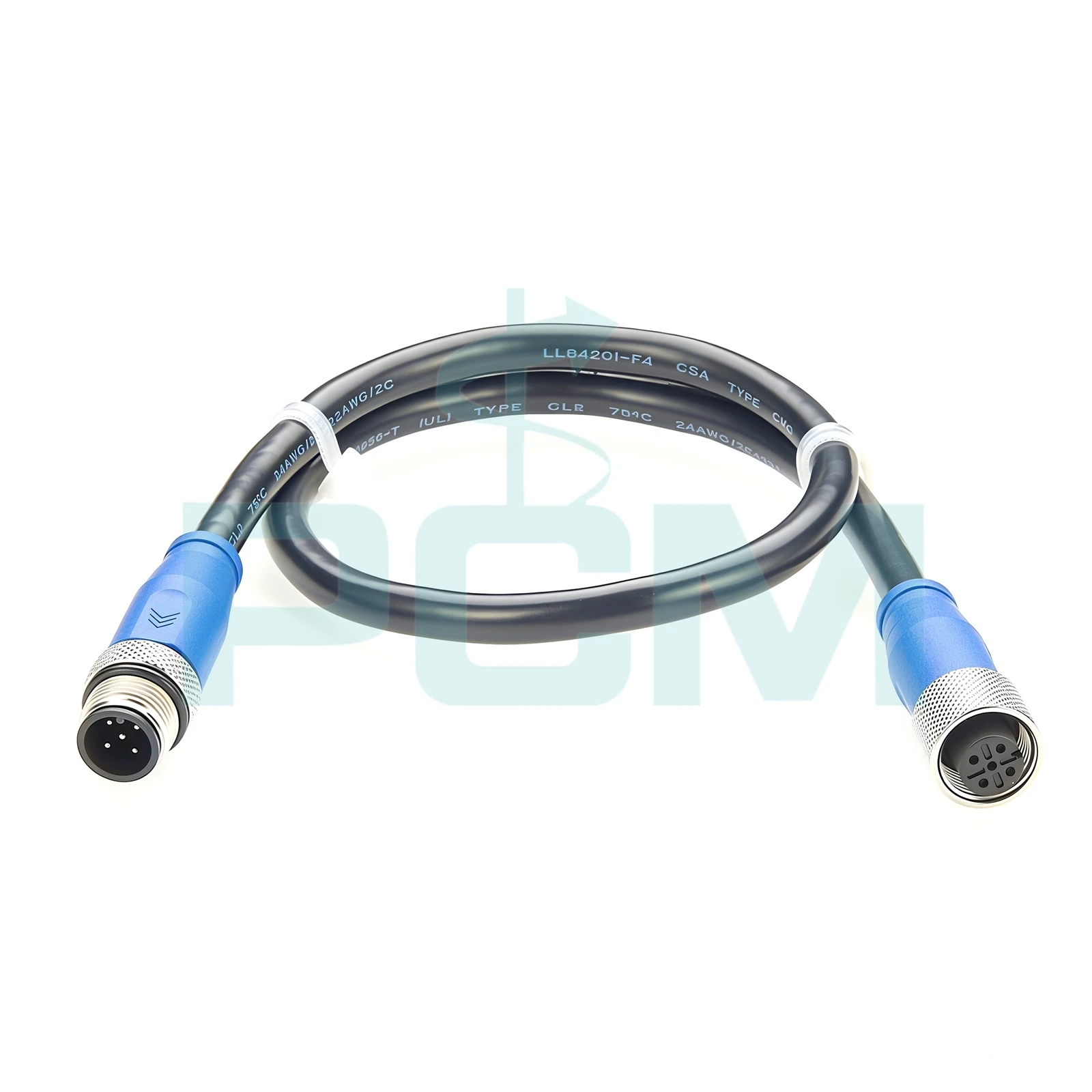
Custom NMEA 2000 Cable Assemblies by Premier Cable
Standard cable assemblies may not accommodate every marine installation, particularly when equipment placement, connector interfaces, or cable routing requirements differ.
Premier Cable provides custom cable assembly solutions for marine electronics manufacturers, OEM equipment suppliers, and system integrators.Customization options include:
- Connector Configuration: Male, female, and application specific connector arrangements.
- Cable Length: Customized lengths for different equipment layouts and installation distances.
- Cable Assembly Design: Cable and connector combinations based on customer drawings or technical requirements.
- Sample Development: Prototype assemblies for connection verification and installation evaluation.
- OEM Production: Production of approved cable assemblies based on agreed specifications and order requirements.
Customers can provide connector part numbers, wiring diagrams, technical drawings, or reference samples for engineering review.