1, Characteristics of AISG cables and optimization of base station performance
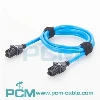
AISG cable is a specialized cable designed for mobile communication devices and antennas, with the ability to transmit control and data signals, enabling remote control and monitoring of antennas. Its characteristics such as high anti-interference, reliability, and waterproofing make AISG cables play a key role in optimizing base station performance.
High anti-interference ability: AISG cables adopt special shielding design, which can effectively resist electromagnetic interference and ensure stable signal transmission. This is crucial for base stations, as they are typically deployed in areas with complex electromagnetic environments, such as city centers or densely populated high-rise areas. By reducing interference, AISG cables help improve the quality and stability of base station signals, thereby optimizing network coverage and data transmission rates.
Reliability: AISG cables use high-quality materials and manufacturing processes, with a long service life and reliability. This means that during the operation of the base station, AISG cables can continuously and stably transmit signals, reducing network interruptions caused by cable failures. High reliability helps reduce maintenance costs and improve network availability.
Waterproof: AISG cables usually have waterproof design, which can maintain stable signal transmission under harsh environmental conditions. This is particularly important for base stations deployed outdoors or exposed to harsh weather conditions. Waterproof helps to extend the service life of cables and reduce performance degradation caused by environmental factors.
2, Antenna control and base station performance optimization
AISG cables are not only used for transmitting signals, but also undertake the task of remote control and monitoring of antennas. Through AISG cables, base stations can achieve real-time monitoring and adjustment of antenna pointing, tilt angle, and parameters, thereby optimizing network coverage and data transmission rates.
Antenna pointing control: Through AISG cables, the base station can remotely control the antenna pointing, achieving optimization and adjustment of network coverage. For example, in densely populated areas, base stations can increase network coverage and improve data transmission rates by adjusting antenna pointing. In remote areas, base stations can reduce signal interference and improve network stability by adjusting antenna pointing.
Antenna tilt angle adjustment: AISG cables can be used to adjust the tilt angle of the antenna to optimize signal transmission and coverage. The adjustment of the tilt angle helps balance the signal strength within the coverage area of the base station, reduce signal overlap and interference, and thus improve the overall performance of the network.
Antenna parameter monitoring: Through AISG cables, the base station can monitor the parameters of the antenna in real time, such as power, gain, etc. Real time monitoring of these parameters helps to detect antenna faults or performance degradation in a timely manner, and take corresponding measures for repair or adjustment. By maintaining stable and optimized antenna parameters, base stations can provide better network coverage and data transmission rates.
3, Fault detection and repair
AISG cables play an important role in base station fault detection and repair. The signals and data transmitted through AISG cables allow the base station to monitor the working status and fault information of the antenna in real time, thereby detecting and resolving problems in a timely manner.
Real time monitoring: Through AISG cables, the base station can monitor the various parameters and working status of the antenna in real time. Once abnormal parameters or working conditions are detected, the base station can immediately trigger an alarm and notify maintenance personnel for inspection and repair. This real-time monitoring helps to reduce the impact of faults on the network and improve its availability and stability.
Remote fault diagnosis: The base station can perform remote fault diagnosis using data transmitted through AISG cables. By analyzing abnormal patterns or trends in the data, the base station can preliminarily determine the cause and location of the fault, thereby guiding maintenance personnel to carry out targeted repair work. This helps to shorten the time for fault repair and reduce maintenance costs.
Preventive maintenance: By monitoring the long-term performance trend of the antenna through AISG cables, the base station can predict potential fault points and perform preventive maintenance in advance. For example, if a parameter of the antenna gradually decreases, the base station can replace the antenna in advance or make necessary adjustments to avoid the occurrence of faults. Preventive maintenance helps to extend the service life of equipment and improve the stability and reliability of the network.
4, Energy Efficiency Management
Energy efficiency management is an important consideration in mobile communication networks. Through AISG cables, base stations can achieve more refined energy efficiency management, reduce operating costs, and minimize environmental impact.
Intelligent power adjustment: Through AISG cables, base stations can intelligently adjust the transmission power of antennas based on network load and coverage requirements. During low load periods or areas with low coverage requirements, base stations can reduce the transmission power of antennas, thereby reducing energy consumption. This intelligent adjustment helps to reduce the operating costs of base stations while minimizing their impact on the environment.
Sleep mode management: During nighttime or low load periods, the base station can place some antennas in sleep mode through AISG cables to reduce energy consumption. Sleep mode management helps reduce idle power consumption of base stations and improve energy efficiency.
Energy efficiency monitoring and optimization: The data transmitted through AISG cables allows the base station to monitor energy efficiency indicators in real-time, such as power consumption, energy efficiency ratio, etc. These data help base stations optimize energy efficiency, such as adjusting antenna configurations, optimizing network coverage, etc., to improve overall energy efficiency.

Feb 20, 2025
Leave a message
How to optimize base station performance through AISG cables?
Send Inquiry