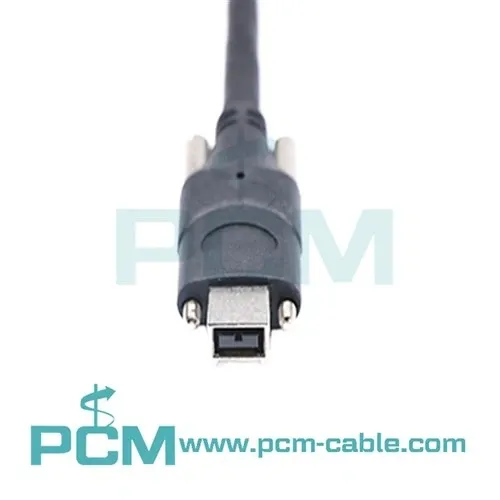
Identifying a connector involves understanding its physical characteristics, electrical specifications, and intended applications. Connectors are widely used in various industries to create reliable electrical and mechanical connections between devices or components. In this extensive guide, we'll cover the key aspects of connector identification.
Physical Characteristics:
Shape and Size: Connectors come in various shapes and sizes, ranging from simple circular connectors to complex multi-pin rectangular ones.
Number of Pins/Contacts: Count the number of pins or contacts on the connector. This helps identify the connector's basic configuration.
Gender: Connectors are typically categorized as male or female. Male connectors have exposed pins or contacts, while female connectors have matching holes or slots to accept the pins.
Mounting Style: Connectors can be board-mounted (through-hole or surface-mount) or cable-mounted (for attaching wires or cables).
Locking Mechanism: Some connectors have latches or locking mechanisms to ensure a secure connection.
Keying and Polarization: Connectors may have notches, keyways, or polarization features to prevent incorrect mating.
Electrical Specifications:
Voltage Rating: Check the connector's voltage rating to ensure it can handle the intended electrical load.
Current Rating: Determine the maximum current the connector is designed to carry safely.
Impedance: Some connectors, especially in high-frequency applications, have specified impedance requirements.
Termination Type: Connectors may use various termination methods, such as soldering, crimping, or insulation displacement.
Intended Applications:
Industry Standards: Many connectors conform to specific industry standards. Research industry-specific standards (e.g., USB, HDMI, DIN, RJ45) to help identify the connector type.
Application-Specific Connectors: Some connectors are designed for particular applications, such as audio, video, data, power, or industrial environments.
Connector Families:
Circular Connectors: These connectors have a round shape and are commonly used in audio, video, and industrial applications. Examples include USB Type-A, BNC, and XLR connectors.
Rectangular Connectors: These connectors have a rectangular shape and are often found in computer and industrial applications. Examples include D-Sub (DB-9, DB-25), SATA, and HDMI connectors.
Board-to-Board Connectors: These connectors allow connections between circuit boards. They come in various configurations, including mezzanine, stacking, and edge connectors.
Wire-to-Board Connectors: These connectors enable connections between wires or cables and printed circuit boards (PCBs).
Wire-to-Wire Connectors: These connectors are used to join wires or cables together directly.
Fiber Optic Connectors: Designed for optical signals, these connectors come in various types like SC, LC, and ST connectors.
Power Connectors: These connectors are designed to handle high-current and high-voltage applications. Examples include barrel connectors, PowerCON, and Anderson Powerpole connectors.
Manufacturer and Part Number:
If possible, locate any markings on the connector, including the manufacturer's name or logo and a part number. These details can be used to search for datasheets or specifications online.
Online Databases and Resources:
There are various online databases and resources that can help you identify connectors, such as manufacturer websites, connector catalog websites, and connector search engines.
Seek Professional Help:
If you encounter difficulties identifying a connector, consult with a professional or an expert in the field of connectors and electronics.
In conclusion, connector identification involves considering the physical characteristics, electrical specifications, intended applications, and connector families. Armed with this knowledge and utilizing available resources, you can successfully identify a connector for your specific needs.