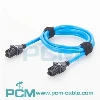
NMEA 2000 (National Marine Electronics Association 2000) is a standard protocol for data communication between ships and marine equipment, usually using specific types of cables and connectors. Here are some devices and systems that can use NMEA 2000 cables:
Marine navigation equipment: including GPS receivers, chart plotters, sonar, radar, autopilot, etc. These devices can use NMEA 2000 for data sharing to provide better navigation and navigation information.
Engines and marine systems: Many marine engine manufacturers support NMEA 2000 to monitor and control engine performance, fuel consumption, ship speed and other information.
Instruments and Sensors: Meteorological sensors, hydrographic measuring instruments, temperature sensors, humidity sensors, etc. can share data with other devices through NMEA 2000 to monitor and analyze environmental conditions.
Communication equipment: Certain ship communication equipment, such as VHF radio, AIS (automatic identification system), etc., can also use NMEA 2000 for data exchange to provide more comprehensive information.
Onboard entertainment system: Sound systems, TVs, multimedia equipment, etc. can be integrated with navigation equipment and other systems through NMEA 2000 to provide a better entertainment experience.
Please note that NMEA 2000 cables and connectors have specific specifications and standards to ensure data reliability and compatibility. When installing and connecting NMEA 2000 equipment, be sure to follow the manufacturer's recommendations and guidelines to ensure proper system operation. Additionally, ensure that devices are configured and installed correctly so that they can exchange information correctly.