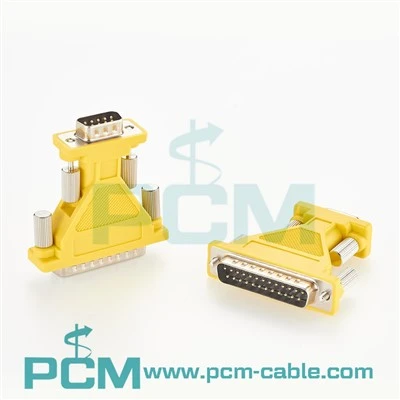
What is the isolation voltage of a serial adapter? Well, if you're in the market for a serial adapter, you've probably heard this term thrown around. As a serial adapter supplier, I'm here to break it down for you in plain English.
Let's start with the basics. A serial adapter is a device that allows you to connect different types of serial devices. It's like a translator between two devices that speak different serial "languages." For example, you might use a serial adapter to connect an old RS - 232 device to a modern USB port on your computer.
Now, the isolation voltage of a serial adapter is a crucial specification. It refers to the maximum voltage difference that can exist between the input and output sides of the adapter without causing electrical breakdown or damage to the device. In other words, it's a measure of how well the adapter can protect itself and the connected devices from voltage spikes and electrical interference.
Why is isolation voltage important? Imagine you're using a serial adapter in an industrial environment. There are all sorts of electrical noise, power surges, and ground loops that can occur. These electrical disturbances can cause serious problems for your serial devices, such as data corruption, device malfunctions, or even permanent damage. A serial adapter with a high isolation voltage can act as a buffer, protecting your devices from these harmful electrical events.
Let's take a closer look at some of the serial adapters we offer as a supplier. First up, we have the Industrial RS232 To RS485 RS422 Converter. This adapter is designed for industrial applications where electrical interference is a major concern. It has a high isolation voltage, which means it can handle large voltage differences between the RS - 232 and RS - 485/RS - 422 sides. This makes it ideal for use in factories, power plants, and other industrial settings.
Another popular product is the USB 2.0 to RS485 Converter. This adapter allows you to connect a USB - enabled device, like a laptop or a desktop computer, to an RS - 485 device. It also features a good isolation voltage, protecting your computer from any electrical issues that might occur on the RS - 485 side. Whether you're using it for a home automation project or a small business application, this adapter provides a reliable connection.


And then there's the RS232 To RS485 Serial Adapter. This is a versatile adapter that can be used in a wide range of applications. It has a decent isolation voltage, which ensures that your RS - 232 and RS - 485 devices can communicate safely and effectively. Whether you're working on a DIY electronics project or a professional installation, this adapter is a great choice.
When choosing a serial adapter, it's important to consider the isolation voltage based on your specific application. If you're working in a relatively clean electrical environment, like an office, a lower isolation voltage might be sufficient. However, if you're in an industrial or high - noise environment, you'll want to go for an adapter with a higher isolation voltage.
So how do you determine the right isolation voltage for your needs? Here are a few factors to consider:
- The electrical environment: As mentioned earlier, industrial environments are more prone to electrical interference. So, if you're using the adapter in an industrial setting, you'll need a higher isolation voltage. For example, a factory floor might have welding machines, large motors, and other equipment that can generate significant electrical noise.
- The distance between devices: The longer the cable length between the connected devices, the more susceptible they are to electrical interference. If you're using long cables, a higher isolation voltage can help reduce the risk of data errors caused by electrical noise.
- The sensitivity of the devices: Some serial devices are more sensitive to electrical interference than others. If you're connecting high - sensitivity devices, such as certain types of sensors or measurement equipment, you'll need an adapter with a higher isolation voltage to protect them.
It's also important to note that the isolation voltage is just one of many factors to consider when choosing a serial adapter. Other factors include data transfer rate, compatibility with your devices, and the number of ports available.
At our company, we understand that choosing the right serial adapter can be a bit overwhelming. That's why we're here to help. Our team of experts can answer any questions you have about isolation voltage or any other aspect of our serial adapters. We can also help you select the right adapter for your specific application.
If you're interested in purchasing a serial adapter, or if you just want to learn more about our products, don't hesitate to reach out. We're always happy to have a chat and help you find the best solution for your needs. Whether you're a small business owner, a DIY enthusiast, or an industrial professional, we have the right serial adapter for you.
In conclusion, the isolation voltage of a serial adapter is a critical specification that can have a big impact on the performance and reliability of your serial devices. By understanding what it is and how it affects your application, you can make an informed decision when choosing a serial adapter. And if you're looking for high - quality serial adapters with the right isolation voltage, look no further. Contact us today to start the conversation about your serial adapter needs.
References:
- General knowledge of serial communication and electrical engineering principles.
- Product specifications of our serial adapters.