If you’ve ever set up a small band, a home studio, or a live gig, chances are you’ve dealt with snake cables. Those thick, multi-conductor cables that bundle XLR, TRS, or audio connections to keep all your instruments and mics wired to your mixing board—they’re a lifesaver for cutting down on clutter, right? But lately, I’ve been getting a ton of questions from fellow musicians, studio owners, and even live sound techs: “Are there any good wireless alternatives to snake cables?” As someone who’s been supplying snake cables for years (yep, that’s me, part of the team that makes the ones you actually trust when you’re mid-set and can’t afford a wire trip-up), I get why people are curious. Wireless tech has come a long way, but it’s not a one-size-fits-all fix, especially when it comes to the specific needs of audio setups. Let’s break this down, no fancy jargon, just real talk about what works, what doesn’t, and where my snake cables still fit in.
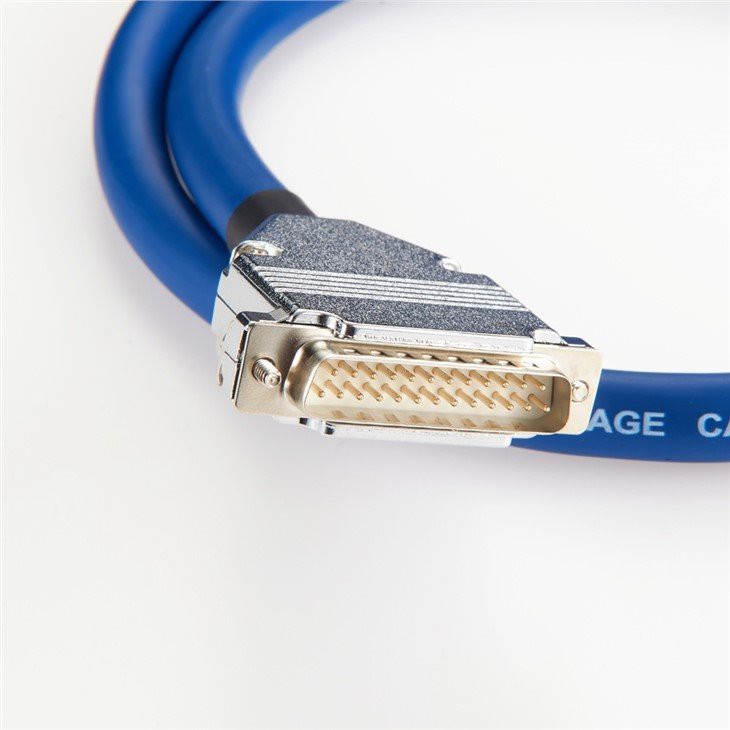
First, let’s get clear on what a snake cable actually does, because that’s the baseline for comparing alternatives. A standard snake (like the ones we sell) is a multicore cable that carries multiple audio signals over a single line. For example, our Electric Drums PAD Audio Cable TRS Male to DB25 Male connector Fits Alesis DM6 USB Express is made specifically for drum kit setups—you run it from your Alesis module to all your pad triggers, so you don’t have 10 separate cables snaking across your stage. Another popular one is the 8 Channel RCA To DB25 Snake for multi-input gear like mixers or keyboards, or the DB25 To 4XLR M 4XLR F Tascam Compatible Cable for recording gear that needs balanced XLR inputs. These are built for consistent, low-latency, interference-free signal transfer—two big reasons they’ve been the go-to for decades.
Now, wireless alternatives. The main players here are wireless audio systems, like those used for microphones, instruments, or even whole channel banks. For small setups, like a solo singer with a wireless mic, or a guitarist with a wireless guitar, that works great. But when you’re talking about 4, 8, or more simultaneous audio channels—something you need for a drum kit, a full band with multiple mics, or a home studio tracking multiple instruments—wireless starts to hit some walls. Let’s talk about the biggest ones: latency and signal interference.
Latency is the delay between when you play a note or sing a line and when it comes through your mixer or speakers. For a single channel, modern wireless systems have super low latency—like 1-2 milliseconds, which is unnoticeable. But add 8, 16, or 20 channels? That latency adds up fast. Suddenly, a drummer’s kick mic is delayed enough that it throws off their timing, or a vocalist is singing slightly out of sync with their monitor. For live performance, that’s a disaster—no one wants to feel like they’re playing to a beat that’s not their own. And for recording? Latency makes tracking impossible, because you can’t play along with a delay that’s tied to your performance.
Then there’s signal interference. Wireless audio systems operate on specific frequencies (usually UHF or digital), but if you’re in a venue with a lot of other wireless gear—like other bands’ mics, Wi-Fi routers, stage lights, even people’s phones—those frequencies get crowded. I’ve seen it happen at small festivals: half the band’s wireless mics cut out mid-set because another group’s gear was using the same frequency. Wired snakes don’t have that problem at all. They’re shielded (especially the good ones, like our Multicore analog snack cable Gold DB25 Sub-D High fidelity that’s built to reduce noise and interference) so even if you run them next to power cables or stage lights, you get a clean signal every time.
Wait, but what about digital wireless snakes? Those are a newer option, right? There are systems like Wi-Fi-based or Bluetooth multicast setups that claim to replace whole snake cables. But here’s the thing: Bluetooth works for small, low-data transfers, but for 8 channels of high-quality audio, it’s not reliable enough. It can drop signals, cause audio glitches, and if you’re playing live, that’s not something you can risk. Wi-Fi is better, but it’s shared—so if someone’s streaming a concert or using a laptop next to your mixer, it can take bandwidth away from your audio signals. Some professional digital wireless snakes use dedicated frequencies, but those are super expensive, way pricier than a good physical snake cable, and they still have latency issues when you need multiple channels.
Now, let’s talk about when wireless alternatives actually make sense, because it’s not all bad. If you’re a solo artist playing small gigs, or a band that only needs 1-2 wireless mics, or you’re tracking a single instrument in your home studio, wireless works fine. Even for small drum kits, if you only need a couple of wireless pads, that’s doable. But when you’re scaling up—say, a full 5-piece band with 5 vocal mics, 2 guitar mics, a bass amp, and 3 drum mics—you need 10+ channels. Wireless for 10 channels would require 10 separate wireless systems, each with its own frequency, and that’s going to be way more complicated, more expensive, and more likely to have issues than a single good snake cable.
Also, let’s not forget about durability. If you’ve ever dropped a snake cable, or stepped on it, or dragged it across a stage, you know how tough they are. Wireless gear? It’s delicate. The receivers and transmitters can get damaged if they take a fall, or if they get wet (if you’re playing an outdoor gig, rain is a problem for wireless gear, but a good snake cable is water-resistant if you get the right one). And if you’re playing a venue with a lot of foot traffic, wireless receivers are easy to knock off a table or a stand—something that never happens with a wired snake that’s secured to the floor.
But wait, I’m not here to bash wireless—they’re a great tool for specific jobs. As someone who supplies snake cables, my job is to help people pick the right gear for their needs, not just sell what I have. So let’s do a quick breakdown of when to use a snake, when to use wireless, and when maybe you can mix both:
-
When to stick with a snake cable: Live bands with 4+ channels, studio recording (especially multi-track), outdoor gigs where weather is a factor, venues with lots of wireless gear already, and any setup where reliability is non-negotiable. Our range has options for almost every need—like the DB25 To 8 XLR Male Cable for 8-channel setups, or the drum-specific one for electronic kits. These are built to last, and they give you a rock-solid signal every single time.
-
When wireless works: Small solo gigs, 1-2 instrument mics, home studio single-track recording, and setups where you can’t run wires (like a stage that doesn’t have space, or a festival where floor wires aren’t allowed). But even then, consider pairing wireless with a snake for other channels—you don’t have to choose one or the other.
-
Hybrid setups: This is a sweet spot for a lot of people. Run a wireless mic for a vocalist, but use a snake for the drum kit and guitars. That way, you get the flexibility of wireless where you need it, and the reliability of a snake where you can’t afford to have a signal drop. I’ve helped a lot of small bands put together hybrid setups like this—they cut down on clutter a little, but still keep the important stuff wired and stable.
Now, let’s address some common myths I hear from people looking to ditch snakes. The first one: “Wireless is just as good as wired now.” For single channels, that’s true, but for multiple channels, it’s not even close. I’ve had customers come to me after trying a digital wireless snake setup for their studio—they spent twice as much as they would have on a good physical snake, and they ended up going back because of constant glitches and latency. Another myth: “Wires are a tripping hazard.” Yeah, if you run them across the floor un-secured, but you can get cable tape or cable snakes (wait, no, not those—cable protectors) that keep wires flat and safe. It takes 2 minutes to tape a cable down, and it’s way less hassle than dealing with a signal drop mid-set.
And let’s talk about cost. A good 8-channel snake cable from our side is a fraction of the cost of 8 separate wireless systems. That’s a big one for small bands or home studio owners on a budget. You get a one-time purchase that lasts for years, vs. wireless gear that needs batteries, replacement parts, and upgrades every few years.
Don’t get me wrong, I’m excited about new audio tech—wireless has made a lot of things way easier. But when it comes to snake cable alternatives, the answer is: there are some wireless options, but they’re not a replacement for physical snakes in most cases. It’s like asking if a wireless keyboard can replace a wired one for gaming—maybe for casual use, but for pro-level performance, you still reach for the wired one because it’s reliable.
If you’re in the market for a snake cable, or you’re not sure what’s right for your setup, I’d be stoked to help. We carry options for everything from electronic drum kits (that Electric Drums PAD Audio Cable TRS Male to DB25 Male connector Fits Alesis DM6 USB Express I mentioned earlier is super popular with Alesis users) to multi-channel XLR setups, and all our cables are built with high-fidelity shielding to cut down on noise. Whether you’re a one-man band or a full 8-piece group, we’ve got a snake that fits your needs, and we can help you figure out if wireless is a good add-on for your setup, or if sticking with a wired snake is the way to go.
At the end of the day, the best gear is the stuff that works when you need it most. If you’re mid-gig and a wire cuts out or a signal drops, that’s a show killer. Wired snake cables have been around for decades for a reason—they’re reliable, consistent, and easy to use. Wireless is a great tool, but it’s not the end-all-be-all for audio setups that need multiple channels. If you have questions about our snake cables, or you want to chat about what works for your specific setup, reach out anytime. We’re here to help you make your performances and recordings sound as good as they can be.

References
- Audio Engineering Society. (2021). Multicore Cable Performance and Interference Mitigation.
- Wireless World Magazine. (2022). Latency and Signal Crosstalk in Multi-Channel Wireless Audio Systems.
- Live Sound International. (2023). Choosing Between Wired Snake Cables and Digital Wireless Setups for Small to Mid-Size Gigs.