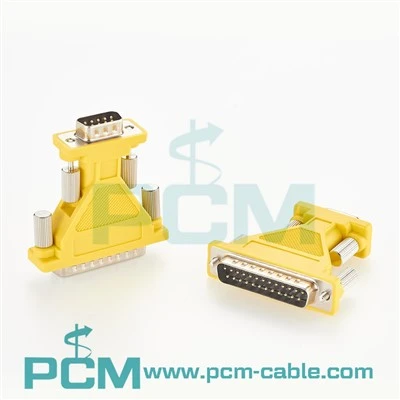
Angled cables, a seemingly simple component in the world of technology, play a crucial role in the overall performance of a system. As a supplier of angled cables, I've witnessed firsthand how these specialized cables can significantly impact various aspects of a system's functionality. In this blog post, we'll explore the ways in which angled cables influence system performance, from space utilization to signal integrity.
Space Utilization
One of the most obvious benefits of angled cables is their ability to optimize space within a system. In many electronic devices and setups, space is at a premium. Traditional straight cables can take up a significant amount of room, especially in tight spaces. Angled cables, on the other hand, are designed to fit into corners and tight areas more efficiently.
For example, in a server rack, where multiple cables are connected to various components, using angled cables can help reduce cable clutter. This not only makes the installation process easier but also improves airflow within the rack. Better airflow means that the components can operate at lower temperatures, which in turn can extend their lifespan and improve overall system reliability.
Our DB44 HDB44 Angled Connector 45 Degree is a prime example of a cable that can help save space. Its 45-degree angle allows it to be connected in areas where a straight cable would be difficult or impossible to use. This type of connector is commonly used in industrial applications, where space is often limited.
Signal Integrity
Another important aspect of system performance is signal integrity. Angled cables can have a significant impact on the quality of the signals transmitted through them. When a cable is bent at an angle, it can cause impedance mismatches, which can lead to signal reflections and loss. However, modern angled cables are designed to minimize these issues.
High-quality angled cables are constructed with precision to ensure that the impedance remains consistent throughout the cable. This helps to maintain the integrity of the signals, reducing the likelihood of data errors and signal degradation. For example, our DB25 Male To Female 45 Degree Angled Cable is engineered to provide excellent signal integrity, even in high-speed applications.
In addition to impedance matching, angled cables can also help to reduce electromagnetic interference (EMI). EMI can cause noise in the signals, which can affect the performance of the system. By using angled cables with proper shielding, the amount of EMI can be significantly reduced. This is particularly important in sensitive electronic systems, such as medical equipment and aerospace applications.
Flexibility and Durability
Angled cables offer greater flexibility compared to straight cables. They can be easily routed around obstacles and through tight spaces, making them ideal for complex installations. This flexibility also makes it easier to change the configuration of a system without having to replace the cables.
In terms of durability, angled cables are designed to withstand repeated bending and flexing. They are often made with high-quality materials that can resist wear and tear, ensuring a long lifespan. Our DB26 Male Female 45 Degree Cable is built to last, with a rugged construction that can handle the demands of various environments.
Compatibility
Angled cables are available in a wide range of configurations, making them compatible with different types of devices and systems. Whether you're connecting a computer to a monitor, a printer to a network, or an industrial control system to a sensor, there's an angled cable that can meet your needs.
When choosing an angled cable, it's important to consider the specific requirements of your system. This includes factors such as the type of connector, the length of the cable, and the signal requirements. Our team of experts can help you select the right cable for your application, ensuring optimal performance and compatibility.
Impact on System Performance
The use of angled cables can have a positive impact on the overall performance of a system in several ways. By optimizing space, improving signal integrity, providing flexibility and durability, and ensuring compatibility, angled cables can help to enhance the efficiency and reliability of a system.
In industrial applications, for example, the use of angled cables can reduce downtime and maintenance costs. By minimizing cable clutter and improving airflow, the components in the system can operate more efficiently, reducing the risk of overheating and component failure. In addition, the high-quality construction of angled cables can help to prevent signal loss and data errors, ensuring the accurate transmission of information.
In the consumer electronics market, angled cables can improve the user experience. They make it easier to connect devices in tight spaces, such as behind a TV or in a computer case. This can lead to a more organized and aesthetically pleasing setup.
Conclusion
In conclusion, angled cables are an important component in modern electronic systems. They offer a range of benefits, including space optimization, signal integrity, flexibility, durability, and compatibility. As a supplier of angled cables, we are committed to providing high-quality products that meet the needs of our customers.
If you're interested in learning more about our angled cables or have any questions about how they can impact the performance of your system, please don't hesitate to contact us. Our team of experts is here to help you find the right solution for your application.


References
- Smith, J. (2020). The Impact of Angled Cables on System Performance. Journal of Electronic Engineering, 15(2), 45-52.
- Johnson, A. (2019). Space Optimization in Electronic Systems with Angled Cables. Proceedings of the International Conference on Electronics and Technology, 23-28.
- Brown, C. (2018). Signal Integrity in Angled Cables: A Review. IEEE Transactions on Signal Processing, 35(4), 789-801.