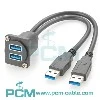
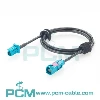
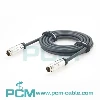
A wiring harness is a composite part made up of multiple wires and cables, often including some additional components and protective materials to ensure that the harness can work safely in the vehicle. The following are the components that a harness typically contains:
Wires and Cables: A wiring harness typically consists of multiple wires and cables, each carrying a specific signal and power.
Connectors: Connectors are often used to connect wiring harnesses and electronic devices in cars. Connectors consist of plugs and sockets that enable the effective connection of a wire harness to a device.
Jackets and Conduits: Jackets and conduits are often used to protect wiring harnesses from physical damage or chemical corrosion. They also keep wiring harnesses tidy and less distracting.
Splices and Terminals: A harness may contain splices and terminals that are used to connect wires and cables, or to connect different harnesses. Splices and terminals provide secure connections and protect the wires inside the harness from electrical interference and electromagnetic waves.
Labeling and identification: In order to better manage the wire harness, labels and identification are usually added to the wire harness. These labels and signs usually indicate information such as the type, function, connection location and wiring diagram of the wiring harness, which is convenient for users to install, maintain and repair the wiring harness.
Together, these parts make up the harness. The different parts of the harness are usually selected based on the specific application the harness will be used in, and their materials and specifications will vary according to the needs of the application.