As a supplier of TT Patch Cables, I often encounter inquiries about signal attenuation. Signal attenuation is a crucial concept in the world of audio cables, and understanding it is essential for anyone involved in audio setups, whether it's for professional studios, live events, or home audio systems. In this blog post, I'll delve into what signal attenuation is, how it affects TT Patch Cables, and what you can do to mitigate its effects.
What is Signal Attenuation?
Signal attenuation refers to the loss of signal strength as it travels through a medium, such as a cable. In the context of TT Patch Cables, this means that the audio signal weakens as it moves from one end of the cable to the other. Several factors contribute to signal attenuation, including the length of the cable, the quality of the conductors, and the frequency of the signal.
Factors Affecting Signal Attenuation in TT Patch Cables
Cable Length
One of the most significant factors influencing signal attenuation is the length of the cable. As the signal travels through a longer cable, it encounters more resistance, which causes it to lose strength. This is known as the "length effect." For example, a shorter TT Patch Cable will generally have less signal attenuation than a longer one. When choosing a cable, it's important to consider the distance between the audio source and the destination to minimize attenuation.
Conductor Quality
The quality of the conductors in a TT Patch Cable also plays a crucial role in signal attenuation. High-quality conductors, such as those made of copper or silver, have lower resistance and can transmit the signal more efficiently. On the other hand, cables with poor-quality conductors may experience higher levels of attenuation. As a supplier, I always recommend using cables with high-quality conductors to ensure optimal signal transmission.
Frequency of the Signal
The frequency of the audio signal can also affect signal attenuation. Higher-frequency signals tend to experience more attenuation than lower-frequency signals. This is because high-frequency signals are more susceptible to interference and losses in the cable. When dealing with high-frequency audio signals, it's important to choose cables that are designed to minimize attenuation at those frequencies.
How Signal Attenuation Affects Audio Quality
Signal attenuation can have a significant impact on audio quality. When the signal loses strength, it can result in a decrease in volume, a loss of clarity, and an increase in noise. This can make the audio sound dull, muddy, or distorted. In a professional audio setup, even a small amount of attenuation can be noticeable and may affect the overall performance of the system.
Measuring Signal Attenuation
Signal attenuation is typically measured in decibels (dB). A higher dB value indicates a greater loss of signal strength. To measure the attenuation of a TT Patch Cable, specialized equipment such as a network analyzer or an audio signal generator can be used. These tools can provide accurate measurements of the signal strength at different points along the cable.

Mitigating Signal Attenuation in TT Patch Cables
Choose the Right Cable Length
As mentioned earlier, cable length is a major factor in signal attenuation. To minimize attenuation, it's important to choose the shortest cable possible for your setup. If you need to cover a longer distance, consider using signal boosters or repeaters to amplify the signal along the way.
Use High-Quality Cables
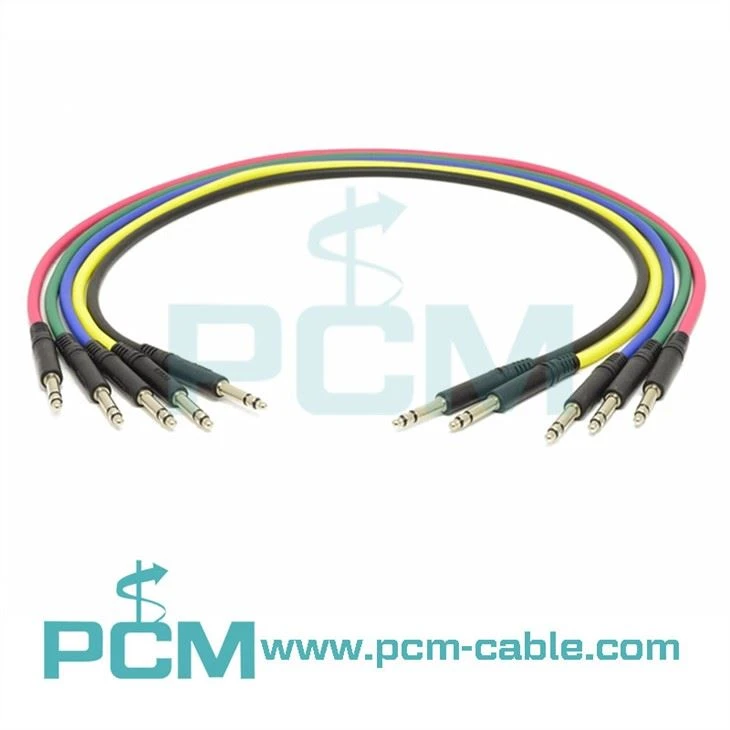
Investing in high-quality TT Patch Cables with good conductors and insulation can significantly reduce signal attenuation. Look for cables that are specifically designed for audio applications and have a low attenuation rating. Some of the high-quality options we offer include TRS TT Patch Cords, Mini-Quad Gold Plated TT Cables, and Tiny Telephone Cable. These cables are made with high-quality materials and are designed to provide excellent signal transmission.
Proper Installation
Proper installation of the TT Patch Cables is also important to minimize signal attenuation. Make sure the cables are properly connected and secured, and avoid bending or kinking them. Additionally, keep the cables away from sources of interference, such as power cables or other electronic devices.
Conclusion
Signal attenuation is an important consideration when using TT Patch Cables. By understanding the factors that contribute to attenuation and taking steps to mitigate its effects, you can ensure optimal audio quality in your setup. As a supplier of TT Patch Cables, I'm committed to providing high-quality products that minimize signal attenuation and deliver excellent performance.
If you're in the market for TT Patch Cables or have any questions about signal attenuation, I encourage you to contact me. I'd be happy to discuss your specific needs and help you find the right cables for your audio setup. Let's work together to ensure that your audio system performs at its best.
References
- Electronics Tutorials: Signal Attenuation. Available at: [Website URL]
- Audio Engineering Society: Best Practices for Audio Cable Installation. Available at: [Website URL]
- Cable Manufacturers Association: Technical Guide to Cable Attenuation. Available at: [Website URL]