As a supplier of Hirose Cable, I often encounter inquiries from customers about various aspects of our products, and one question that frequently comes up is, "What is the flammability rating of Hirose Cable?" In this blog post, I'll delve into this topic, providing you with detailed information to help you understand the flammability characteristics of Hirose Cable.
Understanding Flammability Ratings
Before we discuss the flammability rating of Hirose Cable specifically, it's essential to understand what flammability ratings are and why they matter. Flammability ratings are standardized classifications that indicate a material's ability to resist ignition and spread fire. These ratings are crucial in various industries, especially those where safety is a top priority, such as electronics, automotive, and aerospace.
There are several international standards and testing methods used to determine flammability ratings. One of the most widely recognized standards is the UL 94 standard developed by Underwriters Laboratories (UL). The UL 94 standard classifies materials based on their performance in a series of burn tests, including the vertical burn test and the horizontal burn test. The ratings range from the most flammable (UL 94-HB) to the least flammable (UL 94-5VA).
Flammability Rating of Hirose Cable
Hirose Cable is designed and manufactured to meet high-quality and safety standards, including flammability requirements. The specific flammability rating of Hirose Cable can vary depending on the type of cable, its construction, and the materials used.
Most Hirose Cables are engineered to achieve a UL 94-V0 rating, which is one of the highest flammability ratings in the UL 94 standard. A UL 94-V0 rating means that the cable will self-extinguish within 10 seconds after the ignition source is removed, and it will not drip flaming particles that could ignite other materials. This high level of fire resistance provides an extra layer of safety in applications where fire hazards are a concern.
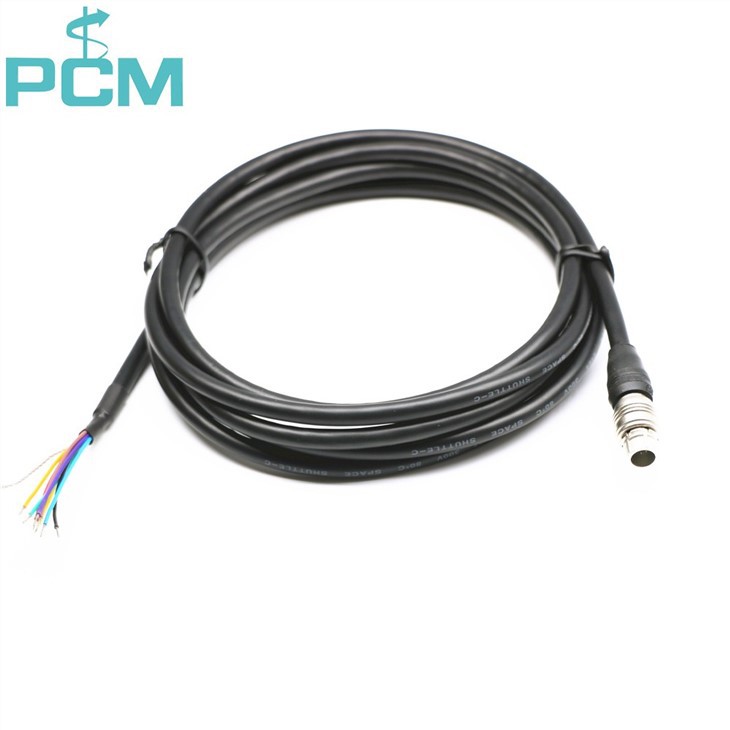
For example, the Hirose HR25-7TP-8S I/O for Machine Vision Camera Extension Cable is designed with materials that offer excellent fire resistance. This cable is commonly used in machine vision systems, where reliable performance and safety are essential. The UL 94-V0 rating ensures that the cable will not contribute to the spread of fire in case of an electrical fault or other fire-related incidents.
Similarly, the CCD Camera Power Cable and the HR10A-10P-12S 12Pin Female I/O Open End Cable for Machine Vision are also engineered to meet high flammability standards. These cables are used in critical applications where any fire hazard could have serious consequences. The UL 94-V0 rating provides peace of mind to customers, knowing that the cables are designed to minimize the risk of fire.
Factors Affecting Flammability
While Hirose Cable is designed to have a high flammability rating, it's important to note that several factors can affect the actual fire performance of the cable in real-world situations. These factors include:
- Environmental Conditions: Extreme temperatures, humidity, and exposure to chemicals can all impact the flammability of the cable. For example, high temperatures can cause the cable insulation to degrade, making it more susceptible to ignition.
- Installation and Usage: Improper installation, such as over-bending or pinching the cable, can damage the insulation and increase the risk of fire. Additionally, using the cable in applications beyond its rated capacity can generate excessive heat, which can also lead to ignition.
- Maintenance: Regular maintenance and inspection of the cable are essential to ensure its continued performance and safety. Any signs of damage or wear should be addressed immediately to prevent potential fire hazards.
Importance of Flammability Rating in Applications
The flammability rating of Hirose Cable is of utmost importance in various applications. Here are some examples:
- Electronics: In electronic devices, such as computers, servers, and consumer electronics, the use of cables with a high flammability rating is crucial to prevent fire hazards. A fire in an electronic device can not only damage the device itself but also pose a risk to the user and the surrounding environment.
- Automotive: In the automotive industry, cables are used in various systems, including the engine, electrical, and safety systems. The high flammability rating of Hirose Cable ensures that these cables can withstand the harsh conditions in a vehicle and minimize the risk of fire.
- Aerospace: In the aerospace industry, safety is of the highest priority. Cables used in aircraft must meet strict flammability requirements to ensure the safety of passengers and crew. The UL 94-V0 rating of Hirose Cable makes it suitable for use in aerospace applications.
Conclusion
In conclusion, the flammability rating of Hirose Cable is an important consideration for customers in various industries. Most Hirose Cables are designed to achieve a UL 94-V0 rating, which provides a high level of fire resistance and safety. However, it's important to consider the environmental conditions, installation, usage, and maintenance of the cable to ensure its continued performance and safety.
If you're interested in purchasing Hirose Cable for your application, I encourage you to contact us for more information and to discuss your specific requirements. Our team of experts can help you select the right cable for your needs and provide you with the support you need to ensure a successful installation.

References
- Underwriters Laboratories (UL). UL 94 Standard for Tests for Flammability of Plastic Materials for Parts in Devices and Appliances.
- Hirose Electric Co., Ltd. Product specifications and technical documentation.