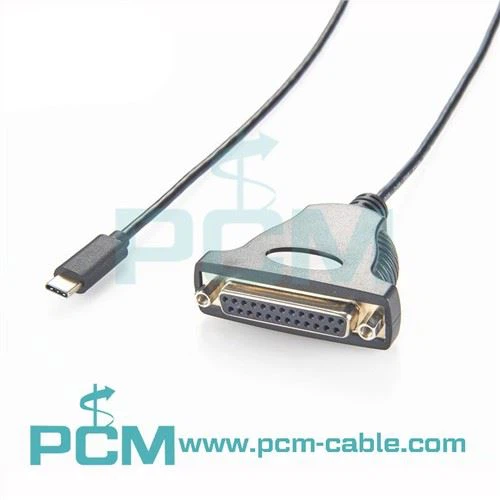
Electromagnetic interference (EMI) is a critical concern in the realm of electronic communication, especially when it comes to RS232 cables. As a leading supplier of RS232 cables, I've witnessed firsthand the impact of EMI on the performance of these essential communication tools. In this blog, I'll delve into what EMI is, how it affects RS232 cables, and what measures can be taken to mitigate its effects.
Understanding Electromagnetic Interference (EMI)
EMI refers to the disturbance that affects an electrical circuit due to either electromagnetic induction or electromagnetic radiation emitted from an external source. This interference can disrupt the normal operation of electronic devices, leading to errors, malfunctions, or even complete failure. EMI can originate from a variety of sources, including natural phenomena such as lightning, as well as man - made sources like power lines, radio transmitters, and other electronic devices.
There are two main types of EMI: conducted and radiated. Conducted EMI travels along power lines and signal cables, while radiated EMI is emitted into the air as electromagnetic waves. Both types can pose significant challenges to the reliable operation of RS232 cables.
How EMI Affects RS232 Cables
RS232 is a standard for serial communication that has been widely used for decades to connect devices such as computers, modems, and industrial equipment. RS232 cables transmit data in the form of electrical signals, and these signals are vulnerable to EMI.
When EMI affects an RS232 cable, it can cause several problems. One of the most common issues is signal distortion. The interference can alter the shape and amplitude of the electrical signals being transmitted, leading to errors in data reception. For example, a high - frequency electromagnetic wave can introduce noise into the signal, making it difficult for the receiving device to accurately interpret the data.
Another problem is crosstalk. In a multi - cable environment, EMI can cause signals from one cable to interfere with signals in adjacent cables. This can result in data corruption and reduced communication reliability. Additionally, EMI can increase the bit error rate (BER) of the RS232 communication, which means that more data packets need to be retransmitted, leading to slower communication speeds and reduced efficiency.
Sources of EMI for RS232 Cables
As mentioned earlier, EMI can come from both natural and man - made sources. Natural sources of EMI include solar flares and lightning strikes. Solar flares emit a large amount of electromagnetic radiation that can interfere with electronic systems on Earth. Lightning strikes generate powerful electromagnetic pulses that can travel through power lines and cables, causing damage to connected devices.
Man - made sources of EMI are more prevalent in modern environments. Power lines are a significant source of conducted EMI. The alternating current flowing through power lines generates electromagnetic fields that can couple with nearby RS232 cables. Radio frequency (RF) transmitters, such as cell phones, Wi - Fi routers, and radio stations, also emit electromagnetic waves that can interfere with RS232 communication. Industrial equipment, such as motors, generators, and welding machines, can produce high - levels of EMI due to their electrical switching operations.
Mitigating EMI in RS232 Cables
As an RS232 cable supplier, I understand the importance of providing solutions to minimize the impact of EMI. Here are some common methods for mitigating EMI in RS232 cables:
Shielding
One of the most effective ways to reduce EMI is to use shielded RS232 cables. A shielded cable has a conductive layer, usually made of metal foil or braided wire, that surrounds the signal conductors. The shield acts as a barrier, preventing external electromagnetic fields from penetrating the cable and interfering with the signals. There are different types of shielding, including foil shielding and braided shielding. Foil shielding provides good high - frequency protection, while braided shielding is more effective at low frequencies.
Twisted Pairs
Twisted pair cables are another common solution for reducing EMI. In a twisted pair cable, the two signal conductors are twisted together. This configuration helps to cancel out the electromagnetic interference because the induced currents in the two conductors are equal in magnitude but opposite in direction. Twisted pair cables are widely used in RS232 communication because they are cost - effective and provide good EMI protection.
Ferrite Beads
Ferrite beads are passive electronic components that can be used to suppress high - frequency EMI. They are made of a ferromagnetic material and are placed around the cable. Ferrite beads act as a low - pass filter, allowing low - frequency signals to pass through while attenuating high - frequency noise. By adding ferrite beads to an RS232 cable, the impact of high - frequency EMI can be significantly reduced.
Proper Grounding
Proper grounding is essential for reducing EMI in RS232 cables. A good ground connection provides a path for the electromagnetic interference to flow safely to the ground, rather than interfering with the signals in the cable. All components in the RS232 communication system, including the cables, devices, and connectors, should be properly grounded to minimize the risk of EMI.
Our Product Offerings
At our company, we offer a wide range of RS232 cables designed to minimize the impact of EMI. Our shielded RS232 cables use high - quality shielding materials to provide excellent protection against both conducted and radiated EMI. We also offer twisted pair RS232 cables that are optimized for reliable communication in noisy environments.
In addition to our standard RS232 cables, we also provide custom - made solutions to meet the specific needs of our customers. Whether you need a cable with a special length, connector type, or EMI protection level, our team of experts can design and manufacture a cable that meets your requirements.
We also offer other types of cables that are relevant to different industries. For example, we have a Waterproof Y Connector For Solar Street Light which is designed to provide a reliable connection for solar street lights in outdoor environments. Our Flex Resistant Camera Cable For High - Speed Camera is suitable for high - speed camera applications where flexibility and resistance to bending are crucial. And our Commercial Micro - D CMD Cable Assembly 9 Way is ideal for OEM applications that require a compact and reliable cable solution.
Conclusion
EMI is a significant challenge for RS232 cables, but with the right solutions, it can be effectively managed. As a supplier of RS232 cables, we are committed to providing our customers with high - quality cables that offer excellent EMI protection. Whether you are in the industrial, telecommunications, or consumer electronics industry, our products can help you ensure reliable and efficient communication.
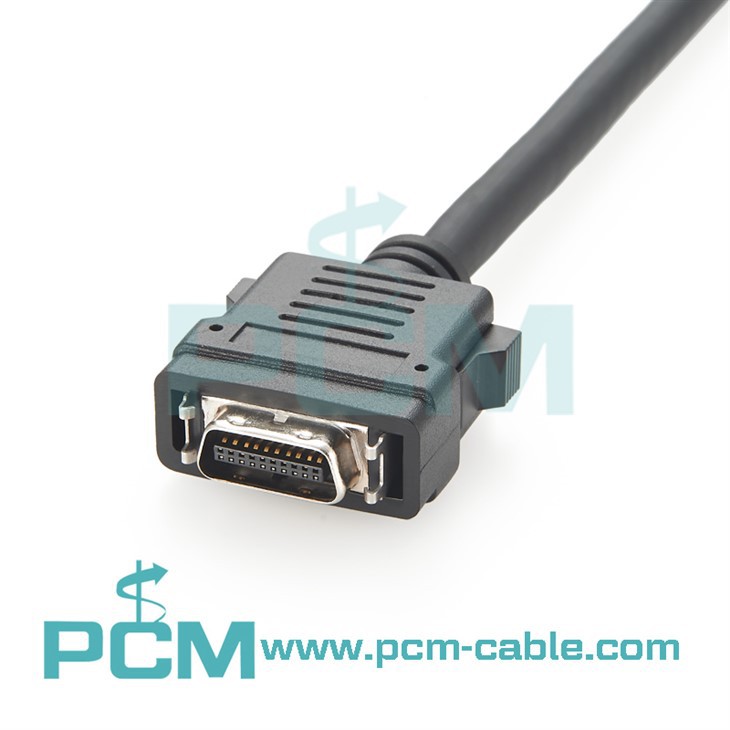

If you are interested in our RS232 cables or any of our other cable products, we encourage you to contact us for more information. Our sales team is ready to assist you with your cable needs and can provide you with detailed product specifications, pricing, and delivery options. Let's work together to find the best cable solutions for your applications.
References
- "Electromagnetic Compatibility Engineering" by Henry W. Ott
- "RS232 Standard and Applications" by various authors
- Technical documents from cable manufacturers on EMI mitigation techniques