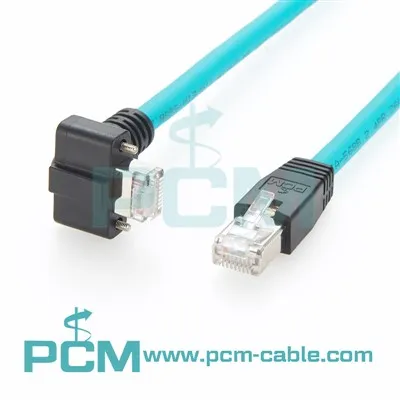
Hey there! As a supplier of Snake Cables, I often get asked about the cross - talk level of these cables. So, let's dive right into it and figure out what exactly the cross - talk level of Snake Cables is.
First off, what's cross - talk? Cross - talk is basically the unwanted transfer of signals between different channels within a cable. It's like when you're having a private conversation in a room, but someone else nearby can still hear bits and pieces of what you're saying. In the world of audio cables, cross - talk can mess up the quality of the sound. If you're recording or playing audio, cross - talk can introduce noise, interference, and unwanted signals from other channels.
Now, let's talk about Snake Cables. Snake Cables are multi - channel cables that are used to carry multiple audio signals from one place to another. They're commonly used in live sound setups, recording studios, and other audio applications. These cables are designed to handle a bunch of signals at once, but that also means there's a higher risk of cross - talk.
The cross - talk level of Snake Cables depends on a few factors. One of the main factors is the cable construction. High - quality Snake Cables are usually made with proper shielding. Shielding helps to reduce the electromagnetic interference (EMI) and radio - frequency interference (RFI) that can cause cross - talk. For example, cables with a thick layer of copper braid or foil shielding are better at preventing cross - talk compared to those with less shielding.
Another factor is the distance between the individual conductors within the cable. If the conductors are too close to each other, the signals can leak between them, leading to cross - talk. Good cable design ensures that there's enough space between the conductors to minimize this risk.
The quality of the insulation also plays a role. High - quality insulation can prevent the signals from bleeding into each other. It acts as a barrier between the conductors, keeping the signals separate.
Let's take a look at some of the Snake Cables we offer. We have the 4 - Channel Audio Snake RJ45 Female to XLR 2Males to 2Females. This cable is great for small - scale audio setups. It's designed to carry four channels of audio signals, and we've made sure to use high - quality shielding and insulation to keep the cross - talk level as low as possible.
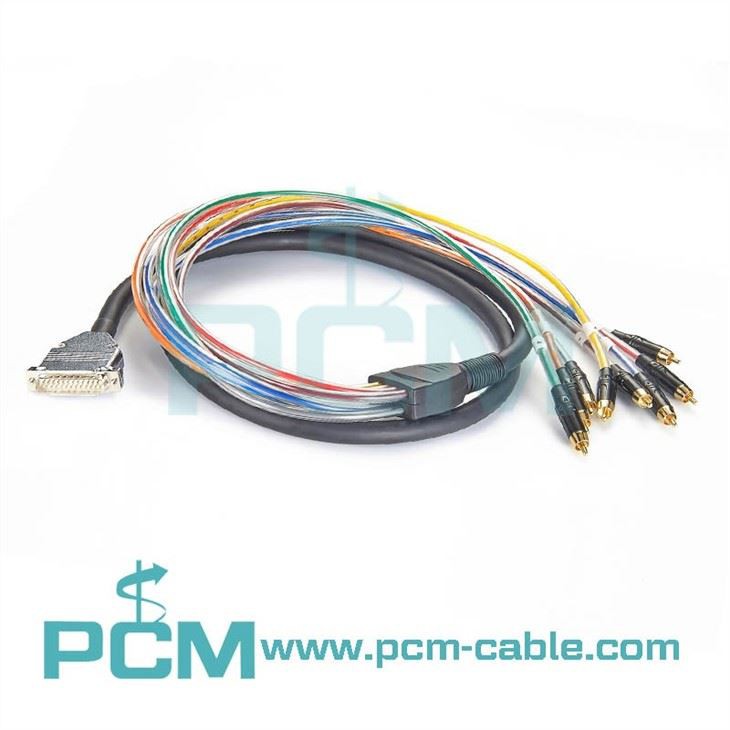
Then there's the Multicore analog snack cable Gold DB25 Sub - D High fidelity. This cable is a bit more heavy - duty. It's suitable for larger audio systems where you need to carry multiple signals over a longer distance. The gold - plated connectors and high - quality shielding make it a great choice for minimizing cross - talk.
And we also have the DB25 To RCA Snake. This cable is useful for connecting different types of audio equipment. Again, we've focused on the construction to reduce cross - talk and ensure high - quality audio transmission.

Measuring the cross - talk level of Snake Cables is usually done in decibels (dB). A lower dB value means less cross - talk. For example, a cross - talk level of - 80 dB is much better than a level of - 60 dB. When we test our Snake Cables, we aim for a very low cross - talk level to ensure that our customers get the best possible audio quality.
In a live sound situation, cross - talk can be a real problem. Imagine you're at a concert, and the sound from one instrument is bleeding into the channels of other instruments. It can make the whole mix sound muddy and unclear. That's why it's so important to have Snake Cables with a low cross - talk level.
In a recording studio, cross - talk can also cause issues. If you're recording multiple tracks at the same time, cross - talk can contaminate the individual tracks, making it harder to get a clean mix. Our Snake Cables are designed to minimize this problem, so you can focus on creating great music.
Now, if you're in the market for Snake Cables, you want to make sure you're getting the best quality. That means looking for cables with good shielding, proper insulation, and a low cross - talk level. We're here to help you with that. Whether you're a small - time musician setting up a home studio or a professional sound engineer working on large - scale events, we have the right Snake Cables for you.
If you're interested in learning more about our Snake Cables or have any questions about cross - talk levels, feel free to reach out. We're always happy to have a chat and help you find the perfect cable for your needs. We can also provide you with more technical details and specifications if you need them.
In conclusion, the cross - talk level of Snake Cables is an important factor to consider when choosing audio cables. By understanding what cross - talk is and how it can affect your audio quality, you can make a more informed decision. Our Snake Cables are designed with high - quality materials and construction to keep the cross - talk level low and ensure the best possible audio performance. So, if you're in the market for Snake Cables, don't hesitate to contact us for a discussion about your requirements.
References:
- General knowledge of audio cable technology and cross - talk principles.
- Product specifications and testing results of our Snake Cables.