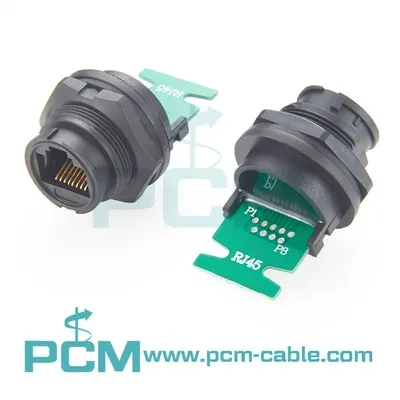
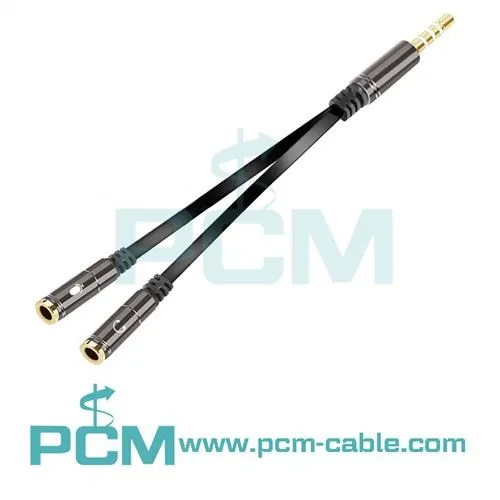
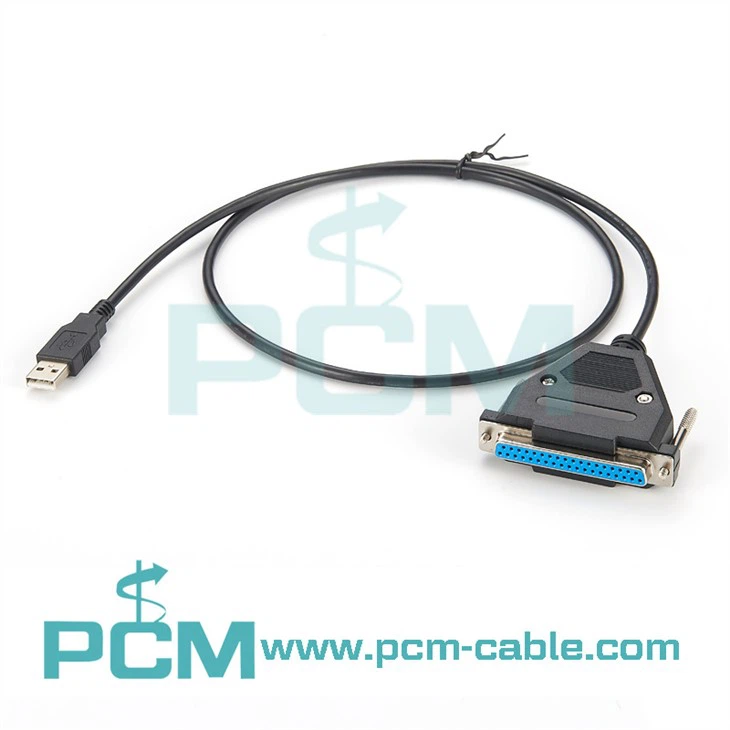
As a supplier of serial cables, ensuring the safety and compliance of our products is of utmost importance. Serial cables are widely used in various industries, including telecommunications, industrial automation, and computer networking. To meet the diverse needs of our customers, we offer a range of high-quality serial cables, such as the USB To DB37 PCIe Card Cable, PCI Express Card Serial Cable, and RS-232 Data Cable RJ45 To DB9 Pin. In this blog post, I will share some key points on how to comply with safety standards when using a serial cable.
Understanding Safety Standards
Before delving into the practical aspects of compliance, it is essential to understand the relevant safety standards. Different regions and industries may have specific requirements, but some common standards include the International Electrotechnical Commission (IEC) standards, such as IEC 60950 for information technology equipment and IEC 61010 for electrical equipment for measurement, control, and laboratory use. These standards cover various aspects of safety, including electrical safety, mechanical safety, and environmental safety.

Electrical Safety
One of the primary concerns when using a serial cable is electrical safety. Serial cables carry electrical signals, and improper handling or installation can pose a risk of electric shock, short circuits, or damage to equipment. Here are some key points to ensure electrical safety:
- Insulation: Ensure that the serial cable has proper insulation to prevent electrical leakage. The insulation should be intact and free from cuts, abrasions, or other damage.
- Voltage Rating: Use a serial cable with a voltage rating that is suitable for the application. Exceeding the voltage rating can cause the cable to overheat or fail, leading to safety hazards.
- Grounding: Proper grounding is crucial for electrical safety. Make sure that the serial cable is properly grounded to prevent electrostatic discharge (ESD) and to protect against electrical interference.
- Avoid Overloading: Do not overload the serial cable by connecting too many devices or by using it in a high-current application. Overloading can cause the cable to overheat and increase the risk of fire or electrical damage.
Mechanical Safety
In addition to electrical safety, mechanical safety is also important when using a serial cable. Serial cables are often subject to bending, pulling, and other mechanical stresses, which can cause damage to the cable or its connectors. Here are some tips to ensure mechanical safety:
- Proper Installation: Install the serial cable correctly, following the manufacturer's instructions. Avoid sharp bends or kinks in the cable, as these can damage the internal conductors.
- Strain Relief: Use strain relief devices, such as cable ties or clamps, to prevent excessive stress on the cable connectors. Strain relief helps to protect the connectors from damage and ensures a reliable connection.
- Connector Protection: Protect the cable connectors from damage by using dust caps or other protective covers when the cable is not in use. This helps to prevent dirt, moisture, or other contaminants from entering the connectors and causing damage.
- Regular Inspection: Regularly inspect the serial cable for signs of wear or damage. Look for frayed wires, loose connectors, or other visible defects. If any damage is found, replace the cable immediately.
Environmental Safety
The environment in which the serial cable is used can also affect its safety and performance. Serial cables may be exposed to various environmental factors, such as temperature, humidity, and chemicals. Here are some considerations for environmental safety:
- Temperature Range: Use a serial cable with a temperature range that is suitable for the application. Extreme temperatures can cause the cable to become brittle or lose its flexibility, leading to damage.
- Humidity: High humidity can cause corrosion and damage to the cable connectors. If the serial cable is used in a humid environment, consider using a cable with a moisture-resistant coating or enclosure.
- Chemical Exposure: Avoid exposing the serial cable to chemicals, solvents, or other corrosive substances. These can damage the cable insulation or connectors and reduce its performance.
- UV Protection: If the serial cable is used outdoors or in an environment with exposure to sunlight, use a cable with UV protection to prevent the cable from deteriorating due to UV radiation.
Training and Education
Another important aspect of complying with safety standards is training and education. Ensure that all personnel who handle or use serial cables are properly trained on safety procedures and best practices. Provide training on topics such as electrical safety, mechanical safety, and proper installation and maintenance of serial cables. This helps to ensure that everyone is aware of the potential risks and knows how to take appropriate precautions.
Documentation and Certification
To demonstrate compliance with safety standards, it is important to maintain proper documentation and certification. Keep records of the serial cable's specifications, test reports, and other relevant information. Ensure that the serial cable has been tested and certified by a recognized testing laboratory to meet the applicable safety standards. This documentation can be useful for regulatory compliance, quality control, and customer assurance.
Conclusion
Complying with safety standards when using a serial cable is essential to ensure the safety of personnel and equipment. By following the tips and guidelines outlined in this blog post, you can minimize the risk of electrical hazards, mechanical damage, and environmental issues. As a serial cable supplier, we are committed to providing high-quality products that meet the highest safety standards. If you have any questions or need further information about our serial cables or safety compliance, please feel free to contact us. We look forward to working with you to meet your serial cable needs.
References
- International Electrotechnical Commission (IEC). IEC 60950: Information technology equipment - Safety.
- International Electrotechnical Commission (IEC). IEC 61010: Electrical equipment for measurement, control, and laboratory use - Safety requirements.