Snake cables, also known as multi - core cables, have become an integral part of the audio and instrumentation industry. These cables are designed to carry multiple audio or electrical signals in a single, bundled cable, making them highly convenient for various setups. As a snake cables supplier, I often encounter the question: "Can snake cables be used for instrument connections?" In this blog, I aim to provide a comprehensive and scientific answer to this question.
Understanding Snake Cables
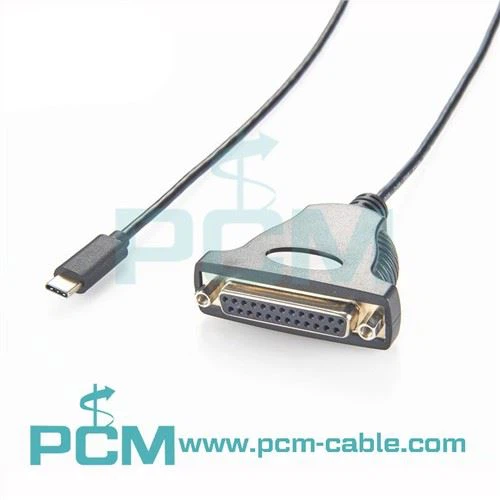
Snake cables typically consist of multiple individual conductors bundled together within a single outer sheath. These conductors can be used to transmit different types of signals, such as audio, video, or electrical control signals. The number of conductors and the type of connectors at each end can vary widely depending on the specific application. For example, a DB25 To 8 XLR Female Audio Snake Cable is designed to convert a single DB25 connector into eight XLR female connectors, allowing for the transmission of multiple audio signals.
Advantages of Using Snake Cables for Instrument Connections
1. Convenience and Organization
One of the most significant advantages of using snake cables for instrument connections is the convenience they offer. Instead of running multiple individual cables from each instrument to the mixing console or other audio equipment, a single snake cable can be used to connect multiple instruments simultaneously. This not only reduces the amount of cable clutter but also makes the setup and teardown process much faster and more efficient.
2. Signal Integrity
Snake cables are often designed with high - quality conductors and shielding to minimize signal interference and noise. This is particularly important for instrument connections, as instruments such as guitars, basses, and keyboards can produce relatively weak signals that are susceptible to interference. By using a well - shielded snake cable, the integrity of the instrument signals can be maintained, resulting in a cleaner and more professional sound.
3. Cost - Efficiency
In the long run, using snake cables can be more cost - efficient than purchasing multiple individual cables. Since a single snake cable can replace multiple cables, the overall cost of the cable system is reduced. Additionally, the reduced cable clutter can also lead to lower maintenance costs, as there are fewer cables to manage and potentially repair.


Types of Instruments Suitable for Snake Cable Connections
1. Musical Instruments
Snake cables are commonly used to connect musical instruments to mixing consoles or audio interfaces. Instruments such as acoustic and electric guitars, bass guitars, keyboards, and percussion instruments can all be connected using snake cables. For example, an Analog DB25/TRS Patch Snake can be used to connect a variety of instruments with different types of connectors to a central audio system.
2. Test and Measurement Instruments
In addition to musical instruments, snake cables can also be used for connecting test and measurement instruments. Instruments such as oscilloscopes, signal generators, and multimeters can benefit from the use of snake cables to simplify the wiring process and ensure accurate signal transmission.
3. Lighting and Stage Equipment
Snake cables are also used in the lighting and stage equipment industry. They can be used to connect lighting fixtures, dimmers, and other stage equipment to a central control panel, allowing for easy management and control of the lighting system.
Considerations When Using Snake Cables for Instrument Connections
1. Cable Length
The length of the snake cable can have a significant impact on the signal quality. Longer cables can introduce more resistance and capacitance, which can cause signal attenuation and distortion. Therefore, it is important to choose the appropriate cable length based on the specific application. If a long cable is required, it may be necessary to use high - quality cables with low resistance and capacitance to minimize the effects of signal loss.
2. Connector Compatibility
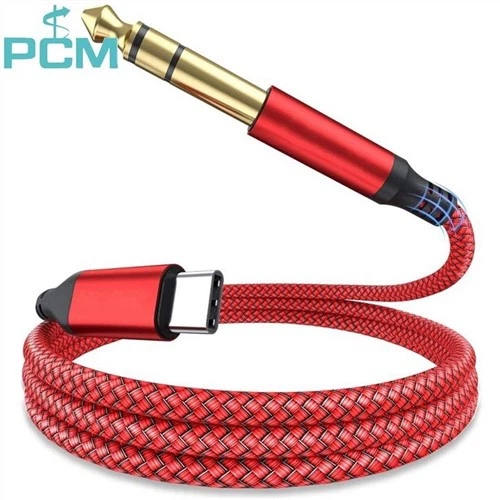
Another important consideration is the compatibility of the connectors. Different instruments and audio equipment may use different types of connectors, such as XLR, TRS, or DB25. It is essential to ensure that the snake cable has the appropriate connectors at both ends to match the instruments and equipment being used. For example, a DB25 To 4XLR M 4XLR F Tascam Compatible Cable is specifically designed to be compatible with Tascam equipment.
3. Signal Type
The type of signal being transmitted also needs to be considered. Different snake cables are designed to handle different types of signals, such as analog or digital signals. It is important to choose a snake cable that is suitable for the specific type of signal being used to ensure optimal performance.
Conclusion
In conclusion, snake cables can indeed be used for instrument connections, and they offer numerous advantages in terms of convenience, signal integrity, and cost - efficiency. However, it is important to consider factors such as cable length, connector compatibility, and signal type when using snake cables for instrument connections. As a snake cables supplier, I am committed to providing high - quality snake cables that meet the diverse needs of our customers.
If you are interested in purchasing snake cables for your instrument connections or have any questions about our products, please feel free to reach out to us. We are more than happy to assist you in finding the right snake cable solutions for your specific requirements.
References
- "Audio Engineering Handbook" by Glen Ballou
- "Cabling: The Complete Guide to Network Wiring" by Andrew S. Tanenbaum