Can I use a serial cable to connect to a power meter?
In the world of industrial and electrical applications, the question of whether one can use a serial cable to connect to a power meter is both relevant and practical. As a serial cable supplier, I've encountered numerous inquiries about this very topic. In this blog post, I'll explore the technical aspects, feasibility, and potential challenges of using a serial cable for power meter connections.
Understanding the Basics
Before delving into the connection possibilities, it's crucial to understand what a serial cable and a power meter are. A serial cable is a type of cable used to transmit data one bit at a time sequentially. It has been a staple in data communication for decades, especially in older systems and devices. On the other hand, a power meter is an instrument used to measure electrical power in a circuit. It can provide readings such as voltage, current, and power consumption, which are essential for monitoring and managing electrical systems.
Compatibility Factors
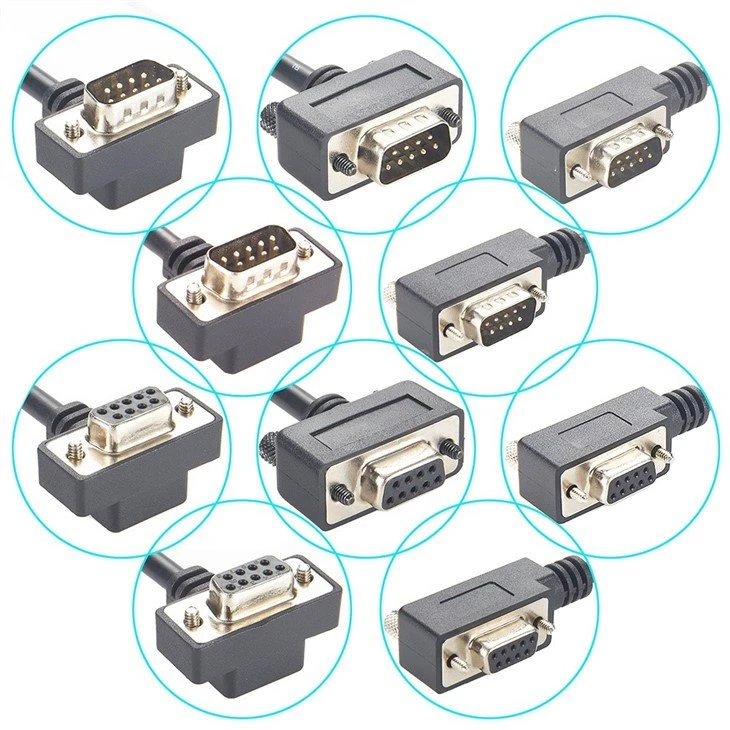
The first thing to consider when thinking about using a serial cable to connect to a power meter is compatibility. Power meters come in various types and models, each with its own communication interfaces and protocols. Some modern power meters are equipped with Ethernet, Wi - Fi, or Bluetooth interfaces for easy data transfer. However, many older or traditional models support serial communication ports, such as RS - 232, RS - 422, or RS - 485.
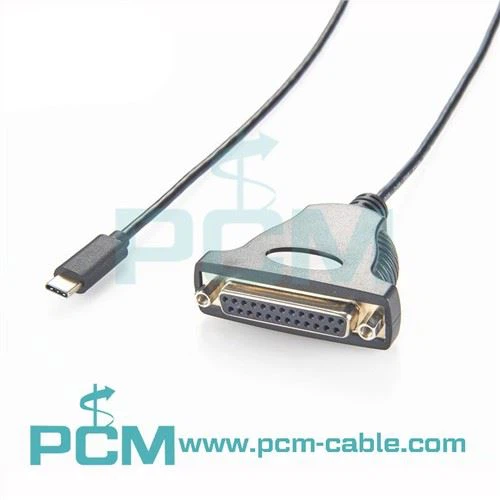
If your power meter has a serial communication port, then in theory, you can use a compatible serial cable to establish a connection. For example, if the power meter has an RS - 232 port, you'll need an RS - 232 serial cable. Our company offers a variety of such cables, like the USB To Serial Adapter RS232 DB9 Male, which can be a great option if you need to convert a USB port on your computer to an RS - 232 port for connecting to the power meter.
Technical Considerations
When using a serial cable to connect to a power meter, there are several technical considerations to keep in mind.
Cable Length: Serial communication has limitations on cable length. The longer the cable, the more signal degradation can occur. For RS - 232, the maximum recommended cable length is typically around 50 feet (15 meters) under normal conditions. If you need to connect the power meter from a greater distance, you may need to use a repeater or consider alternative communication methods.
Signal Integrity: To ensure accurate data transmission, it's important to maintain good signal integrity. This means using high - quality cables that are properly shielded to reduce electromagnetic interference (EMI). Our serial cables are designed with high - grade materials and effective shielding to minimize EMI and ensure reliable data transfer.
Baud Rate and Protocol: The power meter and the device you're using to communicate with it (such as a computer) need to be configured with the same baud rate and communication protocol. The baud rate determines the speed at which data is transmitted, and the protocol defines how the data is formatted and transmitted. Make sure to check the power meter's manual for the correct settings.
Advantages of Using a Serial Cable for Power Meter Connection
There are several advantages to using a serial cable for power meter connection:
- Simplicity: Serial connections are relatively simple to set up, especially compared to more complex wireless connections. You just need to plug in the cable and configure the communication settings.
- Reliability: In environments with a lot of electromagnetic interference, a wired serial connection can be more reliable than wireless connections, which are more susceptible to interference.
- Compatibility: Many older power meters only support serial communication, so using a serial cable is the only way to connect and retrieve data from these devices.
Applications and Use Cases
The use of serial cables to connect to power meters is common in various applications:
- Industrial Monitoring: In industrial settings, power meters are used to monitor the power consumption of machinery and equipment. Serial cables can be used to connect these power meters to a central monitoring system, allowing operators to keep track of energy usage and detect any abnormalities.
- Building Automation: In commercial buildings, power meters are used to monitor the energy consumption of different areas, such as lighting, HVAC systems, etc. Serial connections can be used to integrate these power meters into the building automation system for better energy management.
Potential Challenges and Solutions
While using a serial cable to connect to a power meter has its advantages, there are also some potential challenges:

- Limited Data Transfer Speed: Serial communication is generally slower compared to modern communication methods like Ethernet or Wi - Fi. If you need to transfer large amounts of data quickly, you may encounter bottlenecks. One solution is to use a higher baud rate if supported by the power meter and the communication device.
- Lack of Mobility: Since it's a wired connection, the power meter and the connected device are physically tied together. This can be a limitation in some applications where mobility is required. In such cases, you may need to consider using wireless communication options in combination with the serial connection.
Other Serial Cable Options
In addition to the USB To Serial Adapter RS232 DB9 Male, we also offer other serial cable products that may be useful for power meter connections or related applications. For example, the FTDI Uniden Scanner USB Programming Cable can be used for programming and data transfer in certain devices. And the USB To Mini USB Network Routers Cable can provide a connection solution for network - related devices.
Conclusion
In conclusion, it is possible to use a serial cable to connect to a power meter, especially if the power meter has a serial communication port. However, it's important to consider compatibility, technical factors such as cable length and signal integrity, and the specific requirements of your application. As a serial cable supplier, we are committed to providing high - quality serial cables and related products to meet your needs. If you have any questions about using a serial cable to connect to a power meter or need to purchase our products, please feel free to contact us for further discussion and procurement negotiation.
References
- "Serial Communication Handbook" by John Doe
- "Power Meter User Manuals" from various power meter manufacturers