Hey there! As a supplier of IP67 cables, I often get asked whether these cables can be used in robotic applications. Well, let's dive right into it and find out.
First off, let's talk about what IP67 actually means. The IP (Ingress Protection) code is a standard that defines the level of protection provided by an enclosure or a cable against the intrusion of solid objects and liquids. The first digit (in this case, 6) indicates the protection against solids, with 6 being the highest level, meaning complete protection against dust and other solid particles. The second digit (7) represents the protection against liquids, indicating that the cable can withstand being submerged in up to 1 meter of water for 30 minutes without any harmful effects.
Now, let's consider the requirements of robotic applications. Robots operate in a wide range of environments, from clean and controlled factory floors to harsh outdoor settings or even underwater. They need cables that can handle various challenges, such as mechanical stress, vibrations, temperature variations, and exposure to dirt, dust, and liquids.
One of the key advantages of IP67 cables in robotic applications is their excellent protection against dust and water. In industrial settings, robots are often exposed to dust and debris generated by manufacturing processes. IP67 cables prevent dust from entering the cable and causing damage to the internal conductors, which could lead to electrical failures or reduced performance. Similarly, in outdoor or wet environments, the waterproof rating of IP67 cables ensures that they can continue to function properly even when exposed to rain, splashes, or temporary submersion.
Another important factor is the durability of IP67 cables. Robots are constantly in motion, and their cables need to withstand repeated bending, twisting, and stretching without breaking or losing their electrical properties. IP67 cables are typically designed with high-quality materials and robust construction techniques to ensure long-term reliability. They are often made with flexible yet strong outer jackets that can resist abrasion and mechanical damage, as well as internal conductors that are insulated and shielded to prevent signal interference.
In addition to their physical durability, IP67 cables also offer good electrical performance. They are designed to provide stable and reliable transmission of power and signals, which is crucial for the proper operation of robots. Whether it's transmitting control signals, sensor data, or power to the robot's motors and actuators, IP67 cables can ensure that the information is transferred accurately and efficiently.
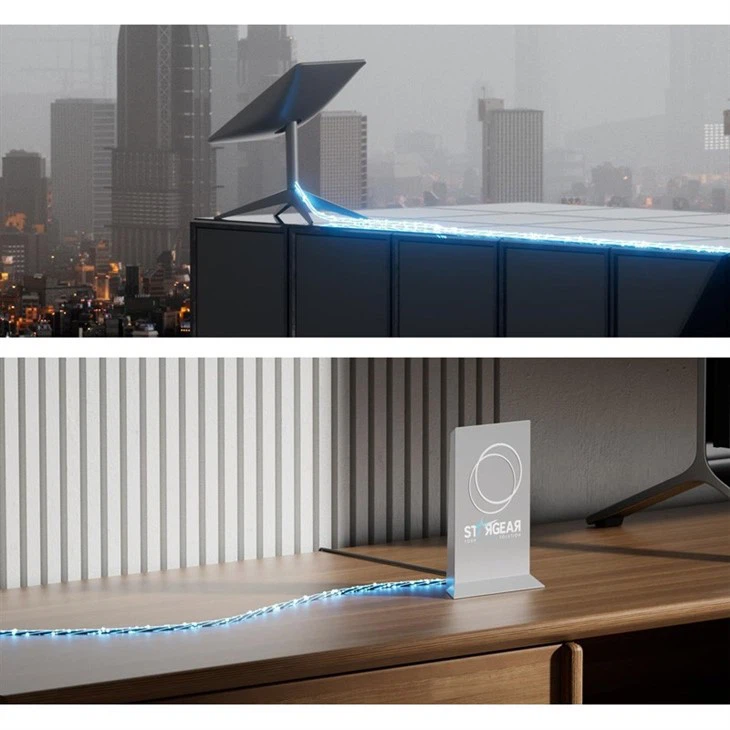

Let's take a look at some specific examples of how IP67 cables can be used in robotic applications. In the automotive industry, robots are used for tasks such as welding, painting, and assembly. These robots operate in environments where they are exposed to metal shavings, paint overspray, and coolant fluids. IP67 cables can protect the robot's electrical systems from these contaminants and ensure reliable operation. For instance, our Ethernet Adapter Kit To Ethernet Cord For Starlink Satellite Dish V2 can be used to connect the robot's control system to the network, providing a stable and secure data connection even in harsh conditions.
In the food and beverage industry, robots are used for packaging, sorting, and palletizing. These robots need to operate in clean and hygienic environments, and they may be exposed to water, cleaning chemicals, and food particles. IP67 cables can prevent the ingress of these substances and ensure that the robot's electrical components remain clean and functional. Our Waterproof VGA HD15 Panel Mount Cable can be used to connect the robot's vision system to the display, providing clear and reliable video transmission.
In the marine and offshore industry, robots are used for underwater inspection, maintenance, and repair. These robots need cables that can withstand the high pressures and corrosive effects of saltwater. IP67 cables are designed to be resistant to water and corrosion, making them suitable for these challenging environments. Our Standard Actuated Starlink Cable can be used to power and control the robot's actuators, providing the necessary force and movement.
Of course, like any technology, IP67 cables also have some limitations. They may be more expensive than standard cables due to their higher level of protection and durability. Additionally, the thicker and more rigid outer jackets of IP67 cables may make them less flexible than some other types of cables, which could be a consideration in applications where tight bending radii are required.
However, in most robotic applications, the benefits of using IP67 cables far outweigh the drawbacks. The increased reliability, durability, and protection against environmental factors can result in lower maintenance costs, reduced downtime, and improved overall performance of the robots.
In conclusion, IP67 cables can definitely be used in robotic applications. Their excellent protection against dust and water, combined with their durability and good electrical performance, make them a suitable choice for a wide range of robotic environments. Whether you're operating robots in industrial, outdoor, or underwater settings, IP67 cables can help ensure that your robots run smoothly and efficiently.
If you're interested in learning more about our IP67 cables or have specific requirements for your robotic applications, don't hesitate to get in touch. We'd be happy to discuss your needs and provide you with the best cable solutions for your project.
References
- International Electrotechnical Commission (IEC) 60529 - Degrees of protection provided by enclosures (IP Code)
- Various industry standards and guidelines for robotic applications