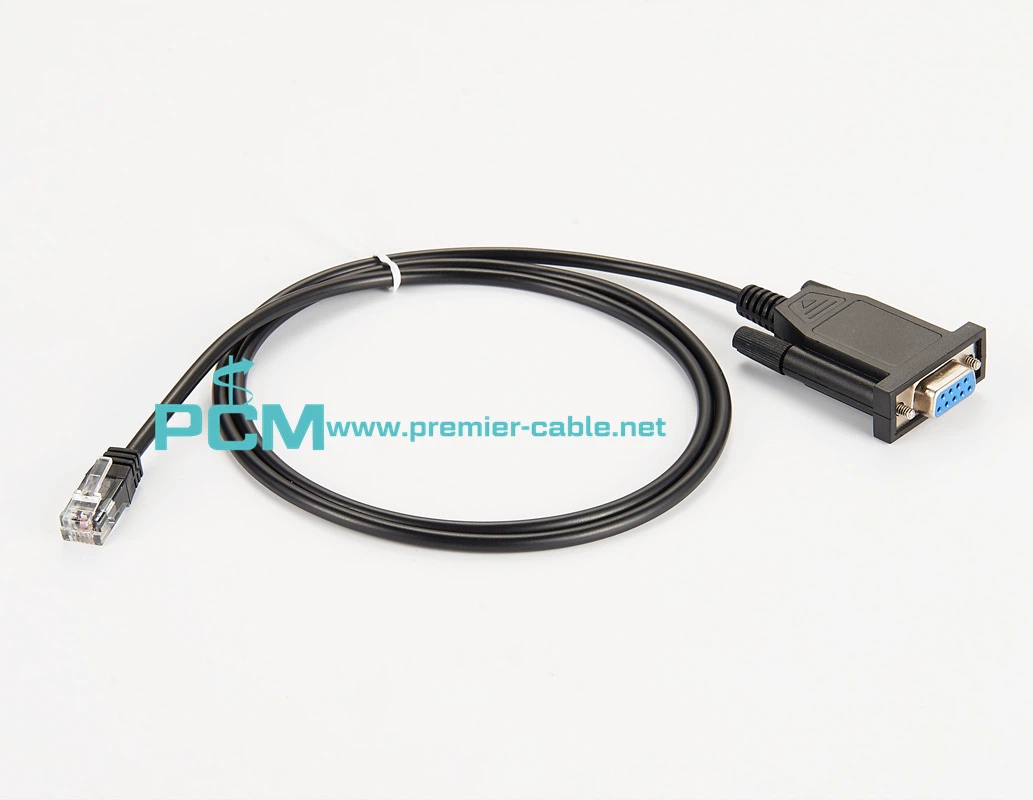
RJ12 is the most common, being used on flat line cords that connect the base of a telephone to the wall. RJ11 is an older version of RJ12, and they are the same size, So RJ12 is backward compatible with RJ11. RJ 12 has 6 Positions and 6 Connectors. The RJ 12 uses Cat3 or Cat 5 wiring
Telephone cables are made using modular connectors. These are connectors that were designed to be used with registered jack (RJ) twisted-pair cables. The original modular jacks were invented by AT&T in the 1960s and used for some telephones. Over time they caught on and eventually became industry-standard in the 1970s.
Each type of modular connector has an RJ designation, but can also be referred to as “#P#C”. The first number is the number of metal pins (P) inside the connector. The second number is how many of those pins are actually connected to wires. Connected pins are called contacts (C). Modern telephones use either RJ11 (6P4C) or RJ12 (6P6C). Having more wires inside the telephone cable allows more signal pairs to run through a single cable, such as having a telephone and fax machine both hooked up through one line. The extra number of wires in the newer RJ12 also makes it backward compatible with RJ11 (on the flip side, RJ11 is not forward compatible with RJ12).