What is the current - carrying capacity of IP67 cables?
As a supplier of IP67 cables, I often encounter questions from customers regarding the current - carrying capacity of these cables. IP67 cables are known for their high - level protection against dust and water ingress, making them suitable for a wide range of harsh environments. However, understanding their current - carrying capacity is crucial for ensuring safe and efficient electrical systems.
Understanding IP67 Rating
Before delving into the current - carrying capacity, it's essential to understand what the IP67 rating means. The International Protection (IP) code is a standard that classifies the degree of protection provided by enclosures. The first digit (6 in this case) indicates the level of protection against solid objects, with 6 meaning complete protection against dust ingress. The second digit (7) represents the protection against water, and a rating of 7 means that the cable can withstand immersion in water up to 1 meter for 30 minutes without harmful effects.
Factors Affecting Current - Carrying Capacity
The current - carrying capacity of an IP67 cable is influenced by several factors:
Conductor Material
The most common conductor materials used in IP67 cables are copper and aluminum. Copper has a higher electrical conductivity compared to aluminum, which means that for the same cross - sectional area, a copper cable can carry more current. Copper also has better corrosion resistance, which is important in harsh environments where IP67 cables are often used.
Conductor Cross - Sectional Area
The larger the cross - sectional area of the conductor, the higher the current - carrying capacity. This is because a larger area provides less resistance to the flow of electric current. For example, a cable with a 6 mm² cross - sectional area can carry more current than a cable with a 2.5 mm² cross - sectional area.
Ambient Temperature
The ambient temperature in which the cable is installed has a significant impact on its current - carrying capacity. As the temperature increases, the resistance of the conductor also increases, which reduces the cable's ability to carry current. In high - temperature environments, derating factors need to be applied to the cable's rated current - carrying capacity.
Installation Method
The way the cable is installed can also affect its current - carrying capacity. Cables installed in free air have better heat dissipation compared to cables installed in conduits or buried in the ground. Therefore, cables installed in free air can generally carry more current than those installed in enclosed spaces.
Calculating Current - Carrying Capacity
To calculate the current - carrying capacity of an IP67 cable, one can refer to international standards such as the International Electrotechnical Commission (IEC) standards. These standards provide tables that list the current - carrying capacities of different cable sizes and types based on various installation conditions and ambient temperatures.
For example, according to IEC 60364 - 5 - 52, a single - core copper cable with a cross - sectional area of 2.5 mm² installed in free air at an ambient temperature of 30°C has a current - carrying capacity of approximately 27 A. However, if the same cable is installed in a conduit with three other cables and the ambient temperature is 40°C, the current - carrying capacity will be reduced due to the reduced heat dissipation and higher ambient temperature.
Applications and Current - Carrying Requirements
IP67 cables are used in a variety of applications, each with its own current - carrying requirements:
Industrial Automation
In industrial automation systems, IP67 cables are used to connect sensors, actuators, and other control devices. These applications typically require relatively low currents, usually in the range of a few amperes. For example, a standard sensor may draw only a few milliamperes of current, while an actuator may require a few amperes.
Outdoor Lighting
Outdoor lighting systems often use IP67 cables to ensure protection against the elements. The current - carrying requirements for outdoor lighting depend on the type and number of lights. For example, a single LED floodlight may require a few amperes of current, while a large - scale outdoor lighting installation may require higher currents.
Marine and Offshore Applications
In marine and offshore environments, IP67 cables are used for power distribution, communication, and control systems. These applications often require high - current - carrying capacities due to the large electrical loads involved. For example, a large marine vessel may require cables capable of carrying hundreds of amperes of current.
Our IP67 Cable Products
As an IP67 cable supplier, we offer a wide range of products to meet different current - carrying requirements. Our cables are made from high - quality materials and are designed to provide reliable performance in harsh environments.
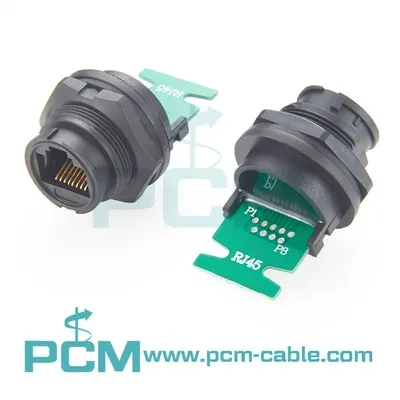
We have Starlink Cable SPX To RJ45 Adapters, which are suitable for applications that require the conversion of Starlink cables to RJ45 connections. These adapters are IP67 rated, ensuring protection against dust and water.
Our Starlink SPX Plug To RJ45 Adapters Waterproof Starlink Cable is another popular product. It combines the waterproof features of an IP67 cable with the functionality of a Starlink adapter, making it ideal for outdoor and marine applications.
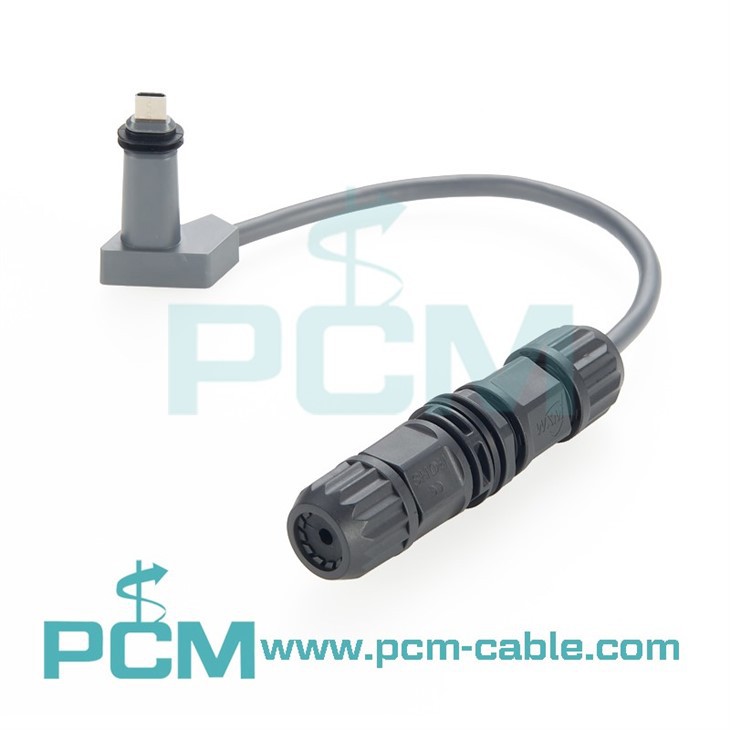
We also offer Standard Actuated Starlink Cable, which is designed for use in industrial automation systems. This cable has a suitable current - carrying capacity for actuators and other control devices in these systems.
Contact Us for Procurement
If you are in need of IP67 cables for your project, we are here to help. Our team of experts can assist you in selecting the right cable based on your current - carrying requirements, application environment, and other factors. We can also provide technical support and advice to ensure that your electrical system operates safely and efficiently.

Whether you are working on an industrial automation project, an outdoor lighting installation, or a marine application, we have the IP67 cables you need. Contact us today to start the procurement process and discuss your specific needs.
References
- International Electrotechnical Commission (IEC). IEC 60364 - 5 - 52: Low - voltage electrical installations - Part 5 - 52: Selection and erection of electrical equipment - Wiring systems.
- National Electrical Code (NEC). NEC 310: Conductors for General Wiring.