TT patch cables are essential components in audio setups, whether in professional studios, live sound environments, or home recording setups. These cables are used to connect various audio devices, such as synthesizers, mixers, and effects units. However, one of the most common problems faced by users of TT patch cables is cable tangling. Tangled cables not only look messy but can also lead to signal interference, cable damage, and difficulty in identifying and accessing specific cables. As a TT patch cables supplier, I understand the importance of keeping these cables organized and untangled. In this blog post, I will share some effective methods to secure TT patch cables and prevent tangling.
1. Use Cable Ties and Clips
One of the simplest and most effective ways to secure TT patch cables is by using cable ties and clips. Cable ties are inexpensive and come in various sizes and colors. You can use them to bundle multiple cables together at regular intervals. This not only keeps the cables organized but also makes it easier to manage them. For example, if you have a rack of audio equipment with multiple TT patch cables running between them, you can use cable ties to group the cables according to their function or the equipment they connect.
Cable clips, on the other hand, are useful for attaching cables to surfaces such as desks, racks, or walls. They come in different types, including adhesive clips and screw - on clips. Adhesive clips are easy to install and can be removed without leaving much residue. Screw - on clips, on the other hand, provide a more permanent and secure attachment. By using cable clips, you can keep the cables in place and prevent them from moving around and getting tangled.
When using cable ties and clips, make sure not to overtighten the cable ties as this can damage the cables. Also, choose the right size of cable ties and clips for your cables to ensure a proper fit.
2. Implement Cable Management Systems
For more complex audio setups, a cable management system is highly recommended. A cable management system typically consists of cable trays, raceways, and ducts. These systems provide a structured way to route and organize TT patch cables.
Cable trays are open - bottomed structures that can hold multiple cables. They are often used in racks to keep the cables neatly arranged. Raceways, on the other hand, are enclosed channels that can protect the cables from dust, debris, and physical damage. Ducts are larger enclosures that can be used to route cables over longer distances.
When installing a cable management system, plan the cable routes carefully. Consider the length of the cables, the location of the equipment, and the future expansion of the audio setup. Label the cables at both ends and also on the cable management system to make it easier to identify and troubleshoot any issues.
3. Color - Coding the Cables
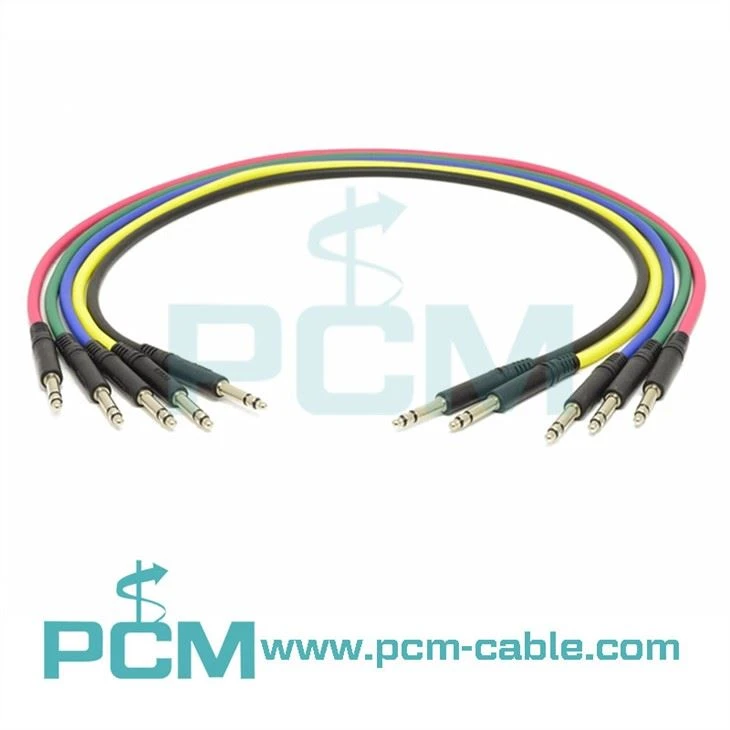
Color - coding is a great way to organize TT patch cables and prevent tangling. By assigning a specific color to each type of cable or each connection, you can quickly identify the cables and their functions. For example, you can use red cables for audio inputs, blue cables for audio outputs, and green cables for power connections.
Color - coding not only makes it easier to manage the cables but also reduces the chances of making incorrect connections. You can use colored cable sleeves or heat - shrink tubing to color - code the cables. These materials are easy to apply and can be found in a wide range of colors.
4. Proper Coiling Techniques
When coiling TT patch cables, it is important to use the right technique to prevent tangling. The figure - eight coiling method is one of the best ways to coil cables. Start by making a loop with the cable, then cross the cable over itself to form an eight - shaped coil. Continue making loops in this way until the entire cable is coiled.
The figure - eight coiling method helps to prevent the cable from twisting and tangling. It also makes it easier to uncoil the cable when needed. Another important tip is to avoid over - coiling the cable. Leave a little slack in the coil to prevent the cable from becoming too tight and causing damage.
5. Use Cable Reels and Wraps
Cable reels and wraps are convenient tools for storing and managing TT patch cables. Cable reels allow you to wind the cable neatly onto a spool. They come in different sizes and can be used for both short and long cables. Some cable reels even have a locking mechanism to keep the cable in place.
Cable wraps, on the other hand, are flexible tubes that can be used to enclose the cable. They provide a protective layer for the cable and also help to keep it organized. You can easily slide the cable in and out of the wrap, making it convenient for use.

6. Regular Maintenance and Inspection
Regular maintenance and inspection of TT patch cables are essential to prevent tangling and ensure their proper functioning. Check the cables regularly for any signs of damage, such as fraying, cuts, or loose connectors. If you find any damaged cables, replace them immediately to avoid signal loss or interference.
During the inspection, also check the cable management system, cable ties, and clips. Make sure they are still in good condition and securely holding the cables. If any of these components are loose or damaged, replace them as soon as possible.
Our Product Range
As a TT patch cables supplier, we offer a wide range of high - quality TT patch cables to meet your audio needs. Our TT To 1 4 TRS Cable is designed for seamless connection between different audio devices. It provides excellent signal transmission and is built to last.
Our Mini - Quad Gold Plated TT Cables are perfect for applications where space is limited. The gold - plated connectors ensure a reliable and corrosion - resistant connection.
If you are looking for a cable for studio use, our TT To TRS Studio Patch Cable is an ideal choice. It is designed to meet the high - quality standards required in professional audio studios.
Conclusion
Securing TT patch cables to prevent tangling is crucial for maintaining a clean, organized, and functional audio setup. By using cable ties and clips, implementing cable management systems, color - coding the cables, using proper coiling techniques, cable reels and wraps, and conducting regular maintenance and inspection, you can keep your TT patch cables in good condition and free from tangles.
If you are interested in purchasing high - quality TT patch cables or have any questions about cable management, please feel free to contact us. We are more than happy to assist you in finding the right solutions for your audio setup.
References
- "Audio Cable Management Best Practices" by Audio Engineering Society
- "Cable Installation and Maintenance Guide" by Professional Audio Manufacturers Association