In the realm of radio frequency (RF) technology, RF jumper cables play a pivotal role in ensuring seamless signal transmission. As a dedicated RF jumper cable supplier, I've witnessed firsthand the diverse needs of customers and the factors that influence the cost of these essential components. In this blog post, I'll delve into the various elements that contribute to the cost of an RF jumper cable, providing insights that can help you make informed decisions when it comes to purchasing.
Understanding the Basics of RF Jumper Cables
Before we explore the cost factors, let's briefly understand what RF jumper cables are. These cables are used to connect different RF components, such as antennas, transmitters, and receivers, in a communication system. They are designed to carry high - frequency signals with minimal loss and interference, ensuring reliable performance in various applications, including wireless communication, radar systems, and satellite communication.
Material Quality
One of the primary factors affecting the cost of an RF jumper cable is the quality of the materials used in its construction.
- Conductor Material: The conductor is responsible for carrying the electrical signal. Copper is a commonly used conductor material due to its excellent electrical conductivity. High - purity copper, such as oxygen - free copper, offers even better performance with lower signal loss. However, it comes at a higher cost compared to standard copper. Silver - plated copper conductors are also available, providing enhanced conductivity and corrosion resistance, but they are more expensive.
- Dielectric Material: The dielectric material surrounds the conductor and helps to maintain the electrical properties of the cable. Materials like polyethylene (PE) and polytetrafluoroethylene (PTFE) are commonly used. PTFE, known by the brand name Teflon, offers superior electrical performance, including low dielectric constant and loss tangent, which results in better signal integrity. But PTFE is more costly than PE, and cables using PTFE dielectric will generally be pricier.
- Outer Jacket Material: The outer jacket protects the cable from environmental factors such as moisture, abrasion, and UV radiation. Different materials have different levels of durability and protection. For example, a cable with a rugged polyurethane outer jacket will be more expensive than one with a basic PVC jacket but will offer better long - term protection in harsh environments.
Cable Design and Performance Specifications
The design and performance specifications of an RF jumper cable also have a significant impact on its cost.
- Impedance: RF jumper cables are designed to have a specific impedance, typically 50 ohms or 75 ohms, to match the impedance of the connected RF components. Maintaining the correct impedance is crucial for minimizing signal reflections and ensuring efficient power transfer. Cables with tight impedance control during the manufacturing process are more expensive as they require more precise production techniques.
- Frequency Range: The frequency range over which the cable can operate effectively is another important factor. Cables designed for high - frequency applications, such as those used in 5G networks or satellite communication, need to have low signal loss and good phase stability at high frequencies. Achieving these performance characteristics requires advanced design and manufacturing processes, which drive up the cost.
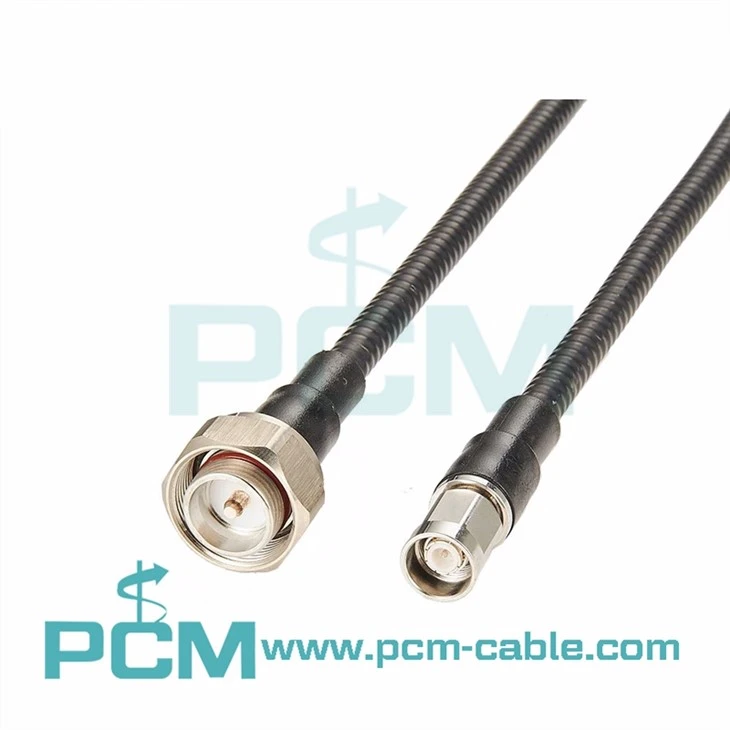
- Low PIM (Passive Intermodulation): In many wireless communication systems, low PIM is a critical requirement. PIM can cause interference and degrade the performance of the system. RF jumper cables with low PIM characteristics are designed with special materials and manufacturing techniques to minimize the generation of intermodulation products. These low - PIM cables are more expensive than standard cables. For example, our 4.3 - 10 Male To NEX10 Male 1 4 Super Flex Low PIM Jumper is engineered to meet the stringent low - PIM requirements of modern communication systems, and its price reflects the advanced technology used in its production.
Connector Type
The type of connectors used on an RF jumper cable is another major cost determinant.
- Connector Complexity: Different connector types have different levels of complexity in their design and manufacturing. For example, precision connectors like SMA (Sub - Miniature version A) and SMC (Sub - Miniature version C) require high - precision machining and assembly processes. Connectors with more complex designs, such as those with multiple contacts or special locking mechanisms, are more expensive to produce.
- Connector Quality: High - quality connectors are made from premium materials and are designed to provide a reliable and long - lasting connection. Gold - plated connectors offer better corrosion resistance and electrical conductivity compared to standard nickel - plated connectors, but they are more costly. The quality of the connector also affects the overall performance of the cable, especially in terms of insertion loss and return loss. Our SMA Male To SSMC Plug RF Cable features high - quality SMA and SSMC connectors, which contribute to its overall cost but also ensure excellent performance.
Cable Length
The length of the RF jumper cable is a straightforward factor that influences its cost. Longer cables require more materials, such as conductor, dielectric, and outer jacket, and also more labor during the manufacturing process. Additionally, signal loss increases with cable length, and cables with longer lengths may need to be designed with more advanced materials or construction techniques to maintain acceptable signal quality. As a result, longer RF jumper cables are generally more expensive than shorter ones.
Manufacturing Process and Quality Control
The manufacturing process and quality control measures implemented during the production of an RF jumper cable also add to its cost.
- Manufacturing Precision: Producing RF jumper cables requires high - precision manufacturing processes to ensure consistent performance. Advanced machinery and skilled labor are needed to assemble the cables accurately, especially when it comes to terminating the connectors onto the cable. High - precision manufacturing processes increase the production cost but also result in cables with better performance and reliability.
- Quality Control: Stringent quality control measures are essential to ensure that the RF jumper cables meet the required performance specifications. This includes testing for parameters such as impedance, insertion loss, return loss, and PIM. Cables that undergo comprehensive quality control testing are more expensive as the testing equipment and labor involved in the process add to the overall cost.
Market Demand and Supply
The market demand and supply situation also play a role in determining the cost of RF jumper cables.
- Demand: In a high - demand market, such as the rapid expansion of 5G networks, the demand for RF jumper cables with specific performance characteristics, such as high - frequency and low - PIM, increases. When demand outstrips supply, prices tend to rise. On the other hand, if there is a surplus of cables in the market, prices may be more competitive.
- Supply Chain Disruptions: Disruptions in the supply chain, such as shortages of raw materials or problems with manufacturing facilities, can also impact the cost of RF jumper cables. For example, if there is a shortage of copper due to mining issues or trade restrictions, the price of copper - based conductors will increase, leading to higher costs for RF jumper cables.
Customization and Special Requirements
Customers often have specific customization requirements for RF jumper cables, which can significantly increase the cost.
- Custom Lengths: As mentioned earlier, longer cables are more expensive. Custom - cut lengths that deviate from standard lengths also require additional processing and can be more costly.
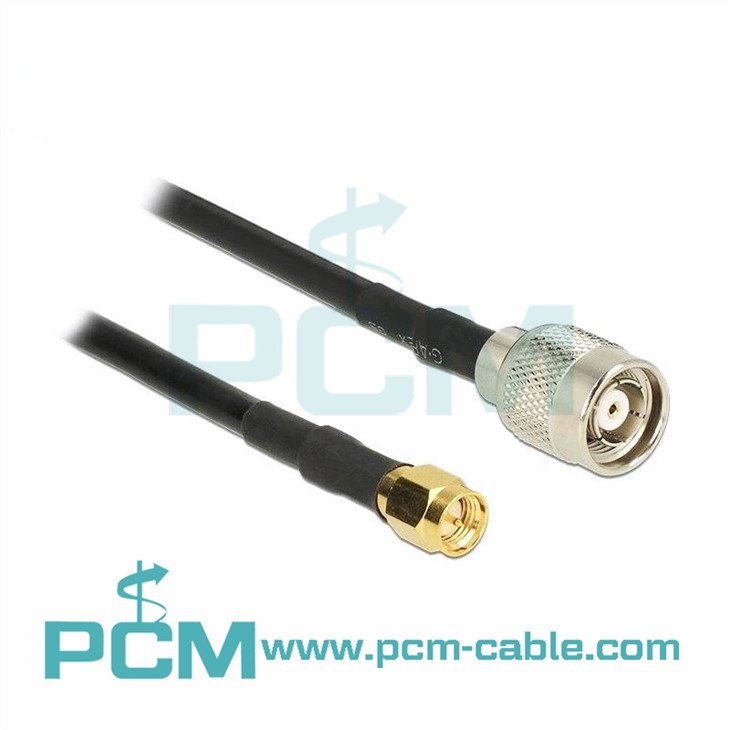
- Special Connector Configurations: Some applications may require non - standard connector configurations or combinations. For example, a TNC Male To SMA Male Adapter Cable with a specific length and performance requirements may be a custom - made product. Designing and manufacturing these custom connector configurations involve additional engineering and production efforts, which drive up the price.
- Unique Environmental Requirements: If the cable needs to be used in a unique environment, such as a high - temperature or high - humidity area, special materials and coatings may be required. These custom environmental protection features add to the cost of the cable.
Conclusion
In conclusion, the cost of an RF jumper cable is determined by a variety of factors, including material quality, design and performance specifications, connector type, cable length, manufacturing process, market demand and supply, and customization requirements. As a supplier, we understand that customers are looking for the best balance between cost and performance. We offer a wide range of RF jumper cables to meet different needs and budgets. Whether you are looking for a basic cable for a simple application or a high - performance cable for a complex communication system, we can provide you with the right solution.
If you are interested in purchasing RF jumper cables or have any questions about our products, please feel free to contact us. We are ready to assist you in finding the most suitable cables for your specific requirements and to discuss the pricing based on your needs.
References
- "RF and Microwave Transmission Line Design Handbook" by Timothy Pratt
- "Antenna Theory: Analysis and Design" by Constantine A. Balanis