Snake cables are essential tools in the audio industry, used to transmit multiple audio signals over a single cable, making it easier to manage and organize audio setups. As a snake cable supplier, I have witnessed firsthand the diverse range of snake cables available on the market, each with its own unique features and applications. In this blog post, I will explore the differences between different snake cables, helping you understand which type is best suited for your specific needs.
Connector Types
One of the most significant differences between snake cables lies in their connector types. These connectors determine how the cable interfaces with other audio equipment and play a crucial role in the overall performance of the audio system.
XLR Connectors
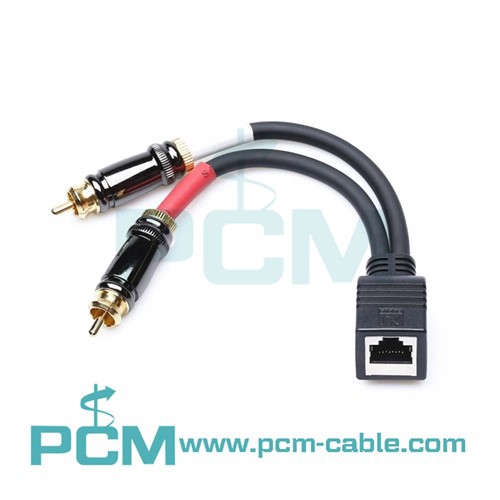
XLR connectors are widely used in the professional audio industry due to their reliability and excellent signal quality. They are commonly found on microphones, mixers, and other audio devices. XLR connectors are available in male and female versions, and they provide a balanced connection, which helps to reduce noise and interference. Snake cables with XLR connectors are ideal for applications where high - quality audio transmission is required, such as live sound reinforcement and recording studios. For example, our 4 - Channel Audio Snake RJ45 Female to XLR 2Males to 2Females is designed to provide a seamless connection between devices using XLR and RJ45 interfaces.


RJ45 Connectors
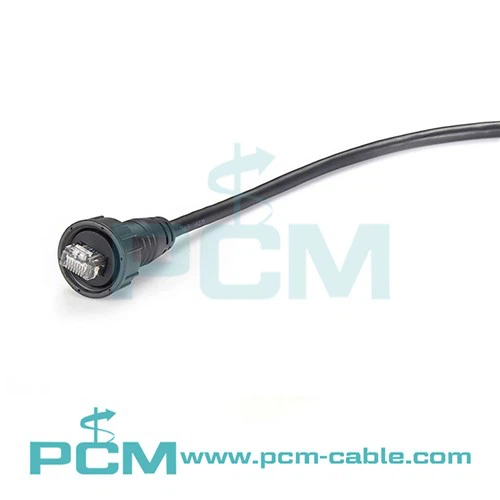
RJ45 connectors are more commonly associated with Ethernet networks, but they are also used in audio applications. They offer a compact and convenient way to connect multiple audio channels. RJ45 connectors are often used in situations where space is limited or when a more modular approach to audio cabling is required. Our RJ45 To XLR Cable 4 Channel is a great example of a snake cable that uses RJ45 connectors on one end and XLR connectors on the other, providing flexibility in audio setups.
DB25 Connectors
DB25 connectors are used in some snake cables, especially those designed for specific audio systems or equipment. They can carry multiple audio channels in a single connector, making them suitable for applications where a large number of channels need to be transmitted. Our 8 Channel DB25 To XLR Audio Snake is a prime example of a snake cable that uses DB25 connectors on one end and XLR connectors on the other, offering a high - density solution for audio transmission.
Number of Channels
The number of channels is another important factor to consider when choosing a snake cable. Different applications require different numbers of audio channels.
Low - Channel Count Snake Cables
Snake cables with a low channel count, such as 2 - 4 channels, are suitable for smaller audio setups, such as home recording studios or small live events. These cables are more compact and easier to manage, and they are often less expensive than high - channel count cables. For example, a 2 - channel snake cable can be used to connect a microphone and a guitar to a mixer, providing a simple and efficient audio setup.
High - Channel Count Snake Cables
High - channel count snake cables, with 8 or more channels, are designed for larger audio systems, such as concert halls, large recording studios, or multi - camera video productions. These cables can handle a large number of audio signals simultaneously, allowing for more complex audio setups. However, they are typically larger and more expensive than low - channel count cables.
Cable Length
Cable length is also an important consideration when choosing a snake cable. Longer cables can introduce signal loss and interference, so it's important to choose the right length for your application.
Short Cables
Short snake cables, typically less than 10 meters, are ideal for applications where the audio equipment is close together. They minimize signal loss and are easier to manage. For example, in a small recording studio, a short snake cable can be used to connect a microphone to a nearby mixer.
Long Cables
Long snake cables, 20 meters or more, are necessary for larger audio setups, such as live concerts or large event venues. However, these cables require careful consideration to ensure that the signal quality is maintained. High - quality cables with proper shielding and impedance matching are essential for long - distance audio transmission.
Cable Quality and Construction
The quality and construction of a snake cable can have a significant impact on its performance.
Cable Material
The material used in the cable's conductors and insulation can affect the signal quality. Copper is a common conductor material due to its excellent electrical conductivity. High - quality insulation materials, such as polyethylene or PVC, help to protect the conductors from interference and damage.
Shielding
Shielding is an important feature of snake cables, especially in environments with high levels of electromagnetic interference. A well - shielded cable can reduce noise and crosstalk between channels, ensuring a clean and clear audio signal.
Durability
Durability is also a key factor, especially for snake cables that will be used in live events or other demanding environments. Cables with strong outer jackets and robust connectors are more likely to withstand the rigors of frequent use and handling.
Applications
Different snake cables are suitable for different applications.
Live Sound Reinforcement
In live sound reinforcement, snake cables are used to connect microphones, instruments, and other audio sources to the mixing console. High - quality, high - channel count snake cables are often required to handle the large number of audio signals in a live performance.
Recording Studios
In recording studios, snake cables are used to connect microphones, pre - amplifiers, and other audio equipment to the audio interface. Precision and signal quality are crucial in a recording environment, so high - quality snake cables are essential.
Broadcast and Video Production
In broadcast and video production, snake cables are used to transmit audio signals from cameras, microphones, and other sources to the production equipment. The cables need to be reliable and provide high - quality audio transmission to ensure a professional - grade production.
Conclusion
In conclusion, there are several key differences between different snake cables, including connector types, number of channels, cable length, cable quality, and construction. As a snake cable supplier, I understand the importance of choosing the right cable for your specific needs. Whether you are setting up a small home recording studio or a large - scale live event, selecting the appropriate snake cable can make a significant difference in the quality of your audio.
If you are interested in purchasing snake cables for your audio setup, I encourage you to contact us for more information. Our team of experts can help you choose the right cable based on your requirements and budget. We offer a wide range of high - quality snake cables to meet the needs of various applications. Let's work together to ensure that your audio system performs at its best.
References
- "Audio Engineering Handbook" by Glen Ballou
- "The Mixing Engineer's Handbook" by Bobby Owsinski