Hey there, audio enthusiasts and professionals! As a supplier of TT Patch Cables, I've seen firsthand the importance of quality in these essential audio components. Whether you're setting up a recording studio, a live sound system, or just tinkering with your home audio setup, having reliable TT patch cables can make all the difference. In this blog post, I'm gonna share some tips on how to identify the quality of TT Patch Cables, so you can make an informed decision when it comes to your audio needs.
1. Construction and Materials
The first thing you wanna look at when assessing the quality of a TT Patch Cable is its construction and the materials used. A high - quality cable starts with a good conductor. Copper is the most common choice for audio cables, and there are different grades of copper. Oxygen - free copper (OFC) is often preferred because it has better conductivity and less resistance compared to regular copper. This means less signal loss and better sound quality.
The insulation around the conductor is also crucial. It should be thick enough to prevent interference from external sources like electromagnetic fields. Polyethylene and polypropylene are popular insulation materials due to their excellent dielectric properties. They help maintain the integrity of the audio signal by keeping it isolated from external noise.
The outer jacket of the cable protects it from physical damage. A durable jacket made of materials like PVC or rubber can withstand bending, pulling, and abrasion. It should also be flexible enough to make it easy to route the cable around your equipment.


2. Connector Quality
The connectors on a TT Patch Cable are just as important as the cable itself. They are the points where the cable connects to your audio equipment, and a poor - quality connector can lead to signal degradation or even a complete loss of signal.
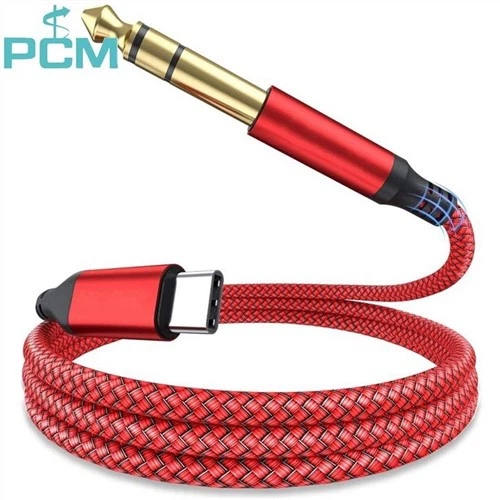
For TT connectors, look for ones that are made of high - quality metal, such as gold - plated brass. Gold plating offers excellent corrosion resistance, which is important because it ensures a good electrical connection over time. The connectors should fit snugly into your equipment's jacks without being too loose or too tight. A loose connection can cause intermittent audio problems, while a too - tight connection can damage the jack or the connector itself.
The soldering on the connectors is another key factor. Good soldering ensures a strong and reliable electrical connection between the conductor and the connector. You should be able to see clean, smooth solder joints without any signs of cold solder (which looks grainy or uneven).
3. Signal Transmission
One of the main functions of a TT Patch Cable is to transmit audio signals accurately. To test the signal transmission quality, you can use a simple audio test setup. Connect the cable to a known - good audio source, like a high - quality audio player, and a speaker or headphones. Play some music or a test tone and listen carefully for any signs of distortion, noise, or signal loss.
A high - quality TT Patch Cable should transmit the audio signal with minimal loss or interference. You should hear a clean, clear sound without any hissing, popping, or other unwanted noises. If you notice any audio problems, it could be a sign that the cable is of poor quality.
Another way to assess signal transmission is to measure the cable's impedance. Impedance is a measure of the opposition to the flow of an alternating current in the cable. Most audio equipment is designed to work with cables that have a specific impedance, usually around 600 ohms for balanced audio. A cable with the wrong impedance can cause signal reflections and distortion. You can use an impedance meter to measure the cable's impedance and make sure it's within the acceptable range.
4. Brand Reputation
Brand reputation can also be a good indicator of the quality of a TT Patch Cable. Well - established brands that have been in the audio industry for a long time often have a reputation for producing high - quality products. They typically have strict quality control measures in place to ensure that every cable they produce meets a certain standard.
You can read reviews from other audio professionals and enthusiasts to get an idea of a brand's reputation. Look for brands that are known for their reliability, durability, and sound quality. However, don't just rely on brand name alone. Some smaller, niche brands may also produce excellent cables at a more affordable price.
5. Certification and Testing
Some TT Patch Cables come with certifications that indicate they have met certain industry standards. For example, cables that are certified by organizations like the Audio Engineering Society (AES) have been tested to ensure they meet specific audio performance criteria.
Testing is also an important part of the quality assurance process. Reputable cable manufacturers will test their cables for things like signal loss, impedance, and interference. They may use specialized equipment to simulate real - world conditions and ensure that the cables perform well in different environments.
When shopping for TT Patch Cables, look for ones that have been tested and certified. This gives you an extra level of confidence in the cable's quality.
6. Types of TT Patch Cables
There are different types of TT Patch Cables available, each with its own specific uses. For example, TRS TT Patch Cords are commonly used for connecting audio devices like mixers, amplifiers, and effects units. They are designed to carry both left and right audio channels in a single cable.
TT To XLR Cable is useful when you need to connect a device with a TT output to a device with an XLR input. XLR connectors are often used in professional audio applications because they provide a balanced connection, which helps reduce noise and interference.
Balanced Audio Cable with TT - TT Male Connector is ideal for situations where you need to transmit audio signals over longer distances without losing quality. The balanced design helps cancel out external interference, making it suitable for use in noisy environments.
Conclusion
Identifying the quality of TT Patch Cables is crucial for getting the best audio performance from your equipment. By considering factors like construction, connector quality, signal transmission, brand reputation, and certification, you can make an informed decision when choosing a cable.
If you're in the market for high - quality TT Patch Cables, I encourage you to reach out to us. We're a trusted supplier with a wide range of TT Patch Cables to meet your specific needs. Whether you're a professional audio engineer or a hobbyist, we can help you find the right cable for your setup. Contact us today to start a conversation about your audio cable requirements.
References
- Audio Engineering Society (AES) standards documents
- Industry publications on audio cable technology
- User reviews and testimonials from audio professionals