In the realm of cable technology, the choice between angled cables and coaxial cables can significantly impact the performance and functionality of various electronic systems. As a supplier of angled cables, I've witnessed firsthand the diverse needs of customers and the unique advantages that angled cables bring to the table. In this blog post, I'll delve into a comprehensive comparison of angled cables and coaxial cables, exploring their characteristics, applications, and performance factors.
Understanding Coaxial Cables
Coaxial cables have been a staple in the world of telecommunications and electronics for decades. They consist of a central conductor, surrounded by an insulating layer, a metallic shield, and an outer protective jacket. This design provides excellent protection against electromagnetic interference (EMI) and radio frequency interference (RFI), making coaxial cables ideal for high - frequency signal transmission.
One of the key advantages of coaxial cables is their ability to carry large amounts of data over long distances. They are commonly used in cable television networks, satellite communication systems, and high - speed internet connections. Coaxial cables also offer relatively low signal loss, which ensures that the transmitted signal remains strong and clear throughout the cable length.
However, coaxial cables do have some limitations. They are relatively rigid and bulky, which can make them difficult to install in tight spaces or around corners. Additionally, the cost of coaxial cables can be relatively high, especially for high - quality, shielded versions.
The Rise of Angled Cables
Angled cables, on the other hand, are a more recent innovation in the cable industry. As the name suggests, angled cables have connectors that are designed at an angle, typically 45 degrees or 90 degrees. This unique design allows for more flexible installation options, especially in confined spaces where traditional straight - cable connectors may not fit.
Angled cables come in a wide variety of types and configurations, catering to different applications. For example, DIN 3Pin 4Pin 5Pin 6Pin 7Pin 8Pin 9Pin 13 Pin Right Angle 90 Degree Cable is a popular choice for industrial and audio applications. These cables provide a secure connection while allowing for easy installation in tight spaces.
Another example is the VGA Extension Cable 45 Degree Angled. This type of cable is commonly used in computer monitors and projectors, where space behind the device may be limited. The 45 - degree angle allows for a more streamlined installation, reducing the risk of cable damage and improving the overall aesthetics of the setup.
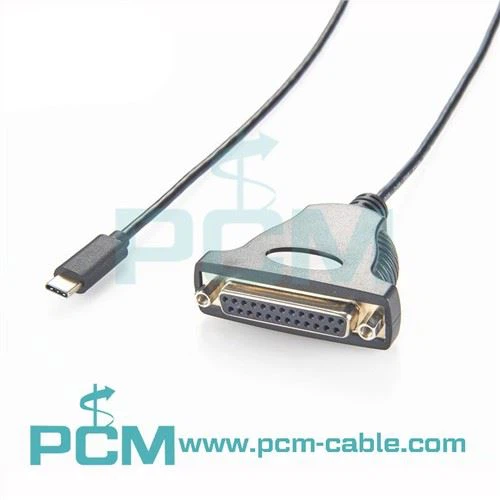
The DB26 Male Female 45 Degree Cable is also widely used in various electronic systems, providing a reliable connection with the added benefit of an angled design for easier installation.
Performance Comparison
When it comes to performance, both angled cables and coaxial cables have their strengths. In terms of signal transmission, coaxial cables generally have an edge due to their superior shielding and low signal loss characteristics. However, modern angled cables are also designed to provide high - quality signal transmission, especially for applications that do not require extremely long cable runs or high - frequency signals.


Angled cables are often more suitable for applications where space is a major concern. Their ability to be installed in tight spaces makes them a popular choice for consumer electronics, such as laptops, tablets, and gaming consoles. In these devices, the compact design of angled cables helps to reduce clutter and improve the overall user experience.
Coaxial cables, on the other hand, are better suited for applications that require long - distance signal transmission and high - frequency performance. For example, in a large - scale data center or a cable television network, coaxial cables can ensure reliable and high - speed data transfer over extended distances.
Cost and Durability
Cost is another important factor to consider when choosing between angled cables and coaxial cables. Generally, angled cables are more affordable than coaxial cables, especially for basic applications. This makes them a cost - effective solution for many consumers and small - scale businesses.
In terms of durability, both types of cables can be quite robust if they are of high - quality. Coaxial cables are typically more resistant to physical damage due to their thick outer jackets and shielding. However, angled cables are also designed to withstand normal wear and tear, and many manufacturers offer cables with reinforced connectors for added durability.
Applications
The choice between angled cables and coaxial cables also depends on the specific application. Here are some common applications for each type of cable:
Angled Cables
- Consumer Electronics: As mentioned earlier, angled cables are widely used in consumer electronics, such as laptops, monitors, and gaming consoles. Their compact design and easy installation make them ideal for these devices.
- Industrial Automation: In industrial settings, space is often limited, and angled cables can be used to connect various sensors, controllers, and other equipment. The angled connectors allow for easier access and maintenance.
- Audio and Video Systems: Angled cables are commonly used in audio and video systems, such as home theaters and professional recording studios. They can help to reduce cable clutter and improve the overall aesthetics of the setup.
Coaxial Cables
- Telecommunications: Coaxial cables are the backbone of many telecommunications networks, including cable television, satellite communication, and high - speed internet. Their ability to carry large amounts of data over long distances makes them essential for these applications.
- Broadcasting: In the broadcasting industry, coaxial cables are used to transmit high - quality audio and video signals from cameras, microphones, and other equipment to the control room and broadcasting stations.
- Data Centers: Coaxial cables are also used in data centers to connect servers, switches, and other networking equipment. Their low signal loss and high - frequency performance make them suitable for high - speed data transfer.
Conclusion
In conclusion, both angled cables and coaxial cables have their own unique advantages and are suitable for different applications. Coaxial cables are the go - to choice for long - distance, high - frequency signal transmission, while angled cables offer flexibility and ease of installation, especially in tight spaces.
As a supplier of angled cables, I understand the importance of providing high - quality products that meet the diverse needs of our customers. Whether you are looking for a DIN 3Pin 4Pin 5Pin 6Pin 7Pin 8Pin 9Pin 13 Pin Right Angle 90 Degree Cable, a VGA Extension Cable 45 Degree Angled, or a DB26 Male Female 45 Degree Cable, we have a wide range of options to choose from.
If you are interested in learning more about our angled cables or would like to discuss your specific requirements, please feel free to contact us. We are always happy to help you find the right cable solution for your needs.
References
- "Cable and Wireless Communications Handbook", John Crispin, 2009
- "Electrical Engineering Handbook", Richard Dorf, 2004
- Industry reports on cable technology from leading market research firms.