As a dedicated supplier of IP67 cables, the question of whether IP67 cables have a static - discharge protection feature is one I'm frequently confronted with by our curious customers. To address this concern comprehensively, let's delve into the world of IP67 cables, examining their design, functionality, and the presence, or absence, of static - discharge protection.
Understanding IP67 Cables
First, it's essential to understand what IP67 means. The Ingress Protection (IP) code is an international standard that classifies the degree of protection provided by an enclosure against the intrusion of solid objects (such as dust) and liquids (moisture and water). The first digit, in this case, 6, represents complete protection against dust ingress. The second digit, 7, indicates that the cable can withstand temporary immersion in water up to 1 meter in depth for 30 minutes without suffering harmful effects.
IP67 cables are commonly used in harsh environments where exposure to dust, water, and other contaminants is a concern. They find applications in industries such as manufacturing, automotive, outdoor telecommunications, and marine, where the reliability of the connection is critical.
Static Discharge and Its Risks
Static electricity is generated when two materials come into contact and then separate. This process can cause electrons to transfer from one material to the other, creating an electrical charge. When the charged object comes into contact with a conductor or another object at a different electrical potential, a sudden flow of electricity, known as static discharge, occurs.
Static discharge can pose a significant threat to electronic components. It can cause immediate damage, such as short - circuits and component failure, or lead to long - term degradation of performance. In the context of cables, static discharge can disrupt the transmission of signals, cause data corruption, and even result in component malfunctions.
The Design of IP67 Cables
The primary focus of IP67 cables is to provide protection against dust and water intrusion. The design typically involves a robust outer sheath that is resistant to environmental factors. The cable construction also includes insulation for the conductors to ensure proper electrical performance.

However, the design requirements for IP67 certification do not explicitly mandate static - discharge protection. The standards mainly focus on the physical protection of the cable from external contaminants. Therefore, not all IP67 cables come with built - in static - discharge protection.
Do IP67 Cables Have Static - Discharge Protection?
The answer is not straightforward. There is no inherent rule that IP67 cables must have static - discharge protection. Some manufacturers may incorporate anti - static materials or grounding mechanisms into their IP67 cables to mitigate the risk of static discharge. These additional features are often found in cables designed for high - sensitivity applications where static - related issues could be a problem.
On the other hand, many basic IP67 cables are primarily engineered for physical protection, and static - discharge protection is not included. This is especially true for cables used in applications where the risk of significant static build - up is low.
Importance of Static - Discharge Protection in IP67 Cables
In certain applications, the presence of static - discharge protection in IP67 cables can be crucial. For example, in the electronics manufacturing industry, where sensitive components are being produced or tested, even a small static discharge can damage delicate integrated circuits. In automotive electronics, static - induced interference can disrupt the operation of onboard systems.
When cables are used in environments with low humidity, static electricity is more likely to build up. In such cases, having a cable with static - discharge protection can help maintain the integrity of the signal transmission and prevent equipment damage.
Our IP67 Cable Offerings
As a supplier of IP67 cables, we understand the diverse needs of our customers. We offer a wide range of IP67 cables, some of which come with static - discharge protection and others that do not, depending on the intended application.
One of our popular products is the USB Weatherproof Connector - Panel Mount USB - B To USB - A. This cable is designed for outdoor use and offers excellent protection against dust and water. For applications where static discharge may be a concern, we can provide versions with additional anti - static features.
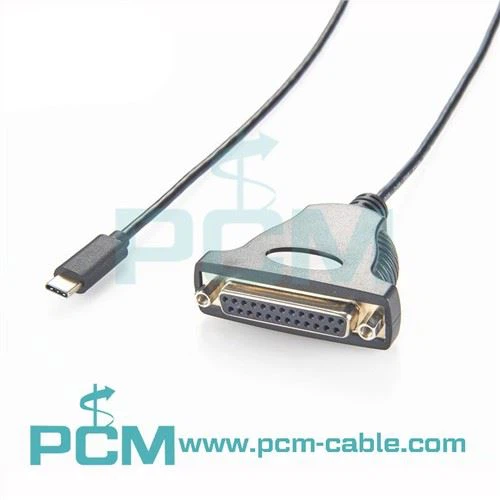
Our VGA To DB26 Pin Signal Cable is another example. It is built to meet the IP67 standard, ensuring reliable signal transmission in harsh environments. Whether your project requires static - discharge protection or not, we can customize the cable according to your specific requirements.
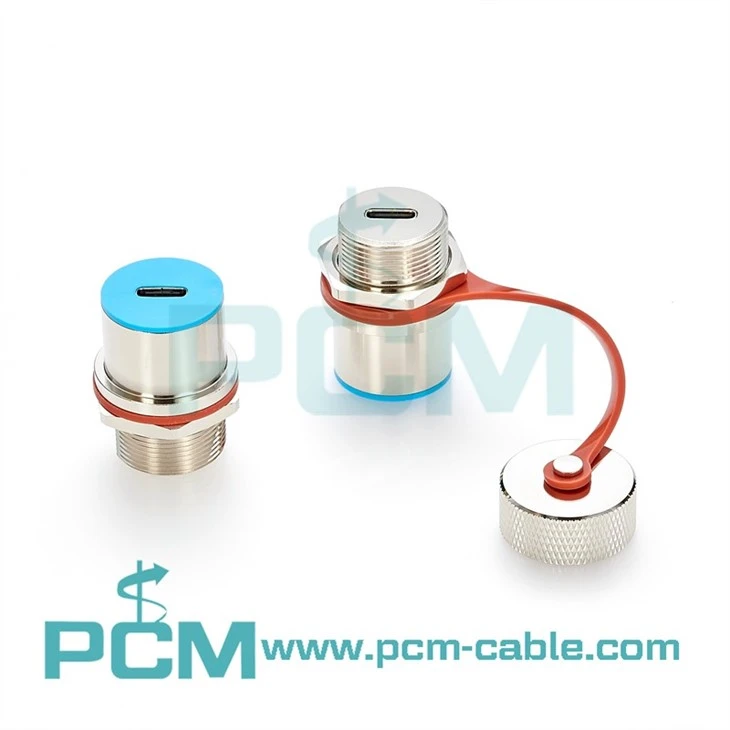
We also offer the IP68 Sealed USB C Connector, which provides even higher levels of water protection compared to traditional IP67 cables. Similar to our other products, we can tailor this connector to include static - discharge protection for sensitive applications.
How to Choose the Right IP67 Cable
When selecting an IP67 cable, it's important to consider the specific requirements of your application. If you're working in an environment where static electricity is a concern, such as a clean room or a facility with electronic equipment, you should consider cables with static - discharge protection.
On the other hand, if your application mainly requires protection against dust and water, and the risk of static build - up is minimal, a basic IP67 cable may be sufficient. It's also a good idea to consult with our technical team, who can provide expert advice based on your unique situation.
Conclusion
In conclusion, while IP67 cables are not inherently designed with static - discharge protection, many can be customized to include this feature. As a supplier, we offer a range of IP67 cables to meet the diverse needs of our customers. Whether you're in need of a simple dust - and water - resistant cable or a cable with advanced static - discharge protection, we have the expertise and products to serve you.
If you're interested in learning more about our IP67 cable offerings or have specific requirements for your project, we encourage you to reach out. Our team is ready to assist you with your procurement and offer in - depth technical consultations. Don't hesitate to contact us for a comprehensive discussion on how our IP67 cables can meet your needs.
References
- International Electrotechnical Commission (IEC) standards for Ingress Protection (IP) codes
- Industry research on the effects of static discharge on electronic components
- Technical documentation from cable manufacturers regarding IP67 cable design and features