Are Snake Cables Suitable for Studio Recording?
As a supplier of snake cables, I've had numerous conversations with audio engineers, musicians, and studio owners about the suitability of snake cables for studio recording. Snake cables are a crucial component in the audio industry, especially in large - scale setups like recording studios. In this blog, I'll delve into the various aspects that determine whether snake cables are a good fit for studio recording.
What are Snake Cables?
Snake cables are multi - conductor cables that bundle multiple individual audio cables into one. They are designed to simplify cable management in audio setups. Instead of running a dozen or more individual cables from the sound source (such as microphones, instruments) to the mixing console, a single snake cable can be used. This not only reduces clutter but also minimizes the risk of cable tangling and signal interference.
Advantages of Using Snake Cables in Studio Recording
-
Cable Management
One of the most significant advantages of snake cables in a studio environment is the improved cable management. In a professional recording studio, there are often dozens of microphones and instruments that need to be connected to the mixing console. Without a snake cable, the studio would be filled with a maze of individual cables, which can be a nightmare to organize and troubleshoot. A snake cable neatly bundles all these connections together, making the studio floor and cable routing much cleaner and more organized. -
Signal Integrity
Snake cables are designed to maintain high - quality audio signals. They are often shielded to protect against electromagnetic interference (EMI) and radio frequency interference (RFI). In a studio, there are many electronic devices that can generate EMI and RFI, such as computers, lighting systems, and power supplies. The shielding in snake cables helps to ensure that the audio signals remain pure and free from unwanted noise. This is crucial in studio recording, where even the slightest bit of noise can degrade the quality of the final recording.

-
Ease of Use
Using snake cables simplifies the setup and teardown process in a recording studio. When setting up a recording session, it's much quicker to connect one snake cable than to connect multiple individual cables. Similarly, when the session is over, unplugging a single snake cable is faster and more efficient. This can save a significant amount of time, especially for studios that have multiple recording sessions in a day. -
Flexibility
Snake cables come in a variety of configurations, allowing studios to choose the one that best suits their needs. For example, if a studio mainly records vocals and acoustic instruments, a snake cable with a smaller number of channels may be sufficient. On the other hand, for a studio that often records large bands or orchestras, a snake cable with a higher number of channels would be more appropriate.
Considerations when Choosing Snake Cables for Studio Recording
-
Number of Channels
The first consideration when choosing a snake cable for studio recording is the number of channels. The number of channels needed depends on the size and complexity of the recording setup. For a small home studio that mainly records solo artists or small ensembles, a snake cable with 8 - 16 channels may be sufficient. However, for a large commercial studio that records large bands, choirs, or orchestras, a snake cable with 32 or more channels may be required. -
Connector Types
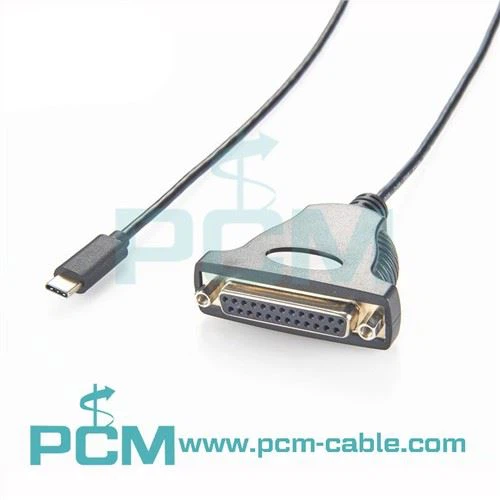
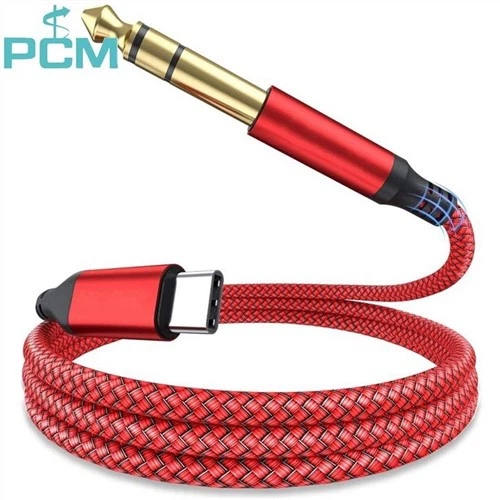
Different recording equipment uses different connector types. Common connector types for snake cables include XLR, TRS, and DB25. It's important to choose a snake cable with the appropriate connector types to ensure compatibility with the studio's equipment. For example, if your mixing console uses DB25 connectors and your microphones use XLR connectors, you'll need a snake cable that has DB25 on one end and XLR on the other. Here are some examples of our compatible cables: DB25 To 8 TRS Tascam Compatible Cable, 8 Channel DB25 To XLR Audio Snake, and Electric Drums PAD Audio Cable TRS Male to DB25 Male connector Fits Alesis DM6 USB Express. -
Cable Length
The length of the snake cable is also an important consideration. In a large studio, the distance between the recording area and the mixing console may be significant. If the cable is too short, it may not reach from the source to the destination. On the other hand, if the cable is too long, there may be a loss of signal strength. It's important to measure the distance between the recording area and the mixing console accurately and choose a snake cable with an appropriate length. -
Build Quality
The build quality of the snake cable can have a significant impact on its performance and durability. A high - quality snake cable will be made with thick, durable conductors and have a strong, flexible outer jacket. It will also have well - made connectors that are less likely to come loose or break. Investing in a high - quality snake cable may cost more upfront, but it will save you money in the long run by reducing the need for frequent replacements.
Potential Drawbacks of Snake Cables in Studio Recording
-
Cost
High - quality snake cables can be expensive, especially those with a large number of channels. For small home studios on a budget, the cost of a snake cable may be prohibitive. However, it's important to consider the long - term benefits of using a snake cable, such as improved cable management and signal integrity. -
Limited Flexibility in Some Situations
While snake cables offer a high degree of flexibility in terms of channel configuration, they can be less flexible in some situations. For example, if you need to make a last - minute change to the recording setup and need to add or remove a channel, it may be more difficult with a snake cable than with individual cables.
Conclusion
In general, snake cables are highly suitable for studio recording. They offer numerous advantages, including improved cable management, better signal integrity, ease of use, and flexibility. However, it's important to carefully consider the number of channels, connector types, cable length, and build quality when choosing a snake cable. While there are some potential drawbacks, such as cost and limited flexibility in certain situations, the benefits of using snake cables in a studio environment far outweigh the disadvantages.
If you're in the market for high - quality snake cables for your studio, we're here to help. We offer a wide range of snake cables with different channel configurations, connector types, and lengths to meet your specific needs. Contact us to start a conversation about your requirements and find the perfect snake cable solution for your studio.
References
- "Audio Engineering Handbook" by Glen Ballou
- "The Mixing Engineer's Handbook" by Bobby Owsinski