When it comes to audio systems, the choice of cables can significantly impact the quality of sound transmission. As an audio cables supplier, I often get asked, "When should I use shielded audio cables?" In this blog post, I'll delve into the scenarios where shielded audio cables are not just a good idea but a necessity.
Understanding Shielded Audio Cables
Before we discuss when to use shielded audio cables, it's essential to understand what they are. Shielded audio cables are designed with an extra layer of protection around the inner conductors. This shield is typically made of a conductive material, such as aluminum foil or braided copper. The primary function of the shield is to block electromagnetic interference (EMI) and radio frequency interference (RFI) from affecting the audio signal.
High - EMI/RFI Environments
One of the most common situations where shielded audio cables are crucial is in environments with high levels of electromagnetic or radio frequency interference. Industrial settings, for example, are filled with machinery that can generate a significant amount of EMI. Motors, generators, and other electrical equipment produce electromagnetic fields that can easily couple into unshielded audio cables and distort the audio signal.
In a factory floor where there are multiple machines running simultaneously, using unshielded audio cables to connect speakers or microphones can result in a lot of background noise, such as humming or buzzing. This noise can make it difficult to hear the intended audio clearly. On the other hand, shielded audio cables can effectively block out this interference, ensuring a clean and clear audio signal.
Similarly, in areas close to radio transmitters or cell phone towers, RFI can be a major issue. These sources emit radio waves that can interfere with the audio signal in unshielded cables. Shielded cables act as a barrier, preventing these radio waves from disrupting the audio transmission. For instance, if you're setting up an audio system in a building near a radio station, using shielded cables will help you avoid any unwanted radio interference in your audio.
Long Cable Runs
Another scenario where shielded audio cables are highly recommended is for long cable runs. When audio cables are extended over a long distance, the signal becomes more vulnerable to interference. The longer the cable, the more surface area it has for EMI and RFI to couple into the conductors.
In a large auditorium or a stadium, for example, the audio equipment may be located far away from the speakers or microphones. Running unshielded cables over such long distances can lead to signal degradation and the introduction of noise. Shielded audio cables, with their protective layer, can maintain the integrity of the audio signal over long distances. They reduce the risk of signal loss and interference, ensuring that the audio reaches the destination with minimal distortion.
Professional Audio Setups
Professional audio setups, such as recording studios, live sound reinforcement systems, and broadcast facilities, demand the highest level of audio quality. In these environments, even the slightest bit of interference can be unacceptable.
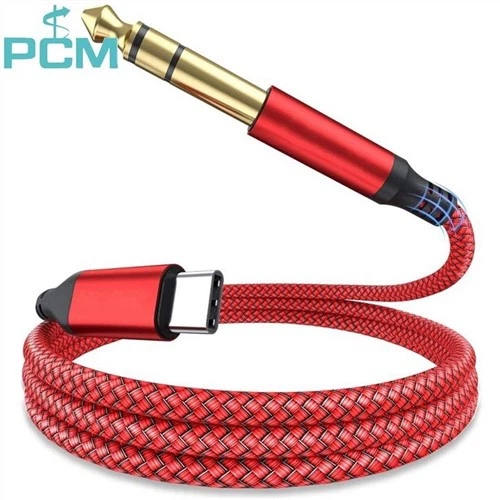
In a recording studio, every detail of the audio matters. Unwanted noise or distortion can ruin a recording. Shielded audio cables are used to connect microphones, audio interfaces, and monitors to ensure that the purest form of the audio signal is captured and reproduced. For example, when recording a musical instrument or a singer's voice, a shielded XLR To 6.35mm Cable can prevent any external interference from being picked up by the microphone and added to the recording.
Live sound reinforcement systems at concerts or festivals also rely heavily on shielded audio cables. These systems need to deliver high - quality audio to a large audience. With multiple audio sources and long cable runs, the risk of interference is high. Using shielded cables helps to maintain a clear and powerful audio output, enhancing the overall listening experience for the audience.
Low - Level Audio Signals
Low - level audio signals are more susceptible to interference than high - level signals. Microphone signals, for example, are relatively weak compared to the signals coming from amplifiers. When these low - level signals travel through cables, they can easily be affected by external interference.
Shielded audio cables are essential for carrying low - level audio signals. They protect the weak signals from being corrupted by EMI and RFI. For instance, in a sound installation where multiple microphones are used to pick up ambient sounds, using shielded cables will ensure that the delicate audio signals are not lost or distorted due to interference.
Cable Routing Near Electrical Wires
If you need to route audio cables near electrical wires, shielded audio cables are a must. Electrical wires carry electrical currents that generate electromagnetic fields. When audio cables are placed in close proximity to these electrical wires, the electromagnetic fields can induce noise in the audio signal.
In a building's wiring system, for example, audio cables may need to be run alongside power cables. Using unshielded audio cables in this situation can result in a lot of interference. Shielded audio cables provide a barrier between the audio conductors and the electromagnetic fields generated by the electrical wires, reducing the likelihood of interference.
Specific Cable Types and Their Applications
Different types of shielded audio cables are suitable for various applications. For example, the USB To 2 Male RCA Audio Aux Cable is a popular choice for connecting USB - enabled devices, such as computers or smartphones, to audio equipment with RCA inputs. This cable is often used in home audio setups, where it can provide a reliable connection while minimizing interference.
The RJ45 To Dual 3.5mm Stereo Cable Adapter is useful for networking audio devices. It can be used in professional audio networks or in home setups where multiple audio sources need to be connected. The shielded design of this cable ensures that the audio signal remains clear even in a networked environment.
Conclusion
In conclusion, shielded audio cables are essential in many situations. Whether you're dealing with high - EMI/RFI environments, long cable runs, professional audio setups, low - level audio signals, or cable routing near electrical wires, using shielded cables can significantly improve the quality of your audio transmission.
As an audio cables supplier, I understand the importance of providing high - quality shielded cables to meet the diverse needs of our customers. If you're in the process of setting up an audio system or looking to upgrade your existing cables, I encourage you to consider using shielded audio cables for the best results. Whether you're a professional audio engineer, a home audio enthusiast, or someone setting up an audio system for a commercial venue, we have the right cables for you.
If you're interested in learning more about our shielded audio cables or would like to discuss your specific requirements, feel free to reach out. We're here to help you make the right choice for your audio setup.


References
"Audio Engineering Handbook" by Don and Carolyn Davis
"Sound System Engineering" by Don Davis