

As a supplier of Hirose Cable, I've witnessed firsthand the widespread use and popularity of these cables in various industries. Hirose cables are known for their high - quality construction, reliable performance, and compatibility with a wide range of devices. However, like any product, they also have their disadvantages. In this blog, I'll explore some of the drawbacks of Hirose Cable to provide a more comprehensive view for potential buyers.
High Cost
One of the most significant disadvantages of Hirose Cable is its relatively high cost. Hirose is a well - known brand that invests heavily in research and development, quality control, and manufacturing processes. These factors contribute to the high price of their cables. For small businesses or projects with tight budgets, the cost of Hirose cables can be a major deterrent.
For example, the HR10A - 10P - 12S 12Pin Female I/O Open End Cable for Machine Vision is a high - end product designed for specific machine vision applications. While it offers excellent performance, its price is often higher compared to similar cables from other brands. This high cost can limit the accessibility of Hirose cables for some customers, especially those who are price - sensitive.
Limited Compatibility in Some Cases
Although Hirose cables are designed to be compatible with a wide range of devices, there are still some situations where compatibility issues may arise. Some older or less common devices may not be fully compatible with Hirose connectors. This can be a problem for customers who need to integrate Hirose cables into existing systems.
For instance, if a customer has an older industrial camera that uses a non - standard connector, finding a Hirose cable that fits properly can be a challenge. Even when a cable seems to fit physically, there may be electrical compatibility issues that can lead to signal degradation or malfunction. The Media Camera Analog HR10A - 10P - 6S Hirose Cable may not work as expected with certain analog cameras if the electrical characteristics are not well - matched.

Complex Installation Process
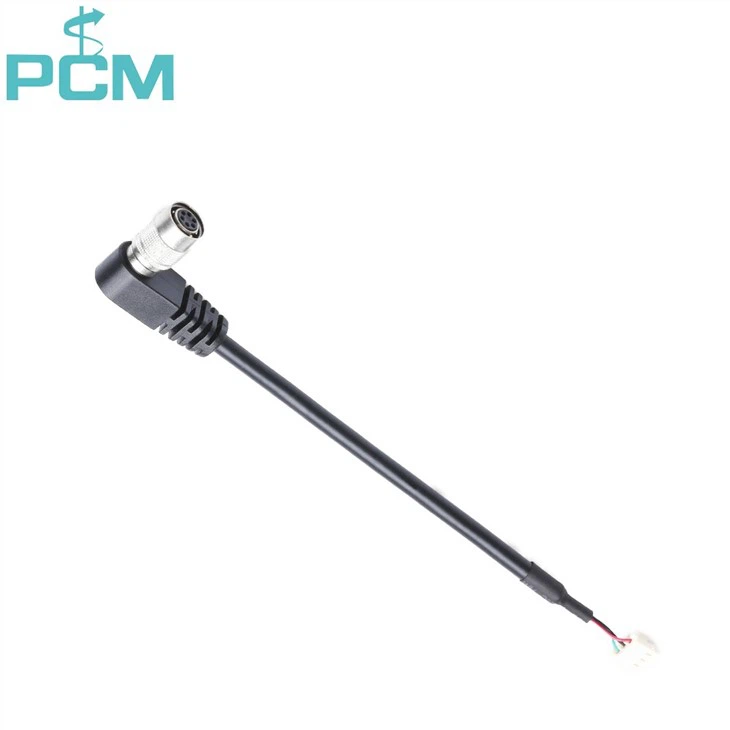
Hirose cables often come with complex connectors and installation requirements. The connectors are designed to ensure a secure and reliable connection, but this also means that the installation process can be more difficult compared to other types of cables.
For example, some Hirose connectors require special tools for proper installation. If the installation is not done correctly, it can lead to poor connections, signal loss, or even damage to the cable or the connected device. The CCD Industrial Camera Cable may have a complex connector design that requires precise alignment and proper tightening to ensure optimal performance. This complexity can be a barrier for users who are not experienced in cable installation.
Limited Availability in Some Regions
Another drawback of Hirose Cable is its limited availability in some regions. While Hirose is a global brand, there may be areas where it is difficult to find authorized distributors or retailers. This can be a problem for customers who need to purchase Hirose cables quickly or who require technical support.
In some remote areas or developing countries, the lack of local availability can lead to longer lead times for orders and higher shipping costs. Customers may also face difficulties in getting replacement parts or technical assistance if they encounter problems with their Hirose cables.
Environmental Sensitivity
Hirose cables may be sensitive to certain environmental conditions. For example, extreme temperatures, high humidity, or exposure to chemicals can affect the performance and lifespan of the cables. In industrial environments where there are harsh conditions, such as high - temperature manufacturing plants or areas with corrosive substances, Hirose cables may require additional protection or maintenance.
If the cables are not properly protected, they may experience signal degradation, insulation breakdown, or other issues. This can lead to system failures and costly downtime. For customers in these environments, the need for additional protection measures can add to the overall cost and complexity of using Hirose cables.
Difficulty in Customization
While Hirose offers a wide range of standard cable products, customization can be a challenge. The company's manufacturing processes are optimized for mass - production of standard cables, and customizing cables to meet specific requirements can be time - consuming and expensive.
For example, if a customer needs a cable with a non - standard length, connector type, or electrical specification, it may be difficult to get a customized Hirose cable in a timely manner. This can be a problem for customers who have unique application requirements and need cables that are tailored to their specific needs.
Conclusion
Despite these disadvantages, Hirose Cable still offers many advantages in terms of quality, reliability, and performance. However, it's important for potential buyers to be aware of these drawbacks so that they can make an informed decision.
If you're considering purchasing Hirose cables for your project, it's recommended to carefully evaluate your requirements, budget, and the specific environment in which the cables will be used. If you have any questions or need further information about Hirose cables, please feel free to contact us for a detailed discussion. We are here to help you find the best cable solutions for your needs.
References
- Hirose official product documentation
- Industry reports on cable technology and market trends


