In the realm of audio technology, the significance of cables cannot be overstated. They are the unsung heroes that carry the delicate signals from one device to another, ensuring that the audio we hear is of the highest quality. As an audio cables supplier, I have witnessed firsthand the diverse needs of different audio setups, particularly the differences between audio cables used in digital audio workstations (DAWs) and those for other audio equipment.
Digital Audio Workstations: A World of Precision
Digital audio workstations have revolutionized the way we create, edit, and produce music. These software - based systems allow musicians, producers, and audio engineers to manipulate audio with incredible precision. The cables used in DAWs are designed to meet the specific requirements of this high - tech environment.
One of the primary characteristics of audio cables for DAWs is their high - speed data transmission capabilities. DAWs often deal with large amounts of digital audio data, such as high - resolution audio files and multiple audio tracks. To handle this data flow without loss or interference, cables like the Thunderbolt and USB - C cables are commonly used. Thunderbolt cables, for example, can support data transfer rates of up to 40 Gbps, which is more than sufficient for real - time audio processing and multi - channel audio recording.
Another crucial factor is signal integrity. In a DAW setup, even the slightest bit of noise or interference can ruin the audio quality. Shielded cables are therefore a must. These cables have an extra layer of shielding material, such as aluminum foil or braided copper, that helps to block out electromagnetic interference (EMI) and radio frequency interference (RFI). For instance, a high - quality shielded USB cable for a DAW can prevent unwanted hums and buzzes from being introduced into the audio signal.
The connectors used in DAW cables are also designed for precision. XLR connectors, for example, are popular in DAW setups because they provide a balanced connection, which helps to cancel out noise and interference. They are also robust and reliable, making them suitable for long - term use. Additionally, some DAWs use specialized connectors like ADAT (Alesis Digital Audio Tape) optical connectors for high - speed digital audio transfer.
Other Audio Equipment: A Diverse Landscape
When it comes to other audio equipment, such as home audio systems, live sound setups, and musical instruments, the requirements for audio cables are quite different.
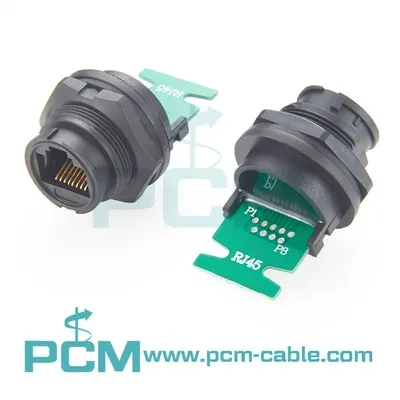
In home audio systems, the focus is often on ease of use and compatibility. RCA cables are a common choice for connecting devices like CD players, DVD players, and amplifiers. They are simple to use and widely available. The RJ45 Female To Dual RCA Male Adapter Cable for AXIA is a great example of a cable that bridges the gap between different types of connectors, allowing for more flexibility in home audio setups.
Live sound setups, on the other hand, demand cables that are durable and can withstand the rigors of touring and frequent use. Speaker cables, for example, need to be able to carry high - power audio signals over long distances without significant loss. Thick - gauge cables are often used in live sound applications to minimize resistance and ensure that the speakers receive the full power from the amplifier.
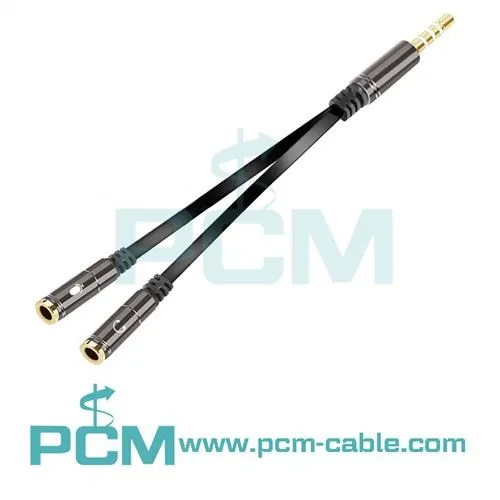
Musical instruments also have their own unique cable requirements. For electric guitars and basses, instrument cables are used to connect the instrument to an amplifier. These cables typically have a 1/4 - inch TS (Tip - Sleeve) connector. The length of the cable can affect the tone of the instrument, with longer cables potentially introducing more capacitance and changing the high - frequency response.
Technical Differences in Cable Design
The design of audio cables for DAWs and other audio equipment also varies in terms of impedance and capacitance.
In DAW cables, impedance matching is critical for optimal signal transfer. The impedance of a cable should match the impedance of the source and destination devices to prevent signal reflections and loss. For example, a balanced XLR cable used in a DAW setup typically has an impedance of 110 ohms, which is compatible with most professional audio equipment.
Capacitance, on the other hand, can have a significant impact on the high - frequency response of an audio signal. In DAW cables, low - capacitance designs are preferred to preserve the clarity and detail of the audio. In contrast, some musical instrument cables may have a higher capacitance, which can be used to shape the tone of the instrument in a desired way.
Cost and Quality Considerations
The cost of audio cables can vary widely depending on their intended use. Cables for DAWs are often more expensive due to their high - end materials and advanced technology. High - quality shielded cables with precision connectors can cost significantly more than basic RCA cables used in home audio systems.
However, it's important to note that cost is not always an indicator of quality. Some inexpensive cables can still provide satisfactory performance for certain applications. As an audio cables supplier, I always recommend that customers consider their specific needs and budget when choosing cables.
The Role of Our Company
As a leading audio cables supplier, we understand the unique requirements of both DAWs and other audio equipment. We offer a wide range of cables, including the Hand in Hand Conference System Cable 8 Pin Din and the RJ45 Female To TA3M Cable, to meet the diverse needs of our customers.
Our cables are carefully designed and manufactured to ensure the highest level of quality and performance. Whether you are a professional audio engineer working in a DAW or a music enthusiast setting up a home audio system, we have the right cable for you.
Conclusion and Call to Action
In conclusion, the differences between audio cables for digital audio workstations and other audio equipment are significant. From data transmission speed and signal integrity to impedance and capacitance, each type of cable is tailored to its specific application.
If you are in the market for high - quality audio cables, we invite you to explore our extensive product range. Our team of experts is always ready to assist you in choosing the right cables for your needs. Contact us today to start a procurement discussion and take your audio setup to the next level.


References
- "Audio Engineering Handbook" by Glen Ballou
- "The Complete Guide to Audio Cables" by Audio Technology Magazine