When it comes to audio setups, choosing the right gauge of TT Patch Cables is crucial for achieving optimal performance. As a TT Patch Cables supplier, I've witnessed firsthand the impact that cable gauge can have on audio quality and system efficiency. In this blog post, I'll share some insights on how to select the appropriate gauge for your specific needs.
Understanding Cable Gauge
Cable gauge refers to the thickness of the conductor within the cable. It is typically measured using the American Wire Gauge (AWG) system, where a lower AWG number indicates a thicker conductor. For example, a 16 AWG cable is thicker than a 22 AWG cable.
The gauge of a cable affects its electrical resistance and current-carrying capacity. Thicker cables have lower resistance, which means they can carry more current with less power loss. This is important in audio applications, as it helps to minimize signal degradation and maintain high-quality sound.

Factors to Consider When Choosing Cable Gauge
1. Distance
The length of the cable is a significant factor in determining the appropriate gauge. Longer cables have higher resistance, which can cause signal loss and degradation. As a general rule, the longer the cable, the thicker the gauge should be to minimize these effects.
For short runs (less than 10 feet), a thinner gauge cable, such as 22 AWG, may be sufficient. However, for longer runs (10 feet or more), it is recommended to use a thicker gauge cable, such as 16 AWG or 18 AWG, to ensure optimal signal transmission.
2. Signal Type
The type of audio signal being transmitted also plays a role in cable gauge selection. Different types of signals have different power requirements and sensitivities to signal loss.
- Low-Level Signals: Microphone signals are typically low-level and require cables with low capacitance and resistance to minimize noise and interference. A thinner gauge cable, such as 22 AWG or 24 AWG, may be suitable for short runs of microphone cables.
- High-Level Signals: Line-level signals, such as those from mixers, amplifiers, and audio interfaces, are higher in power and can tolerate more signal loss. A thicker gauge cable, such as 16 AWG or 18 AWG, is recommended for longer runs of line-level cables to ensure reliable signal transmission.
3. Equipment Requirements
The specific requirements of your audio equipment can also influence cable gauge selection. Some equipment may have specific recommendations or requirements for cable gauge to ensure optimal performance.
- Input/Output Impedance: The input and output impedance of your equipment can affect the signal transfer and require a specific cable gauge to match. For example, some high-impedance equipment may require a thicker gauge cable to minimize signal loss.
- Power Consumption: If your equipment consumes a significant amount of power, such as power amplifiers, a thicker gauge cable may be necessary to handle the current without overheating.
Common TT Patch Cable Gauges and Their Applications
1. 22 AWG
- Description: 22 AWG cables are relatively thin and flexible, making them suitable for short runs and applications where space is limited.
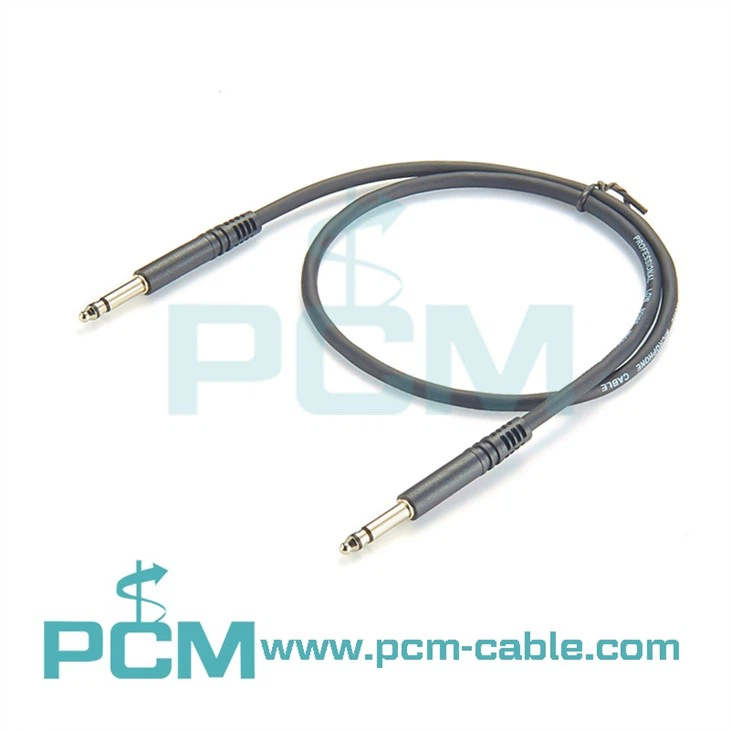
- Applications: They are commonly used for connecting microphones, headphones, and other low-level audio devices. For example, a Tiny Telephone Cable with a 22 AWG conductor can provide a reliable connection for small audio setups.
2. 18 AWG
- Description: 18 AWG cables are thicker than 22 AWG cables and offer lower resistance and better signal transmission over longer distances.
- Applications: They are commonly used for line-level audio connections, such as between mixers, amplifiers, and audio interfaces. A TT To TRS Studio Patch Cable with an 18 AWG conductor can ensure high-quality signal transfer in studio environments.
3. 16 AWG
- Description: 16 AWG cables are the thickest of the commonly used TT Patch Cable gauges and provide the lowest resistance and best signal quality over long distances.
- Applications: They are typically used for high-power audio applications, such as connecting power amplifiers to speakers. A TT To XLR Cable with a 16 AWG conductor can handle the high current requirements of power amplifiers and ensure reliable audio transmission.
Tips for Choosing the Right Gauge
- Consult the Manufacturer: If you're unsure which gauge of TT Patch Cable is suitable for your specific application, consult the manufacturer's recommendations or technical specifications. They can provide valuable insights based on the design and requirements of your equipment.
- Test and Evaluate: If possible, test different cable gauges in your audio setup to evaluate their performance. Compare the sound quality, signal strength, and overall performance of different cables to determine which one works best for your needs.
- Consider Future Expansion: When choosing cable gauge, consider any future expansion plans for your audio system. If you anticipate adding more equipment or extending the length of your cables in the future, it may be wise to choose a thicker gauge cable to accommodate these changes.
Conclusion
Choosing the right gauge of TT Patch Cables is essential for achieving optimal audio performance in your setup. By considering factors such as distance, signal type, and equipment requirements, you can select the appropriate gauge to ensure reliable signal transmission and high-quality sound.
As a TT Patch Cables supplier, I'm committed to providing high-quality cables that meet the needs of audio professionals and enthusiasts. If you have any questions or need assistance in choosing the right gauge of TT Patch Cables for your application, please don't hesitate to contact us. We're here to help you make the best decision for your audio setup.
References
- Audio Engineering Society (AES) Standards
- Manufacturer's Technical Specifications
- Industry Best Practices and Guidelines