

Hey there! As a supplier of IP67 cables, I often get asked if these cables can be used in marine applications. Well, let's dive right into it and find out.
First off, what does IP67 mean? The IP (Ingress Protection) rating system is used to define the degree of protection provided by an enclosure or device against the intrusion of solid objects and liquids. An IP67 rating means that the cable is completely protected against dust ingress (the "6" part) and can withstand immersion in water up to 1 meter for 30 minutes (the "7" part). This makes IP67 cables pretty tough and suitable for a variety of harsh environments, but how about the marine environment?
The Marine Environment: A Tough Challenge
The marine environment is one of the most challenging places for any equipment. It's full of saltwater, which is highly corrosive. Saltwater can cause metal components in cables to rust and corrode over time, leading to electrical failures. Additionally, the constant exposure to moisture, waves, and extreme weather conditions like storms and high winds can put a lot of stress on the cables.
But here's the good news: IP67 cables are designed to handle a certain level of moisture and dust. The waterproofing feature of IP67 cables helps to keep the internal conductors safe from water damage. The dustproof rating ensures that no dust or debris can get inside the cable and cause short - circuits or other electrical issues.
Advantages of Using IP67 Cables in Marine Applications
1. Waterproofing
As mentioned earlier, the IP67 rating means the cable can handle immersion in water. In a marine setting, this is crucial. Whether it's a boat, a dock, or an offshore platform, there's always a risk of water splashes, waves, or even full submersion. IP67 cables can withstand these conditions, ensuring that the electrical connections remain stable.
2. Dust and Debris Protection
In a marine environment, there can be a lot of dust, sand, and other debris. This can come from the shore, the wind, or even from the operation of equipment on the vessel. IP67 cables prevent this dust and debris from entering the cable, which helps to maintain the integrity of the electrical signals.
3. Durability
IP67 cables are generally more durable than regular cables. They are built with robust materials that can withstand the physical stress of the marine environment. For example, they can handle the vibrations caused by the engine of a boat or the movement of the waves.
Limitations and Considerations
1. Corrosion
While IP67 cables are waterproof, the metal parts of the cable can still be at risk of corrosion in saltwater. Over time, the salt can eat away at the metal conductors and connectors, leading to reduced performance and eventually failure. To combat this, some IP67 cables are made with corrosion - resistant materials such as stainless steel or coated with anti - corrosion substances.
2. Temperature and Pressure
The marine environment can have extreme temperature and pressure variations. For example, in deep - sea applications, the pressure can be extremely high, and the temperature can be very low. IP67 cables need to be able to handle these conditions. Some cables are specifically designed for high - pressure and low - temperature environments, but it's important to choose the right cable for the specific application.
3. UV Exposure
On the surface of the water, cables are exposed to a lot of UV radiation from the sun. UV rays can damage the outer jacket of the cable over time, making it brittle and more prone to cracking. Look for IP67 cables with UV - resistant jackets to ensure long - term performance.
Specific IP67 Cables for Marine Applications
If you're looking for IP67 cables for marine applications, we have some great options. For example, our USB 3.1 Waterproof C Extension Cable is perfect for connecting devices on a boat or a marine workstation. It provides a reliable and waterproof connection for data transfer.

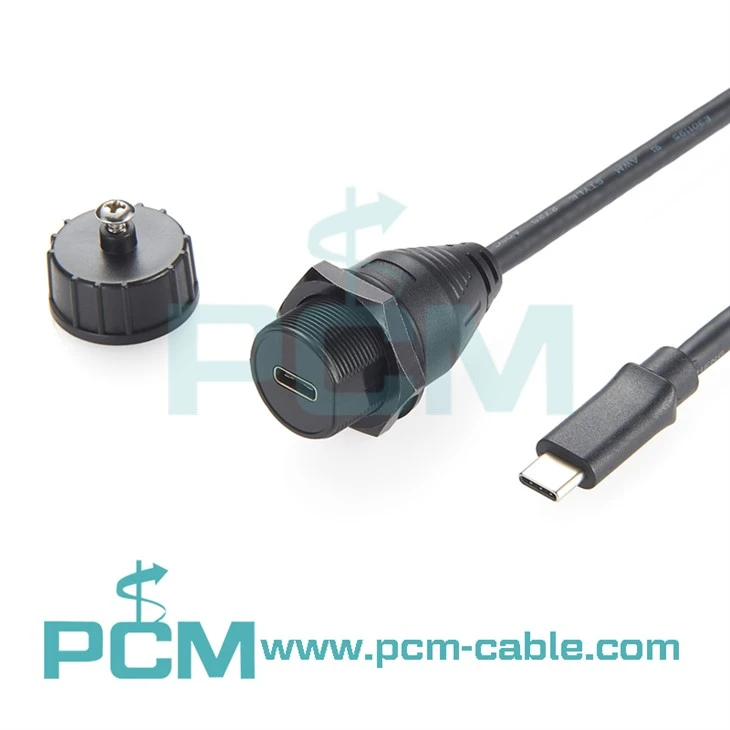
Our IP67 Waterproof Dustproof Shielded Ethernet Cable is another great choice. It can be used for networking on a vessel, ensuring a stable and secure connection even in wet and dusty conditions.
And if you need a specialized connector, our IP67 RJ45 Ethernet To Molex PCB Board Connector is a great option. It allows for easy and reliable connection between Ethernet devices and PCB boards in a marine environment.
Making the Right Choice
When choosing IP67 cables for marine applications, it's important to consider the specific requirements of your project. Think about the depth of water immersion, the level of saltwater exposure, the temperature range, and the type of electrical signals you need to transmit.
If you're not sure which cable is right for you, don't hesitate to reach out. We're here to help you make the best decision for your marine application. Whether you're a boat owner, a marine engineer, or an offshore operator, we have the expertise and the products to meet your needs.
Conclusion
In conclusion, IP67 cables can definitely be used in marine applications. They offer a high level of protection against water, dust, and other environmental factors. However, it's important to be aware of the limitations and choose the right cable for the specific conditions. With the right IP67 cable, you can ensure reliable and long - lasting electrical connections in the challenging marine environment.
If you're interested in purchasing IP67 cables for your marine project, we'd love to have a chat. We can provide you with more information about our products, help you choose the right cable, and discuss pricing and delivery options. So, don't wait any longer. Contact us today to start the conversation!
References
- International Electrotechnical Commission (IEC) standards for IP ratings.
- Various industry reports on cable performance in marine environments.


